

Mega Doctor News
By Terri Malloy / Mayo Clinic News Network
ROCHESTER, Minn. — A new Mayo Clinic study finds that many heart attacks in people under 65 — especially women — are caused by factors other than clogged arteries, challenging long-standing assumptions about how heart attacks occur in younger populations.
Study findings published in the Journal of the American College of Cardiology examined over 15 years of data from the Rochester Epidemiology Project, providing the most comprehensive population evaluation of heart attack causes in people aged 65 and younger.

More than half of heart attacks in women under age 65 were caused by nontraditional factors, such as spontaneous coronary artery dissection (SCAD), embolism and other conditions unrelated to artery-clogging plaque. Heart attack incidence was significantly lower in women than in men — but when women did have heart attacks, the underlying causes were often misdiagnosed.
SCAD, which typically affects younger, otherwise healthy women, was frequently missed and misclassified as a typical heart attack due to plaque buildup. The most common cause of heart attack in both sexes was atherosclerosis, or artery-clogging plaque, but this accounted for only 47% of heart attacks in women, compared to 75% in men. Five-year mortality rates were highest in people who had heart attacks triggered by stressors such as anemia or infection, even though these patients had lower heart injury levels.

“This research shines a spotlight on heart attack causes that have historically been under-recognized, particularly in women,” says Claire Raphael, M.B.B.S., Ph.D., an interventional cardiologist at Mayo Clinic and first author of the study. “When the root cause of a heart attack is misunderstood, it can lead to treatments that are less effective — or even harmful.”
This new understanding could save lives. A misdiagnosed SCAD, for example, may be treated with a stent unnecessarily, increasing the risk of complications. Recognizing and correctly diagnosing these nontraditional heart attacks allows for more appropriate care and better long-term outcomes.
Key findings from the study:
Out of 1,474 heart attacks, 68% were from typical plaque buildup (traditional heart disease), but nontraditional causes made up a majority of heart attacks in women.
SCAD was nearly 6 times more common in women than men.
Heart attacks caused by stressors such as anemia or an infection were the second-most common cause overall, and the deadliest, with a five-year mortality rate of 33%.
Truly unexplained heart attacks were rare, making up less than 3% of cases after expert review.
Overall, the study provides insights that could reshape how heart attacks are diagnosed and managed in younger adults.
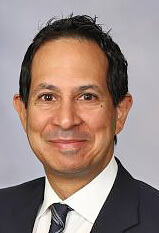
“Our research highlights the larger need to rethink how we approach heart attacks in this patient population, and for younger adult women, in particular. Clinicians must sharpen their awareness of conditions like SCAD, embolism and stress-related triggers, and patients should advocate for answers when something doesn’t feel right,” says Rajiv Gulati, M.D., Ph.D., chair of the Division of Interventional Cardiology and Ischemic Heart Disease at Mayo Clinic. Dr. Gulati is senior author of the study.
“Understanding why a heart attack happened is just as important as treating it,” says Dr. Raphael. “It can mean the difference between recovery and recurrence.”