








Mayo Clinic Minute: Can cold weather cause a cold?

Translate to Spanish or other 102 languages!

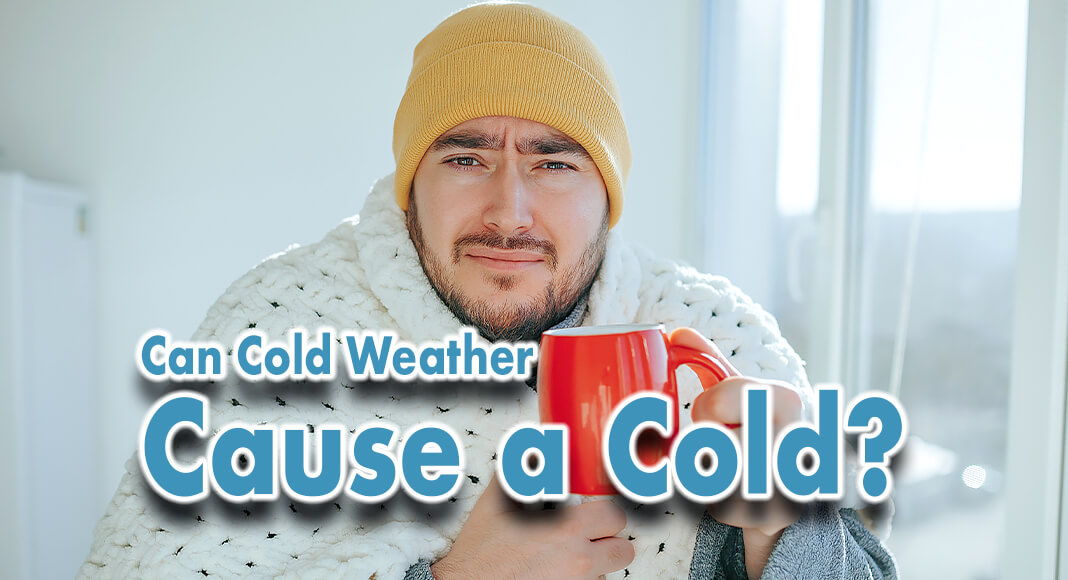
The bitter winter elements can be brutal on the body. But is there any truth that you can "catch a cold" if not properly dressed outside? Image for illustration purposes
The bitter winter elements can be brutal on the body. But is there any truth that you can “catch a cold” if not properly dressed outside? Image for illustration purposes
- Advertisement -

By Jason Howland / May Clinic News Network

The bitter winter elements can be brutal on the body. But is there any truth that you can “catch a cold” if not properly dressed outside?

Dr. Jesse Bracamonte, a Mayo Clinic family physician, explains why colds and other viruses are more common in the winter months.

- Advertisement -

Watch: The Mayo Clinic Minute

Video Courtesy of “Mayo Clinic News Network.” Read the script.

When your parents told you to put on a coat before you go outside or you’ll catch cold, there’s a small kernel of truth to that.

“If you’re a little bit colder outside, your body’s immune system may just drop a little bit because it’s spending extra effort to keep you warm. That’s not with everybody, but, in some cases, it may predispose you to a cold,” says Dr. Bracamonte.

But, he says, the cold weather itself doesn’t cause the common cold. However, as winter temps dip down, the chances of spreading a respiratory virus go up because more time is spent indoors with others.

- Advertisement -

“When it’s cold outside, typically people gather around the fireplace or around your home. Therefore, if people are sick, you’re more likely to be in close proximity to someone who is ill, thus catch the cold,” says Dr. Bracamonte.

He says if you do catch a cold or one of the common viruses that cause the common cold, it’s important to remember that it’s a virus in most cases not a bacterial infection, so antibiotics usually don’t help. Staying hydrated, getting plenty of rest and eating healthy are all important.

“In most cases, for most healthy people, we call it supportive management: time, rest, chicken soup and just staying away from others is usually the best medicine,” he says.


- Advertisement -
- Advertisement -

- Advertisement -

More Articles

New $2.5 Million Funding Boosts Stroke Care Access

Governor Greg Abbott announced $2.5 million in grant funding for hospitals to increase access to lifesaving stroke care through mobile stroke units.

DHR Health Encourages Community to Recognize the Signs of Stroke

The DHR Health Neuroscience Institute is urging the community to learn vital stroke prevention and response strategies. According to the Centers for Disease Control and Prevention (CDC), stroke remains a leading cause of death and disability worldwide.

TMA’s Prescription for Texas Lawmakers

To curb rising health care costs, physicians say Texas must reduce administrative waste, preserve meaningful coverage, and scrutinize market structures that reward consolidation and higher-cost settings.

How Dreaming Under Anesthesia Helps Ease Surgery Anxiety

A new study suggests anesthesiologists may be able to safely increase the likelihood that patients dream during surgery — and that those dreams are typically positive, calming and associated with a better overall surgical experience.
- Advertisement -
