








Many Adults Concerned about Brain Health but Not Seeking Help, Survey Finds 

A new survey from Cleveland Clinic and Parade shows many Americans are concerned about their brain health. However, they aren't always talking to their doctor about it.

Translate to Spanish or other 102 languages!

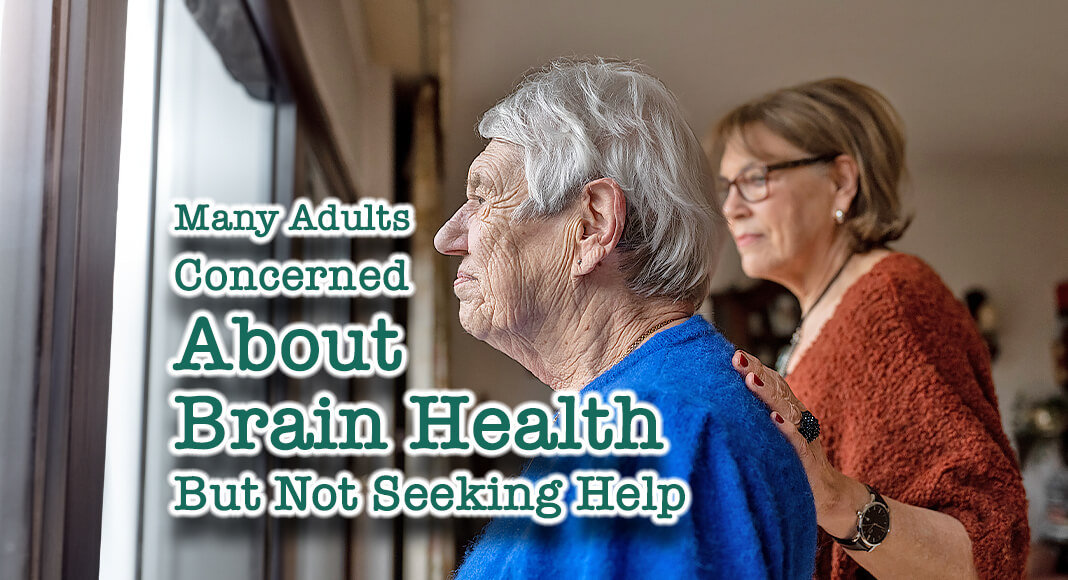
A new Cleveland Clinic and Parade survey found 85% of adults polled have thought about their risk for developing a brain disease, like Alzheimer’s or dementia. Image for illustration purposes
- Advertisement -

CLEVELAND CLINIC – A new Cleveland Clinic and Parade survey found 85% of adults polled have thought about their risk for developing a brain disease, like Alzheimer’s or dementia.

“I think that most adults these days have thought about their brain health for a number of reasons. One of those is just that we hear more about brain health in the media,” said Jessica Caldwell, PhD, neuropsychologist for Cleveland Clinic.

Many of those same individuals are taking steps to help with prevention.

- Advertisement -

However, the survey revealed they’re not as proactive when it comes to addressing any actual memory or brain issues.

36% of adults under the age of 50 agree they’re too afraid to talk to a doctor.

“There are many treatable reasons why you might have an attention problem or a memory problem when you’re young, and there’s no reason not to go and have an evaluation with your doctor so that if it’s something that’s easily reversible then you can get it addressed,” said Dr. Caldwell.

Interestingly, the survey also shows there are some misconceptions about Alzheimer’s and dementia.

- Advertisement -

For example, 44% of adults age 18 to 34 agree that you are guaranteed to get Alzheimer’s if a relative has it too.

But that’s incorrect, Alzheimer’s is not always inherited.

In addition, men and women polled both assumed the other gender was more at risk for Alzheimer’s.

“The true case is that more women than men are diagnosed with Alzheimer’s disease currently. And in order to get that awareness out, I think we need to talk about it,” said Dr. Caldwell. “These are important conversations that we need to have in many different ways.”


- Advertisement -
- Advertisement -

- Advertisement -

More Articles

Check Your Car Seat: Nearly 1 in 2 Are Installed Incorrectly

Mega Doctor News AUSTIN – Is your child’s car seat secure? For many...

Multicancer Blood Test Detects 17 Cancer Types in Large Prospective Study

A large prospective study published in Nature Medicine found that a blood test designed to detect multiple cancers identified cancer signals across 17 broad cancer types, such as ovarian, lung, breast and colorectal cancers, and many which do not have recommended screening tests.

STHS Think Pink Campaign Aims to Help RGV Women Detect Breast Cancer Early

Every year, thousands of women receive a breast cancer diagnosis. As breast cancer rates continue to climb across the United States, health experts are urging women not to delay routine screenings that could save their lives

Mental Strength Helps Workers Handle Rising Stress

Workers in the U.S. are feeling the strain of stress and economic uncertainty, and nearly two in five U.S. workers (37%) believe their work environment has a negative impact on their mental health—a significant increase since last year, when a third of workers (32%) felt the same, according to the American Psychological Association’s 2026 Work in AmericaTM survey.
- Advertisement -
