Mega Doctor News

HARLINGEN & BROWNSVILLE – Because of the stigmas still associated with mental health, suicide remains a topic that can be difficult to discuss even today as September serves as National Suicide Prevention Month.
Such discussions regarding mental health are critical when it comes to recognizing and understanding the warning signs that someone might be considering suicide, said Becky Tresnicky, MSW, LCSW, and Director of Behavioral Health Services and Performance Excellence at Valley Baptist-Brownsville.
“Suicide awareness is incredibly important because we can all prevent suicide,” she said. “Understanding the issues regarding suicide and mental health is an important step in helping ourselves, helping others, and positively reframing the conversation around suicide.”

According to the American Foundation for Suicide Prevention, suicide is the 10th leading cause of death in the United States. In 2019 alone, 47,511 Americans died by suicide and there were an estimated 1.38 million suicide attempts. Such figures make efforts to raise awareness during National Suicide Prevention Month critical to keeping loved ones safe, said Tresnicky, especially as the ongoing COVID-19 pandemic continues to have far-lasting impacts on maintaining good mental health. Throughout the COVID-19 pandemic, studies have shown amplified risk factors associated with suicide, such as job or economic loss, trauma or abuse, mental health disorders, and barriers to accessing health care, she said.
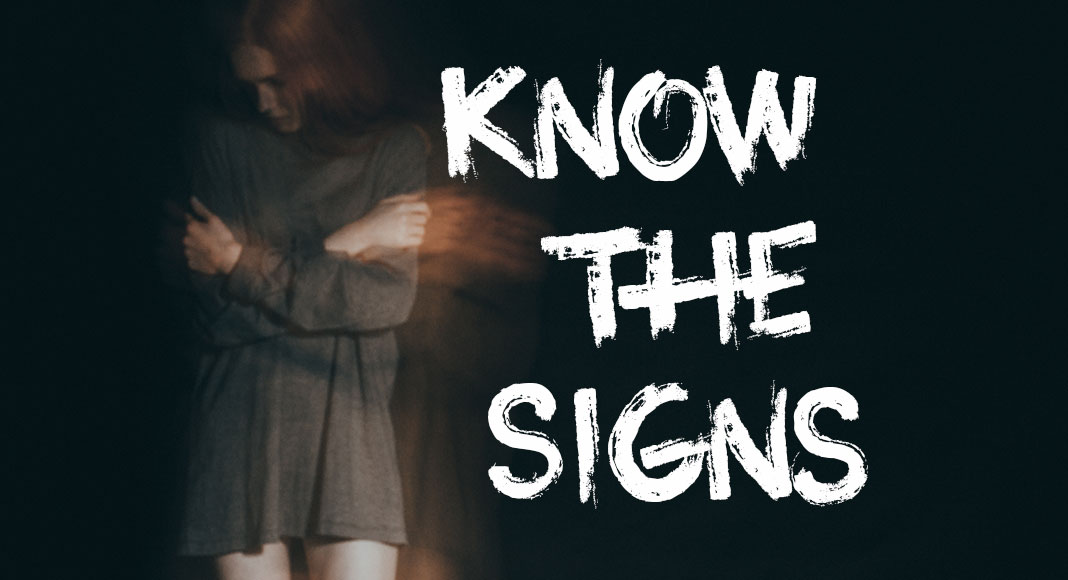
While there is no one set of signs that someone might be considering hurting themselves, Tresnicky said that at-risk individuals often display certain characteristics or risk factors.
“Some of the risk factors include but are not limited to a current or historical mental health diagnosis, alcohol and/or substance use disorders, feelings of hopelessness, history of trauma or abuse, access to lethal means, lack of social support, stressful life events (such as divorce, bullying, financial crisis, or psychosocial loss), exposure to another person’s suicide, and perceived stigma associated with mental health crisis,” she said.
Anthony Manuel, MSN, RN, and Director of Valley Baptist Medical Center-Harlingen’s Geriatric Behavioral Health Unit, said that the community can play an important role in preventing suicide by simply being aware of those around us and caring for their well-being.
“It is important to pay attention to what people say, how they act, and how they feel, especially now under the prolonged and extreme stress of the COVID-19 pandemic. A person considering suicide might talk about killing themselves, being a burden to others, or feeling hopeless,” he said. “Their behaviors might also signal a risk, especially if it is related to a painful event, loss, or change that results in suicide planning, isolation from family and friends, giving away prized possessions, new or increased aggression, and fatigue. Warning signs in someone considering suicide may also include a person exhibiting depression, anxiety, shame, or a sudden onset of relief or improvement in mood.”
Above all, Manuel said that those who are considering suicide should not be ashamed to seek help.
“Whether you, or someone you know, might have mental health concerns or suicidal ideations, be open and don’t be afraid to speak to someone,” he said. “We all have mental health just as we have physical health, and help is available.” While the ongoing COVID-19 pandemic has temporarily paused physical support group gatherings, Valley Baptist Health System’s Pastoral Services Department continues to offer support for those in need by providing information regarding available local resources. For more information on local suicide prevention and support resources, call (956) 389-1194.