
Mega Doctor News

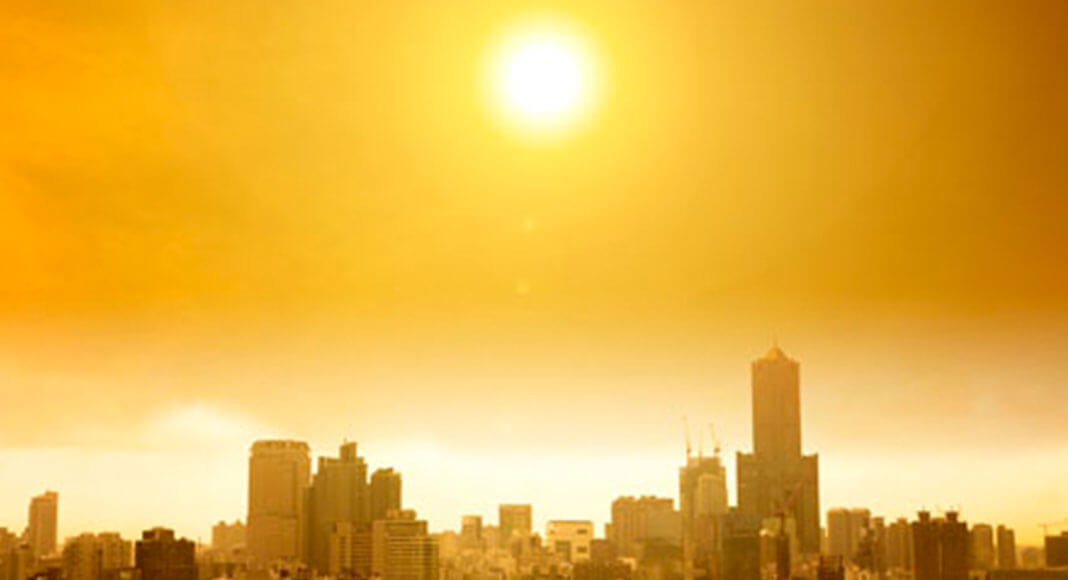
High temperatures kill hundreds of people every year. Heat-related deaths and illness are preventable, yet more than 700 people die from extreme heat every year in the United States.
Take measures to stay cool, remain hydrated, and keep informed. Getting too hot can make you sick. You can become ill from the heat if your body can’t compensate for it and properly cool you off. The main things affecting your body’s ability to cool itself during extremely hot weather are:
- High humidity. When the humidity is high, sweat won’t evaporate as quickly. This keeps your body from releasing heat as fast as it may need to.
- Personal factors. Age, obesity, fever, dehydration, heart disease, mental illness, poor circulation, sunburn, and prescription drug and alcohol use all can play a role in whether a person can cool off enough in very hot weather.
Those who are at highest risk include people 65 and older, children younger than two, and people with chronic diseases or mental illness.

for heat-related illnesses.
Closely monitor people who depend on you for their care and ask these questions: Are they drinking enough water?
Do they have access to air conditioning?
Do they need help keeping cool?
People at greatest risk for heat-related illness can take the following protective actions to prevent illness or death:
Even young and healthy people can get sick from the heat if they participate in strenuous physical activities during hot weather:
- Limit your outdoor activity, especially midday when the sun is hottest.
- Wear and reapply sunscreen as indicated on the package.
- Pace your activity. Start activities slow and pick up the pace gradually.
- Drink more water than usual and don’t wait until you’re thirsty to drink more. Muscle cramping may be an early sign of heat-related illness.
- Wear loose, lightweight, light-colored clothing.
If you play a sport that practices during hot weather, protect yourself and look out for your teammates:
- If you are wearing a cloth face covering and feel yourself overheating or having trouble breathing, put at least 6 feet of distance between yourself and others and remove the face covering.
- Schedule workouts and practices earlier or later in the day when the temperature is cooler.
- Monitor a teammate’s condition, and have someone do the same for you.
- Seek medical care right away if you or a teammate has symptoms of heat-related illness.
- Learn more about how to protect young athletes from heat-related illness by taking this • CDC course.
Everyone should take these steps to prevent heat-related illnesses, injuries, and death during hot weather:
- Stay in an air-conditioned indoor location as much as you can.
- Drink plenty of fluids even if you don’t feel thirsty.
- Schedule outdoor activities carefully.
- Wear loose, lightweight, light-colored clothing and sunscreen.
- Pace yourself.
- Take cool showers or baths to cool down.
- Check on a friend or neighbor and have someone do the same for you.
- Never leave children or pets in cars.
- Check the local news for health and safety updates.