







Mega Doctor News

by University of Washington School of Medicine
Newswise — Most children diagnosed with attention deficit hyperactive disorder (ADHD) don’t outgrow the disorder, as widely thought. It manifests itself in adulthood in different ways and waxes and wanes over a lifetime, according to a study published Aug.13 in the American Journal of Psychiatry.
“It’s important for people diagnosed with ADHD to understand that it’s normal to have times in your life where things maybe more unmanageable and other times when things feel more under control,” said lead researcher Margaret Sibley, associate professor of psychiatry and behavioral sciences at the University of Washington School of Medicine and a researcher at Seattle Children’s Research Institute.

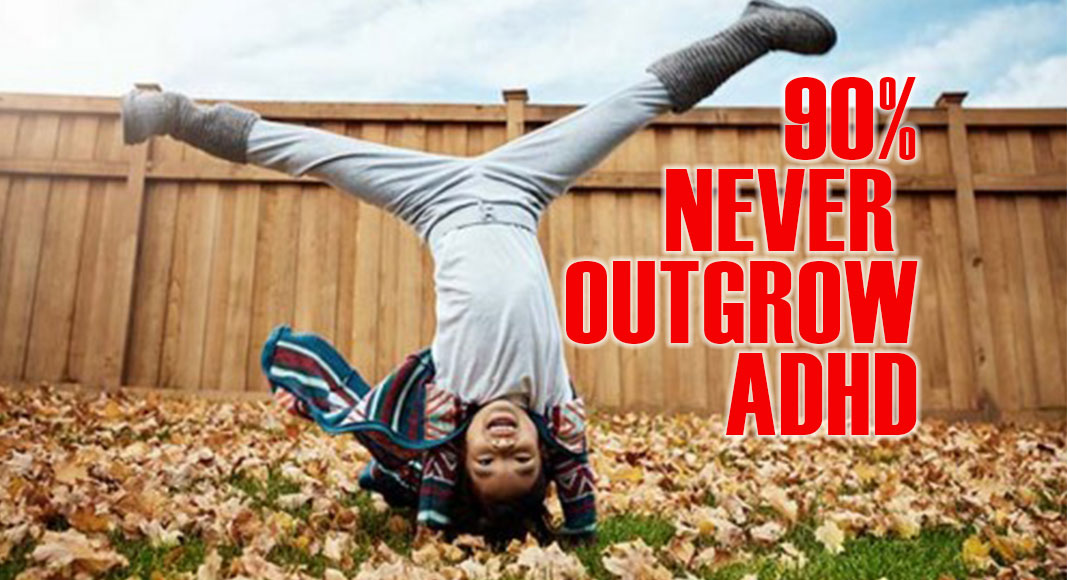
Study authors from 16 institutions in the United States, Canada, and Brazil said decades of research characterize ADHD as a neurobiological disorder typically first detected in childhood that persists into adulthood in approximately 50% of cases. But this study found just 10% of children completely outgrow it.
“Although intermittent periods of remission can be expected in most cases, 90% of children with ADHD in the Multimodal Treatment Study of ADHD continued to experience residual symptoms into young adulthood,” they wrote.
ADHD is characterized by two main cluster of symptoms, according to researchers. The inattentive symptoms look like disorganization, forgetfulness, and having trouble staying on task. Then there are also the hyperactive, impulsive symptoms. In children, those symptoms look like having a lot of energy, such as running around and climbing on things. In adults, it manifests more as verbal impulsivity, difficulty with decision-making, and not thinking before acting. The disorder affects people differently and looks different depending on what phase of life someone’s in.
Some people with ADHD also report a unique ability to hyper-focus. Olympic athletes Michael Phelps and Simone Biles have been open about their ADHD diagnosis.
While many people may experience symptoms similar to ADHD, it is estimated the disorder roughly affects 5% to 10% of the population, said Sibley.
16 years of research
This study followed a group of 558 children with ADHD for 16 years – from 8-years old to 25 years-old. The cohort had eight assessments, every two years, to determine whether they had symptoms of ADHD. The researchers also asked their family members and teachers about their symptoms.
Sibley said the belief that 50% of children outgrow ADHD was first put forward in the mid-1990s. Most studies, she said, only re-connected with the kids one time in adulthood. So, researchers didn’t get to see that the ADHD that they thought had gone away actually does come back.
Coping with ADHD
Researchers have yet to find what causes ADHD to flare. Sibley said it could be stress, the wrong environment, and not having a healthy lifestyle of proper sleep, healthy eating, and regular exercise. Also, if a person is not taking the time to manage symptoms and really understand what works best for them, then the symptoms are probably going to get more out of control, she said.
Medication and therapy are the two main treatment for ADHD. But, Sibley said, people can pursue their own healthy coping skills as well.
Researchers found that most people who technically no longer meet criteria for ADHD in adulthood still have some traces of ADHD, but they were managing well on their own.
“The key is finding a job or a life passion that ADHD does not interfere with,” Sibley said. “You are going to see a lot of creative people have ADHD because they’re able to be successful in their creative endeavors despite having ADHD, whereas people who might be required to do very detail-oriented work at a computer all day – that could be a really hard combination for a person with ADHD. “Sibley said the time to seek professional help is when the symptoms are causing a problem in your life. This includes not performing your best, problems with other people, having a hard time getting along, difficulty maintaining healthy, long-term relationships with loved ones and friends, and inability to complete basic daily tasks – whether that’s parenting, staying on top of your finances, or just keeping an organized household.


