Mega Doctor News
By Deb Balzer / Mayo Clinic News Network
Cervical cancer is almost always caused by persistent high-risk HPV, particularly HPV 16 and HPV 18, which account for about 70% of cases.
Dr. Kathy MacLaughlin, a Mayo Clinic family physician specializing in cervical cancer prevention, says screening for HPV is important, but there are barriers for some patients to screening tests that require a speculum exam — and that leads to lower screening rates in those populations.

A new option will be offered soon to help with these healthcare disparities. Mayo Clinic is one of a few medical organizations in the U.S. that will provide eligible patients with the option of an FDA-approved self-collection HPV test. The alternative screening is expected to become available at Mayo Clinic practices in the Midwest beginning February 5 and then expand to Mayo Clinic in Arizona and Mayo Clinic in Florida.
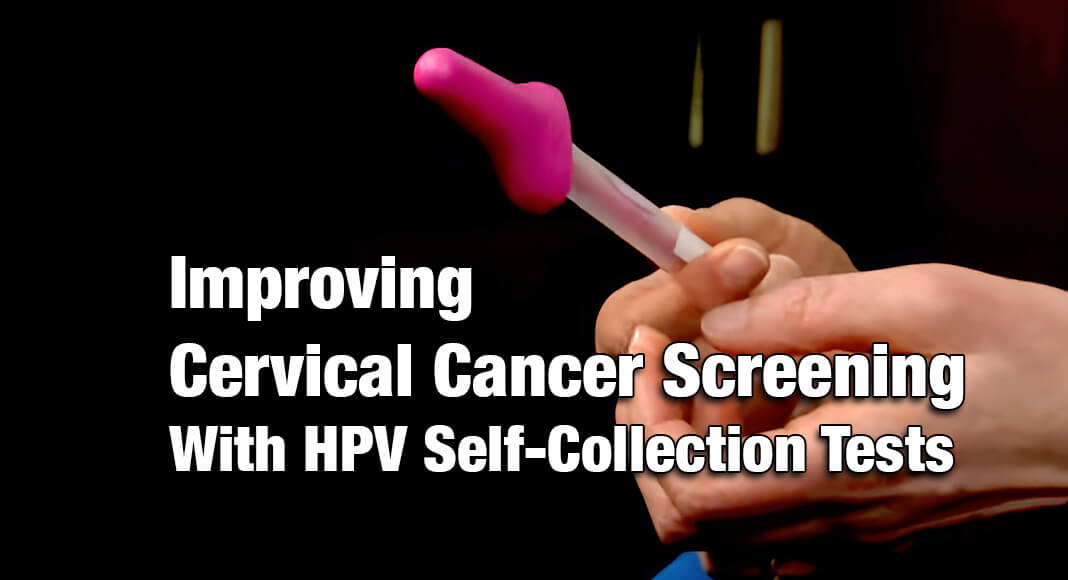
Watch: Improving cervical cancer screening with HPV self-collection tests
Traditional cancer screening involves a clinician-collected cervical sample for a Pap and/or HPV test. A new option will hopefully get more people screened.
“We’re calling it the HPV self-collection test. The difference is that instead of your clinician putting in a speculum and doing a swab of the cervix, the patient would use a self-collection device to get a vaginal sample to test for HPV,” says Dr. MacLaughlin.
She says the test is quick and painless. It’s aimed at people facing barriers to having a speculum exam. For example, those with disabilities, mobility issues, cultural or religious reasons, or a history of trauma. The test is done privately in a healthcare setting, such as an exam room.
How the self-collection test works
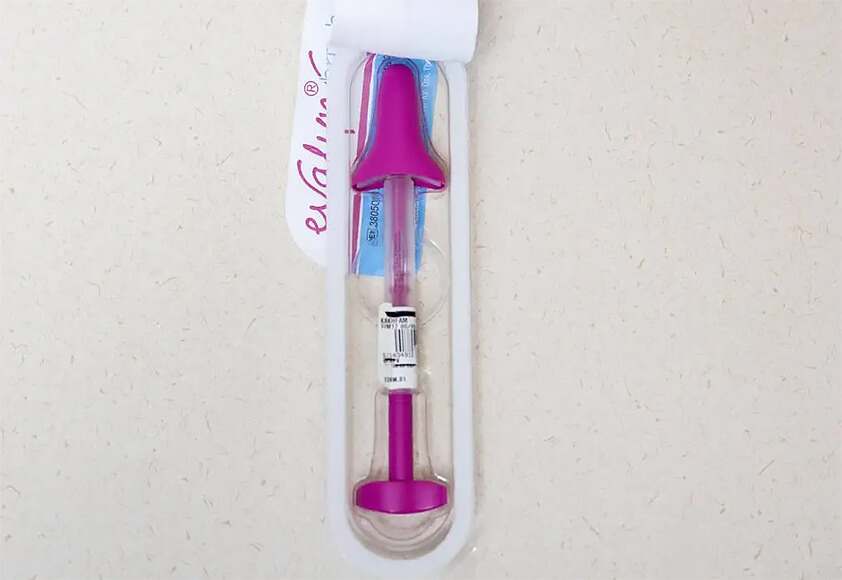
“The device is inserted, just like a tampon into the vagina, and the little plastic wings on the side of the device control the insertion depth, so people don’t have to worry about pushing it in too far. And then they would take the plunger and push that in, and that extends the sampling brush. This is a very soft, dry bristle brush. And then the handle needs to be rotated five times, and it clicks. You can hear the click. You can feel the clicks, so you know you’ve done enough turns. Once that has been done, the patient would remove the entire device and just retract the brush and cap it, and this will get sent to the lab for the testing,” Dr. MacLaughlin explains.
Talk with your healthcare team to determine which test is best for you. The most important thing is to get screened.
“The beauty of screening is that we’re catching things before it is cancer, when it’s still treatable as a precancer,” she says.
Dr. MacLaughlin says that, for now, the self-collection screening must be done in a healthcare setting and is not for at-home use. However, this is anticipated to change in upcoming years, and eventually, home-based self-collection should be approved.
Information source: Mayo Clinic News Network