
Mega Doctor News

What to Know
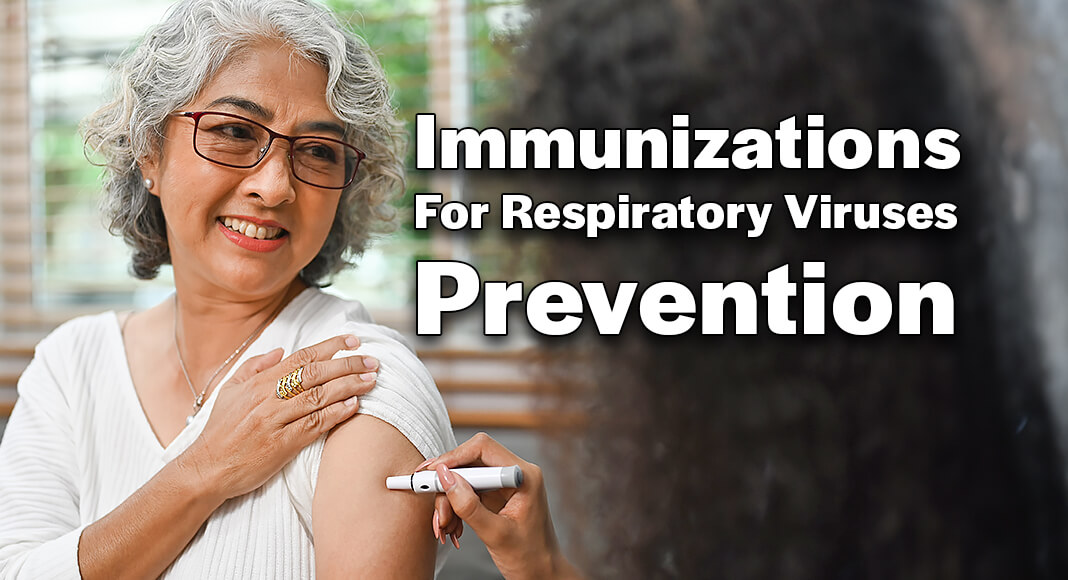
- Immunizations are a core prevention strategy to lower risk from respiratory viruses.
- Core prevention strategies are important steps you can take to protect yourself and others from respiratory viruses.
- For most people that means getting a current flu and COVID-19 vaccine.
- Everyone ages 75 and older should get a respiratory syncytial virus (RSV) vaccine.
- CDC also recommends adults ages 60-74 who are at increased risk of severe RSV disease get an RSV vaccine.
- To prevent severe RSV disease in infants, CDC recommends either the pregnant mother gets an RSV vaccine, or the infant gets an immunization with an RSV monoclonal antibody. Most infants will not need both.
Immunizations help prepare your body to defend itself from viruses and severe illness. Some immunizations teach your immune system what the virus looks like so it can prepare to protect against it. Other immunizations directly provide you with antibodies to protect you from the virus. Getting vaccinated can reduce your chances of getting infected to some degree, but its main strength is preventing severe illness and death. More and more evidence suggests that the COVID-19 vaccine can also lower your chances of developing Long COVID.

STEPS YOU CAN TAKE
Individuals can
- Talk with a healthcare provider to make sure you are up to date on vaccines.
- Review the vaccine schedule to become familiar with the immunizations recommended for you and when you should get them.
- Visit www.vaccines.gov to locate pharmacies with vaccines near you.
- Learn more about how vaccine recommendations are made.
- Talk to your friends and family about the benefits of getting vaccinated.
Organizations can
- Organize vaccination clinics at workplaces. This helps remove obstacles to accessing vaccines.
- Partner with trusted community members (such as doctors, nurses, health educators, or faith-based and community leaders) and have them attend vaccination events to share accurate information about vaccines.
- Provide employees with paid time off to get vaccinated and recover from any side effects.
All of the prevention strategies described in this guidance can be helpful to reduce risk. They are especially helpful when:
- Respiratory viruses are causing a lot of illness in your community.
- You or the people around you were recently exposed to a respiratory virus, are sick, or are recovering.
- You or the people around you have risk factors for severe illness.
Notice
CDC offers separate, specific guidance for healthcare settings (COVID-19, flu, and general infection prevention and control). Federal civil rights laws may require reasonable modifications or reasonable accommodations in various circumstances. Nothing in this guidance is intended to detract from or supersede those laws.