








How to Recognize, Prevent, and Treat Heat Illness in Kids

Translate to Spanish or other 102 languages!

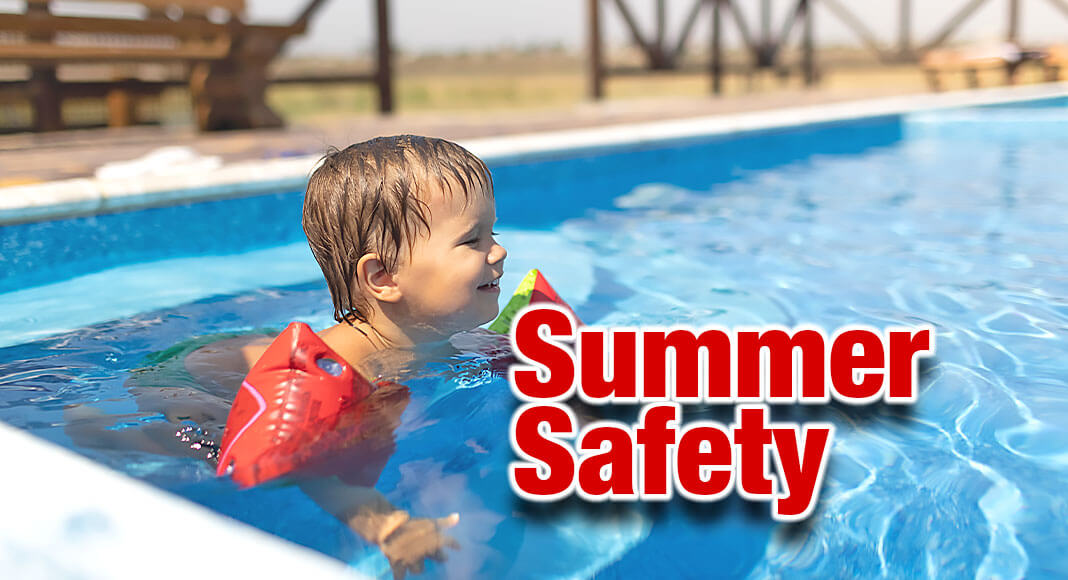
 Fun in the sun can lead to heat illness and dehydration quickly for a child. Image for illustration purposes
Fun in the sun can lead to heat illness and dehydration quickly for a child. Image for illustration purposes

Mega Doctor News

- Advertisement -

CLEVELAND CLINIC – Fun in the sun can lead to heat illness and dehydration quickly for a child.

Richard So, MD, pediatrician for Cleveland Clinic Children’s, said you can help beat the heat by hydrating the night before.

“If you start your tank at halfway, as the day goes on, you’re going to come down. I want you to drink a bottle of water before you go to bed and another one before you start in the morning, so you start your day at a full tank,” said Dr. So. “Then as you play, and you get dehydrated, you can actually just stay up in higher levels.”

- Advertisement -

High temperatures and humidity can cause heat illness. Humidity can drain important body fluids children need to stay hydrated.

If your child appears tired, cranky, or fatigued while outside playing, they may be suffering symptoms of dehydration.

On a hot day, an overly ornery child may need to take a break, get in the shade and drink some water.

Dr. So said water is always best for battling dehydration in kids, but sports drinks or even an ice cream cone can help cool them done from inside out.

- Advertisement -

If your child is experiencing heat cramps, they’ll need electrolytes and salt, like potato chips or pickle juice, in addition to water.

A real red flag is exhaustion and vomiting. These are dangerous signs of possible heat stroke and could mean a child is fluid deficient and their body temperature is too hot.

“When you see a kid that’s in the heat and they’re vomiting, that’s a tell-tale sign that that kid is in trouble, where, number one, the first thing you need to do is cool that kid down,” Dr. So advised.

Dr. So said ice, a garden hose or a pool are good ways to quickly cool a child’s body temperature. However, if your child is having changes in consciousness, seek medical attention immediately.


- Advertisement -
- Advertisement -

- Advertisement -

More Articles

STHS Dedicating Latest “South Texas Healthy Living” Episode to Arthritis Education, July 26th

More than 58 million U.S. adults are living with doctor-diagnosed arthritis, according to the Centers for Disease Control and Prevention (CDC), making it the nation’s leading cause of disability.

No More Needles: FDA Approves First Daily Pill to Replace Injectable Cholesterol Drugs

The U.S. Food and Drug Administration approved Lipfendra (enlicitide), the first oral inhibitor of proprotein convertase subtilisin/kexin type 9 (PCSK9), as an adjunct to diet and exercise to reduce low-density lipoprotein cholesterol (LDL-C), or “bad” cholesterol, in adults with hypercholesterolemia, including those with heterozygous familial hypercholesterolemia (HeFH). Image source: Merck.com.

STHS Heart Ranks Among Nation’s Top Hospitals for Heart Attack Care

Every year, more than 800,000 people in the United States suffer a heart attack, according to the Centers for Disease Control and Prevention, an event that occurs approximately every 40 seconds.

DHR Health Burn Surgeon Urges Public to Avoid Preventable Risks

Many of the most serious burn and trauma injuries can be prevented by avoiding unnecessary risks, according to Dr. R. Dewayne Edwards, chief burn surgeon, surgical critical care and trauma surgeon at DHR Health, who said public awareness and timely medical care remain essential to improving patient outcomes.
- Advertisement -
