








Mega Doctor News
CLEVELAND CLINIC – It’s cold and flu season, and most of us will encounter a virus at some point.
So, how does our immune system work to keep us healthy?
According to Michaela Gack, PhD, Scientific Director of the Cleveland Clinic Florida Research and Innovation Center, once we fight off a virus, our immune system does its best to protect us from a second infection.

“Whenever we have a second infection, these antibodies can be produced and thereby protect us but there are some limitations,” said Dr. Gack. “It only works if it’s the same virus or very similar virus.”
Dr. Gack studies the immune system and said some viruses rarely mutate, which means we have long-term protection after an initial infection.
For example, if you’ve had chickenpox or have been vaccinated for it, your immune system will remember for decades and protect you from becoming sick.
However, there are also viruses that mutate rapidly, like flu and COVID-19, making it difficult for your immune system to recognize the virus due to the mutations.
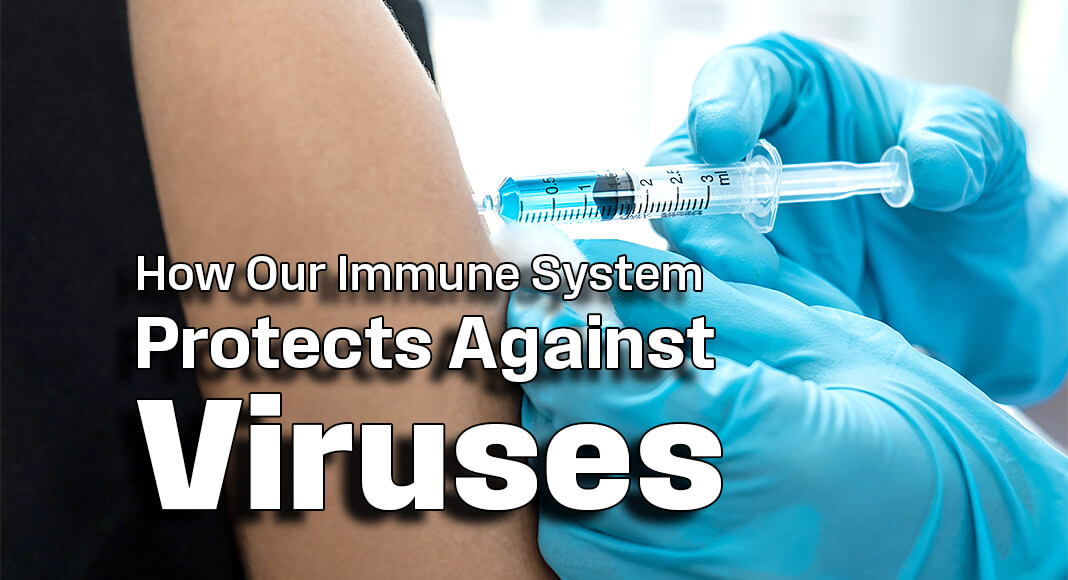
That’s why it’s important to get a flu and COVID-19 vaccine every year.
If the vaccine is similar to the virus that’s circulating, your immune system recognizes it and offers some protection, resulting in milder illness.
And the healthier you are, the better your immune system will function, in general.
“Staying healthy and in terms of nutrients and vitamins, that can help to maybe make infections milder. But at the same time, I also say there is a limit. If someone has not been vaccinated and has, for example, a flu infection,” Dr. Gack noted.
She reminds us that even healthy people can catch a virus like the flu or COVID-19 and become seriously ill, so it’s important to do what you can to protect yourself and get vaccinated.


