







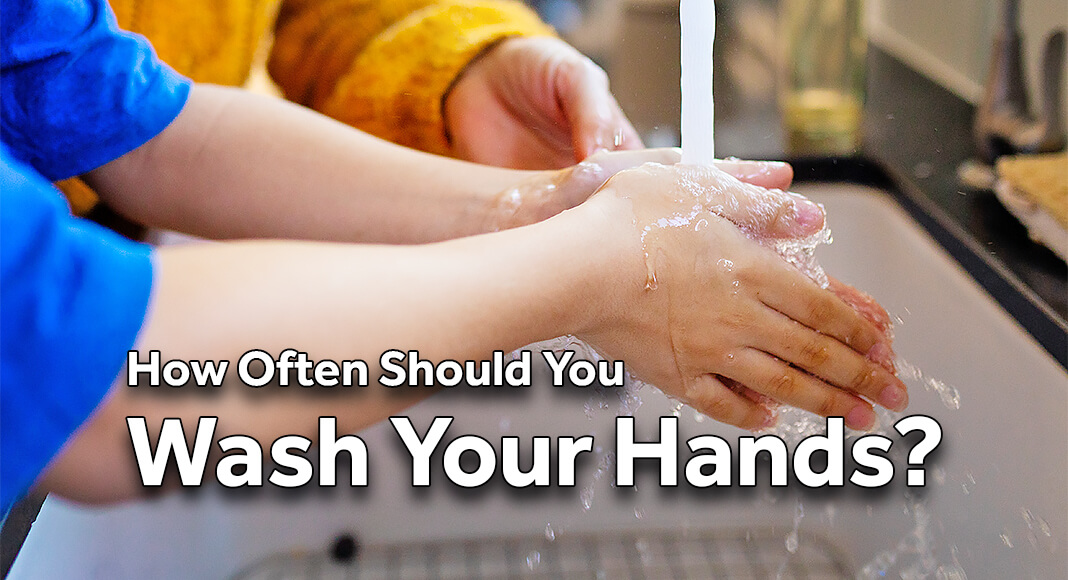

How Often Should You Wash your Hands?

Translate to Spanish or other 102 languages!

Besides regularly washing your hands, she also suggests keeping high touch areas in your home clean, and getting vaccinated for the flu, COVID-19 and RSV, if eligible. Image for illustration purposes
- Advertisement -

CLEVELAND CLINIC – October 15 is Global Handwashing Day, which is held every year to raise awareness about the importance of washing your hands.

“It’s so important to regularly wash your hands because handwashing reduces the spread of germs and germs in turn can make us sick,” said Neha Vyas, MD, family medicine physician for Cleveland Clinic. “Given that we are coming into the cold and flu season, it’s especially important to recognize the value of hand washing.”

Dr. Vyas said there’s no set rule for how many times a day a person should wash their hands, it really depends on what they’re doing.

- Advertisement -

However, it’s recommended to wash your hands before and after eating, after using the bathroom, or changing a diaper, and after blowing your nose, coughing or sneezing.

It’s also a good idea to wash up if you’ve touched garbage or been out in public.

And while it may seem like common sense, Dr. Vyas said you should wash your hands for at least 20 seconds.

It’s okay to use either cold or hot water.

- Advertisement -

Then after you’re done, be sure to dry them with a clean towel.

She notes it’s easier to transmit germs with wet hands.

“If you’re one of those whose skin gets really dry, it’s really important that after you wash and dry your hands, you apply a lotion or a cream or an ointment,” said Dr. Vyas. “That recreates the skin surface so that you don’t have the little micro abrasions or the micro cuts, which could potentially introduce more bacteria in your skin.”

Besides regularly washing your hands, she also suggests keeping high touch areas in your home clean, and getting vaccinated for the flu, COVID-19 and RSV, if eligible.


- Advertisement -
- Advertisement -

- Advertisement -

More Articles

New Noninvasive Tech Tracks Infant Vital Signs Without Wires

In the neonatal intensive care unit, the most fragile patients in medicine are often the most heavily wired. Premature babies, some weighing less than a pound, can be tethered to a tangle of cables, monitors, and sensors. Each blood draw to check sugar levels or electrolytes means another needle, another bandage, another moment of stress for an infant whose skin is still forming.

The Truth About Hot Dogs and Your Health

July is National Hot Dog Month. Reports show Americans eat roughly 20 billion hot dogs every year. While they’re okay to have on occasion, they shouldn’t be a regular part of your diet.

Study Links Type 2 Diabetes to Higher Risk of Hearing Loss

Diabetes is well known to increase the risk of complications throughout the body, potentially affecting the eyes, kidneys, and nerves. 

Researchers Unlock New Way to Help Fight Skin Cancer

Researchers at the UNC School of Medicine and UNC Lineberger Comprehensive Cancer Center have identified a potential solution. In a new study published in the Journal of Clinical Investigation, researchers have found that by inhibiting a problematic protein, the immune system can better fight off melanoma, decreasing tumor growth and bolstering the body’s immune cells.
- Advertisement -
