







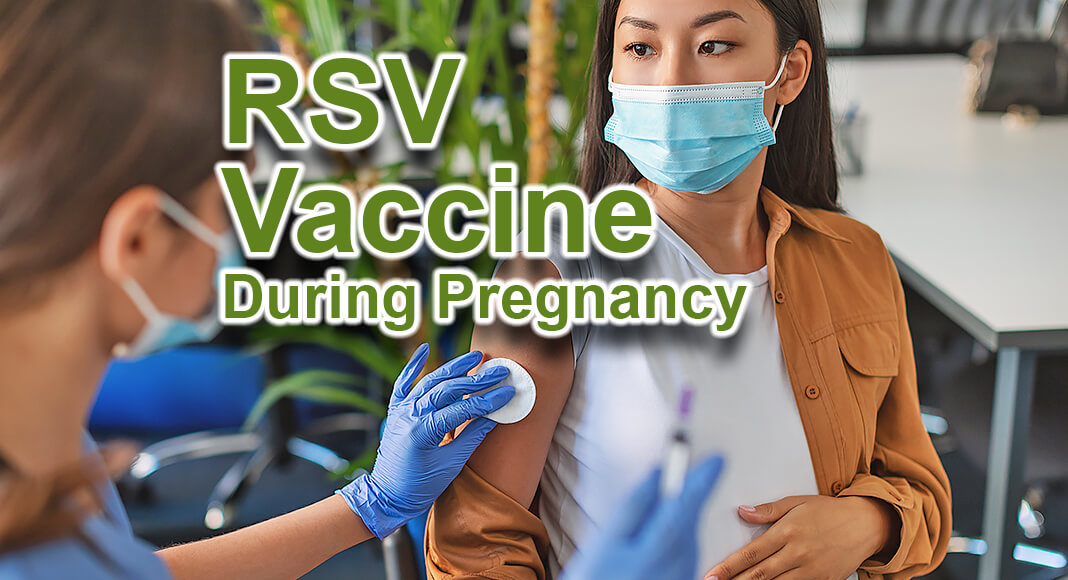
How effective is the RSV vaccine during pregnancy and how does it work?

Translate to Spanish or other 102 languages!

How safe and effective is the RSV vaccine during pregnancy? Image for illustration purposes
- Advertisement -
  • RSV is a respiratory virus affecting about 64 million people around the world each year. 
  • While RSV symptoms may only feel like a common cold to adults and older children, it can be much more serious in older adults, babies, and young children. 
  • About 1.4 million children ages 0 to 6 months are hospitalized from RSV each year.
  • The CDC and American College of Obstetricians and Gynecologists both recommend pregnant people receive an RSV vaccine to help immunize their babies from the disease before they are born. 

Respiratory syncytial virus (RSV) is a respiratory virus causing infection in the lungs, nose, and throat.

Follow the link below to Medical News Today to read the full Story: 

https://www.medicalnewstoday.com/articles/how-safe-effective-is-rsv-vaccine-during-pregnancy

- Advertisement -

Information Source: https://www.medicalnewstoday.com

- Advertisement -

- Advertisement -

- Advertisement -

More Articles

USDA “Real Food First” Rule Doubles Stocking Requirements for SNAP Retailers

The U.S. Department of Agriculture (USDA) published the final rule regarding stocking standards for retailers participating in the Supplemental Nutrition Assistance Program (SNAP), ensuring a broader variety of nutritious food is available to SNAP participants at authorized retailers across the country.

Why Older Adults are Choosing Edibles Over Pills

For adults over 60, cannabis use is increasing faster than in any other demographic.

Ultrasonic Needles Triple the Yield of Cancer Biopsies

Mega Doctor News by Aalto University Newswise — Developed at Aalto University over several years,...

Scientists Reveal the “Hidden Entryway” Gut Bacteria Use to Spark Tumors

Since a landmark 2009 study, researchers have known that a common gut bacterium, Bacteroides fragilis, drives colon tumor formation, potentially leading to colorectal cancer, by secreting a toxin that damages the lining of the colon. But until now, the exact mechanism the toxin uses to latch onto those cells remained a mystery.
- Advertisement -


