
Mega Doctor News

AUSTIN – The Texas Health and Human Services Commission is encouraging preventive care and screenings for women during Breast Cancer Awareness Month in October.
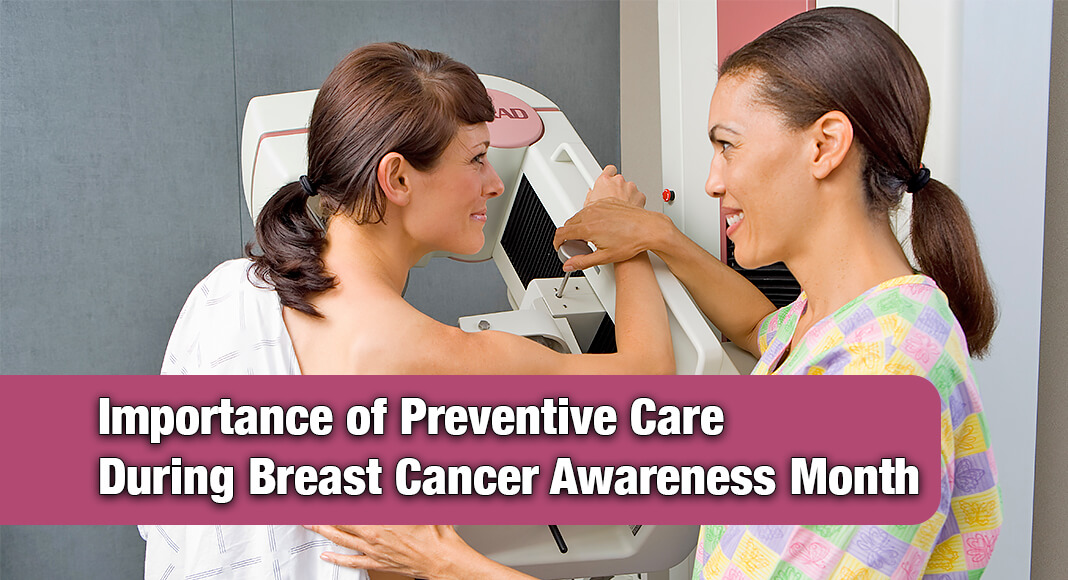
Women ages 40 to 74 should get a mammogram once every two years, according to the U.S. Preventive Services Task Force.
“An annual breast cancer screening is an important part of any self-care plan and takes only 10-15 minutes of your time,” said Marissa Acosta, HHSC associate commissioner of Family Clinical Services. “If nothing is found, it can provide peace of mind. If something is caught early, it can save your life or the life of someone you love.”

An estimated 21,000 women in Texas were diagnosed with breast cancer in 2024, according to the Texas Department of State Health Services. That same year, more than 3,500 Texas women died from the disease.
Breast cancer is the second most common cause of cancer death for women in the state, outpaced only by lung cancer.
Routine breast cancer screenings are the best method to catch cancer early, when it’s easier to treat and survival rates are higher, according to the U.S. Centers for Disease Control and Prevention.
The HHSC Breast and Cervical Cancer Services program provides funding to clinics across the state for free breast cancer screening and diagnostic services, such as clinical breast examinations, mammograms and breast biopsies, to eligible women. The program also provides funding for cervical cancer screenings and treatment for precancerous cervical conditions.
Last year, the program helped more than 29,000 women receive screenings and preventive services.
Uninsured and underinsured Texas women with incomes at or below 200% of the federal poverty level may be eligible for the Breast and Cervical Cancer Services program. In addition, local clinics help eligible women apply for the Medicaid for Breast and Cervical Cancer program to receive treatment through Medicaid benefits.
Breast cancer awareness observation dates in October include:
- Breast Reconstruction Awareness Day – Oct. 15
- National Mammography Day – Oct. 17
To learn more about the women’s health programs and services that HHSC offers, including eligibility information, visit the Healthy Texas Women website or dial 2-1-1.