







loader image
Tuesday, January 27, 2026
57.7 F
McAllen
- Advertisement -

Helping Kids Manage Their Stress

Translate to Spanish or other 102 languages!

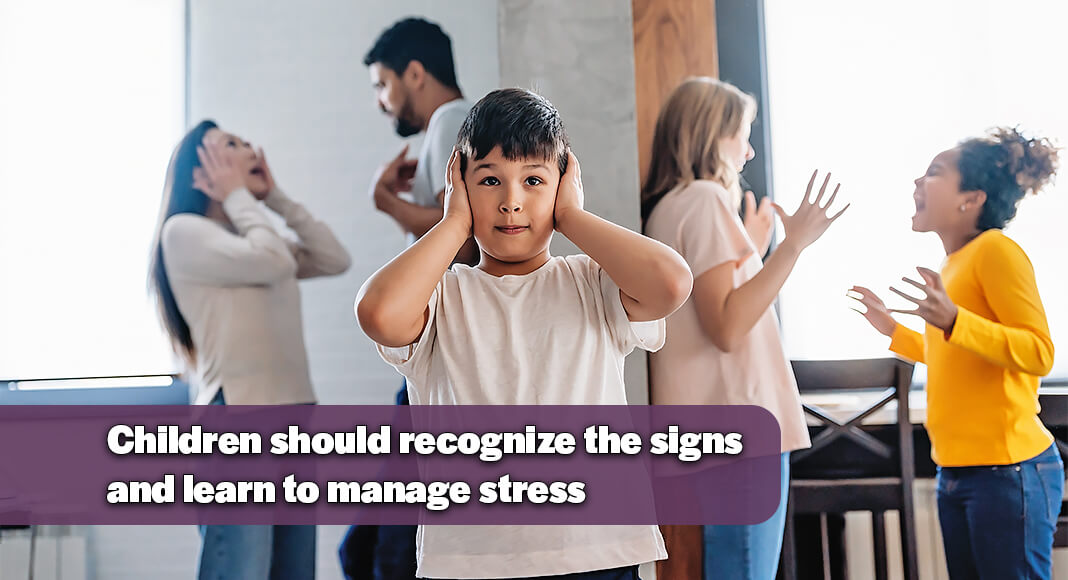
Between school, sports and extra curriculars – kids are busy! With so many demands on their time, they may feel stressed. Image for illustration purposes
- Advertisement -

CLEVELAND CLINIC – Between school, sports and extra curriculars – kids are busy! With so many demands on their time, they may feel stressed. 

So, how can parents help? 

“It’s important to realize that stress is going to be involved throughout life,” said Kate Eshleman, PsyD, a child psychologist with Cleveland Clinic Children’s. “It’s important that children recognize that and learn to manage it as opposed to try and avoid it.”

- Advertisement -

Dr. Eshleman said signs of stress in a child may include changes in attitude, interests or grades. 

If you suspect your child is struggling with stress, she recommends acknowledging it, looking for the cause, and then helping them manage it. 

For example, organizing and prioritizing homework differently may help. 

Or it may be helpful to change their daily routine to ensure nutritious meals, downtime and sufficient sleep are built in. 

- Advertisement -

Whether your kids are stressed or not, she recommends keeping the lines of communication open. 

“It’s really important to communicate with your kids and this is a good rule of thumb about anything,” Dr. Eshleman said. “Get in the habit of asking about their day, asking about practice, communicating with kids so that if something comes up, they’re going to be more likely to tell you.”

If you’re not sure how to help your child manage their stress or if you suspect they may have anxiety or depression, Dr. Eshleman recommends reaching out to your child’s pediatrician.  

- Advertisement -
- Advertisement -

- Advertisement -

More Articles

Altered Sleep–Wake Cycles Linked to Dementia Development

isruptions in patterns of daily activity and rest may provide early clues to heightened dementia risk, a study co-led by a UT Southwestern Medical Center scientist found. The research, published in Neurology, suggests data from a widely used heart monitor could help identify circadian rhythm changes associated with dementia in older adults. 

UCLA Researchers Identify Bacterial Role in Kidney Stone Formation

 In an unexpected finding, a UCLA-led team has discovered that bacteria are present inside the most common type of kidney stone, revealing a previously unrecognized component involved in their formation.

Why Low‑Protein, High‑Sugar Foods Leave You Hungry

“Foods low in protein, high in refined sugars and lacking heart-healthy fats tend to leave us feeling hungry,” Eury said. “Examples would include sugary cereals, donuts, granola bars, white pasta and sweetened smoothies.”

How Much Protein Is Too Much? Experts Explain

New federal dietary guidelines and social media influencers certainly make protein-centric lifestyles seem like the right option. But a UNLV nutrition expert says the answer is more nuanced; it depends on the individual and what they hope to accomplish with their protein intake.
- Advertisement -
×

