








Mega Doctor News
By Vincent Jacobbi, Mayo Clinic News Network
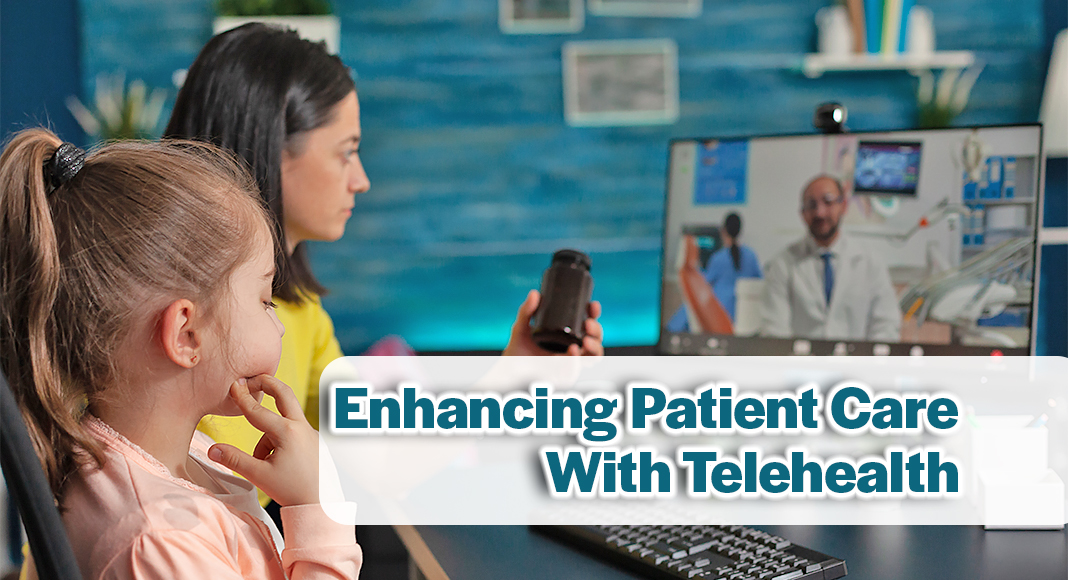
A recent Mayo Clinic study revealed how telehealth can be a powerful tool to enhance patient well-being when strategically applied in healthcare delivery.
The study showed that patients who received remote monitoring support after discharge did significantly better and needed less follow-up care compared to patients without remote monitoring.

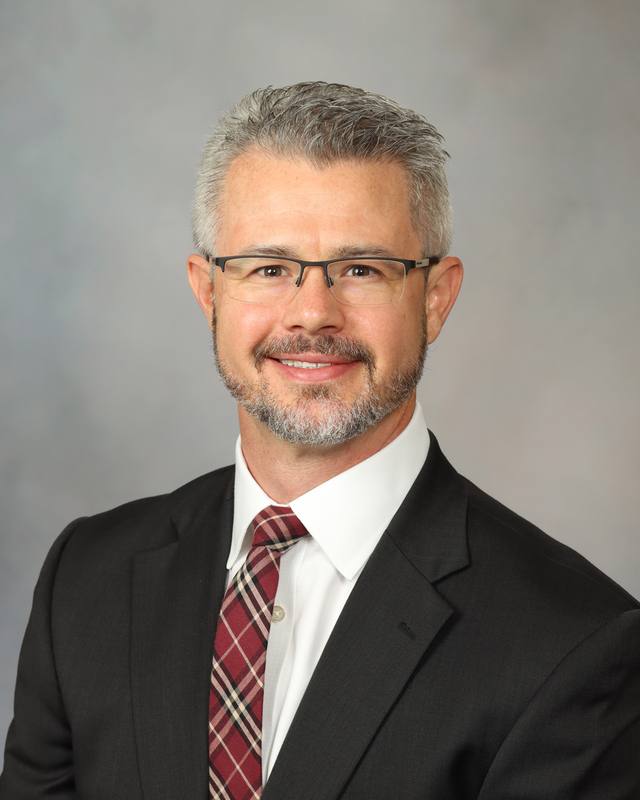
“This study explores the relationship between hospitals’ implementation of telehealth services and the impact on patients’ social needs,” says Aaron Spaulding, Ph.D., a healthcare researcher at the Mayo Clinic Robert D. and Patricia E. Kern Center for the Science of Health Care Delivery and senior author of the study. “The study aims to determine the effects on four key outcomes: better patient health, reduced hospital service use, lowered healthcare costs and enhanced community health.”
The study also found that when patients used online therapy, they were much more likely to say their overall health in the community had improved compared to those who did not receive such services.
The study investigators say that the findings provide a closer look into telehealth’s versatile ability to address social determinants of health and offer a path for future research into ways to enhance overall patient-centered care.
“There has been significant research identifying gaps in healthcare due to social determinants of health,”
says Dr. Spaulding. “The publication team has explored various avenues to understand the barriers to access and areas that inadvertently worsen outcomes related to social determinants.”
Dr. Spaulding notes that telehealth, when combined with in-person visits, has the potential to help create a more integrated approach to healthcare delivery, but says that it should be treated as a complementary tool and that any approach needs to be personalized.
“Different patients require varying levels of care, and while our systems are improving, some patients may benefit from telehealth, while others may prefer in-person care,” says Dr. Spaulding. “Additionally, a combination of approaches might be beneficial for certain individuals.”
Looking ahead, the researchers emphasize the need to continue focusing on strategically and thoughtfully deploying telehealth services in patient care.
“We must continue to assess the most effective ways to use telehealth to benefit patients,” says Dr. Spaulding. “This evaluation should consider both hospital-specific outcomes, such as readmissions and emergency department visits, as well as patient experience and patient-reported outcomes.”
Review the study for a complete list of authors, disclosures and funding.
About Mayo Clinic Robert D. and Patricia E. Kern Center for the Science of Health Care Delivery
The Mayo Clinic, Robert D. and Patricia E. Kern Center for the Science of Health Care Delivery, collaborates with clinical areas across Mayo to create and evaluate data-driven solutions to transform the health and healthcare experience for patients, staff and communities. It drives continuous improvement of Mayo Clinic as a learning health system, enabling safe, evidence-based, high-quality care.


