







Mega Doctor News

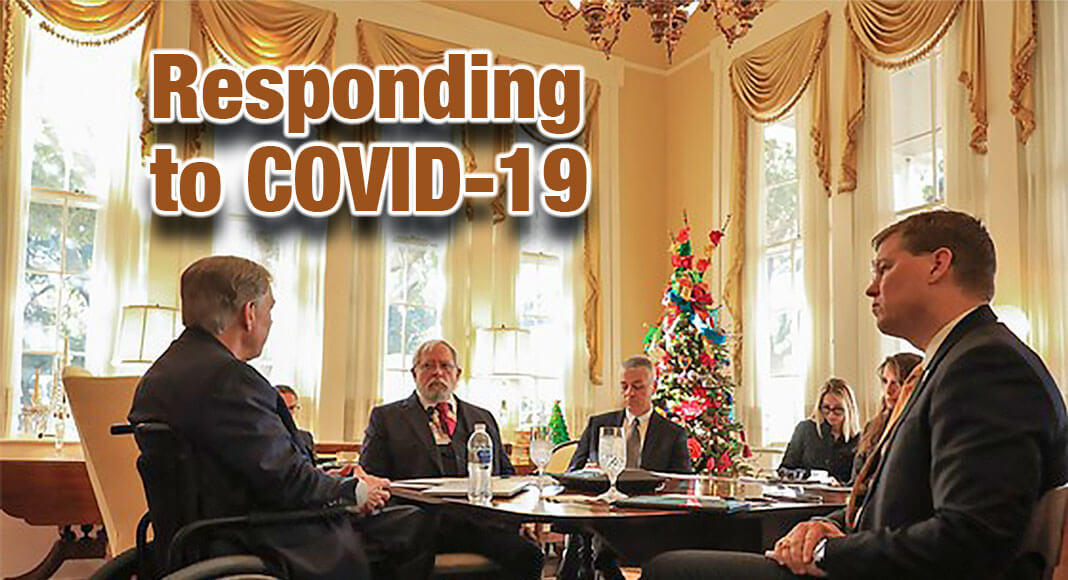
AUSTIN – Governor Greg Abbott today received a briefing from state medical and emergency response experts on the current status of the COVID-19 pandemic and the state’s ongoing response to the virus. The Governor was briefed by Texas Department of State Health Services (DSHS) Commissioner John Hellerstedt, MD, Texas Division of Emergency Management (TDEM) Chief Nim Kidd, the University of Texas Executive Vice Chancellor for Health Affairs John Zerwas, MD, DSHS Deputy Commissioner Kirk Cole, and Chief State Epidemiologist Jennifer Shuford, MD.
A readout of the meeting can be found below:
The doctors discussed current positivity trends from other countries and states. Dr. Hellerstedt noted Texans must still be very aggressive in voluntary prevention measures and staying home when sick.

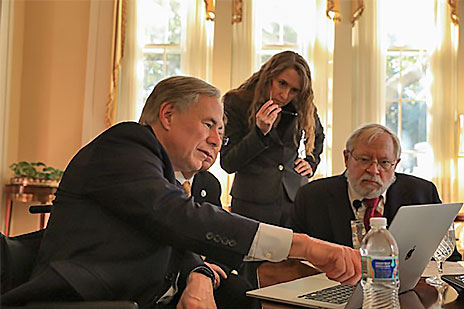
Dr. Hellerstedt said that vaccines have played a remarkable role in reducing the number of hospitalizations, and that while the vaccination rate continues to increase, many Texans are still eligible for the COVID-19 booster vaccine. Governor Abbott, Dr. Hellerstedt. and Dr. Shuford noted the importance of sharing accurate information about the COVID-19 vaccine with the public—it is safe, easily accessible, and reduces the likelihood of hospitalization and severe disease.
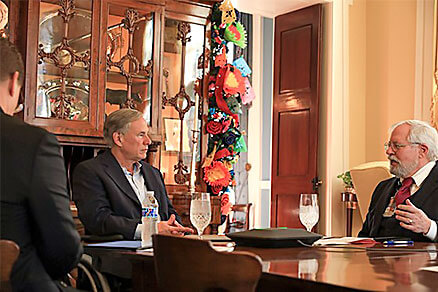
Dr. Hellerstedt and Chief Kidd then discussed the medical staffing situation in communities across the country, noting that the state is surging medical staffing to hospitals across the state and that this surge will continue in order to support health care workers on the frontlines of mitigating the virus. Governor Abbott and the leaders then discussed the importance of securing more testing resources. They also discussed acquiring monoclonal antibodies from either a private supplier—as Texas has done—or the federal government, which now fully controls the distribution of monoclonal antibodies. Dr. Hellerstedt said that while the Regeneron antibodies are not effective against the Omicron variant, it continues to make a remarkable difference for those diagnosed with other variants of COVID-19. Dr. Hellerstedt also discussed the efficacy of Pfizer’s COVID-19 antiviral pill, and how its anticipated availability in the coming weeks will continue to help reduce hospitalizations and severe cases.
Chief Kidd then outlined the amount of testing supplies currently in possession of the state and pointed out that the state’s personal protective equipment supply is strong. Additionally, Chief Kidd stated that Texas continues to get allocations of testing supplies every week and the State is continuing to order more tests.


