







Mega Doctor News

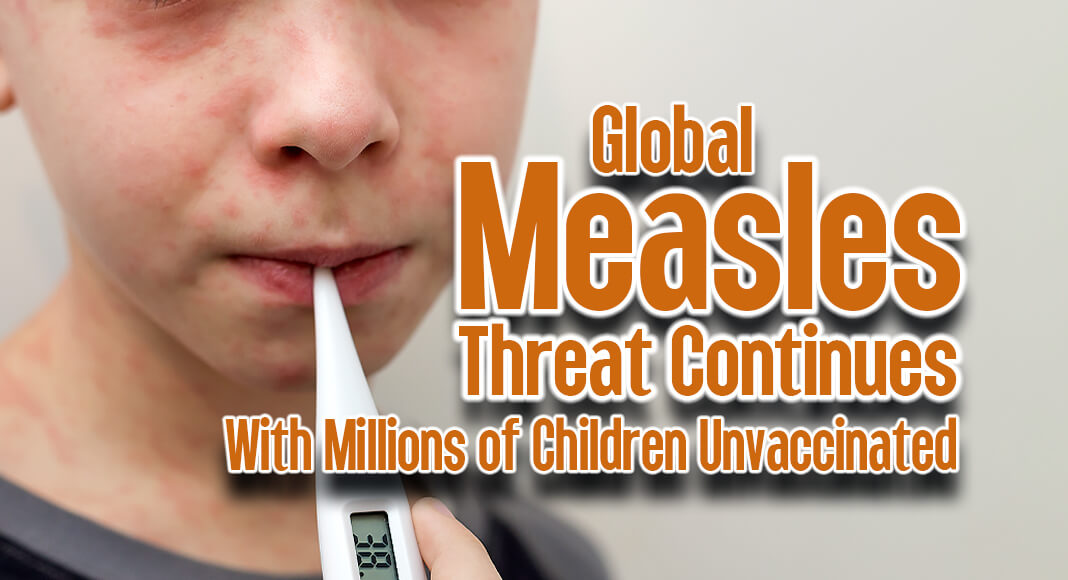
Following years of declines in measles vaccination coverage, measles cases in 2022 have increased by 18%, and deaths have increased by 43% globally (compared to 2021). This takes the estimated number of measles cases to 9 million and deaths to 136,000 – mostly among children – according to a new report from the World Health Organization (WHO) and the U.S. Centers for Disease Control and Prevention (CDC).
Measles continues to pose a relentlessly increasing threat to children. In 2022, 37 countries experienced large or disruptive outbreaks compared with 22 countries in 2021. Of the countries experiencing outbreaks, 28 were in the WHO Region for Africa, six in the Eastern Mediterranean, two in Southeast Asia, and one in the European Region.
“The increase in measles outbreaks and deaths is staggering, but unfortunately, not unexpected given the declining vaccination rates we’ve seen in the past few years,” said John Vertefeuille, director of CDC’s Global Immunization Division. “Measles cases anywhere pose a risk to all countries and communities where people are under-vaccinated. Urgent, targeted efforts are critical to prevent measles disease and deaths.”

Measles is preventable with two doses of measles vaccine. While a modest increase in global vaccination coverage occurred in 2022 from 2021, there were still 33 million children who missed a measles vaccine dose: nearly 22 million missed their first dose and an additional 11 million missed their second dose. The global vaccine coverage rate of the first dose, at 83%, and second dose, at 74%, were still well under the 95% coverage with the two doses necessary to protect communities from outbreaks.
Low-income countries, where the risk of death from measles is highest, continue to have the lowest vaccination rates at only 66%; a rate that shows no recovery at all from the backsliding during the pandemic. Of the 22 million children who missed their first measles vaccine dose in 2022, over half live in just 10 countries: Angola, Brazil, Democratic Republic of the Congo, Ethiopia, India, Indonesia, Madagascar, Nigeria, Pakistan, and Philippines
“The lack of recovery in measles vaccine coverage in low-income countries following the pandemic is an alarm bell for action. Measles is called the inequity virus for good reason. It is the disease that will find and attack those who aren’t protected,” said Kate O’Brien, WHO Director for Immunization, Vaccine and Biologicals. “Children everywhere have the right to be protected by the lifesaving measles vaccine, no matter where they live. “
CDC and WHO urge countries to find and vaccinate all children against measles and other vaccine-preventable diseases and encourage global stakeholders to aid countries to vaccinate their most vulnerable communities. In addition, to help prevent outbreaks, all global health partners at the global, regional, national, and local levels must invest in robust surveillance systems and outbreak response capacity to rapidly detect and respond to outbreaks.
CDC and WHO are founding members of the Measles & Rubella Partnership (M&RP), a global initiative to stop measles and rubella. Under the umbrella of Immunization Agenda 2030 and guided by the Measles and Rubella Strategic Framework 2030, M&RP’s mission includes addressing the decline in national vaccination coverage, hastening COVID-19 pandemic recovery and accelerating progress towards creating a world free of measles and rubella. The partnership also includes American Red Cross, Bill & Melinda Gates Foundation, Gavi, the Vaccine Alliance, United Nations Foundation, and UNICEF.
More on Measles
For more information on CDC’s global measles vaccination efforts, visit cdc.gov/globalhealth/measles.
For more information on WHO’s measles response and support, visit who.int/factsheet/measles.
Information Source: CDC


