Mega Doctor News
By UT Southwestern Medical Center
Newswise — Changes in habits during the pandemic can lead to unexpected health issues with feet and ankles. Orthopedic surgeon Kshitij Manchanda, M.D. at UT Southwestern Orthopedic Surgery and Sports Medicine has seen an increase in both reported injuries and chronic problems.
“With the pandemic shutdowns, people had to adapt their daily routines. Many began running outdoors or purchased exercise equipment to maintain a healthy lifestyle,” explained Dr. Manchanda, Assistant Professor of Orthopaedic Surgery. “We saw an estimated 25-30% uptick in injuries as people were learning to navigate their equipment or outdoor terrain.”

While exercising is a healthy choice, running puts an excessive amount of stress on the joints. “The sudden change in activity level either led to acute injuries and stress fractures or revealed ongoing foot and ankle conditions that require treatment,” Dr. Manchanda said.
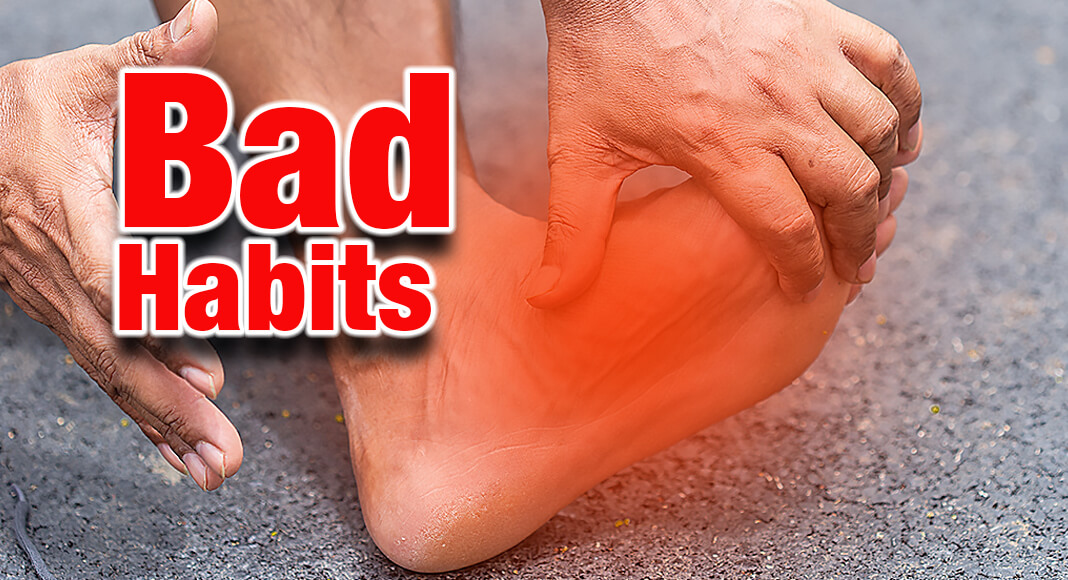
The most common condition his patients experienced was foot pain, either at the arch, heel, or great toe. These problems can be caused by improper footwear or even by going barefoot.
“Walking barefoot can be dangerous, as it exposes your feet to many potential sources of injury or infection,” said Dr. Manchanda. “Without a good supportive shoe, it is easier to injure yourself on uneven or rough terrain. Even minor injuries to the foot and ankle can lead to imbalance and to falls, which can lead to further serious injuries.”
The skin is the primary barrier to infection, but in some people it can become compromised and become a conduit for bacteria to enter the body. Monitoring the condition of the skin is important to prevent wounds or ulcers, especially for diabetics.
Dr. Manchanda recommends three ways to protect the feet: select shoes that are comfortable, well-padded, support your ankle, and fit snugly; clean feet daily with soap and water, remove socks after workouts to prevent buildup of sweat, and keep the skin moisturized; and know your limitations and prepare for exercise by stretching prior to workouts.
“If you are injured or have any new symptoms of pain, swelling, inability to bear weight, or new wounds – it’s time to visit your doctor,” said Dr. Manchanda.