








Essential Tips to Prevent Norovirus While Traveling This Summer

Translate to Spanish or other 102 languages!

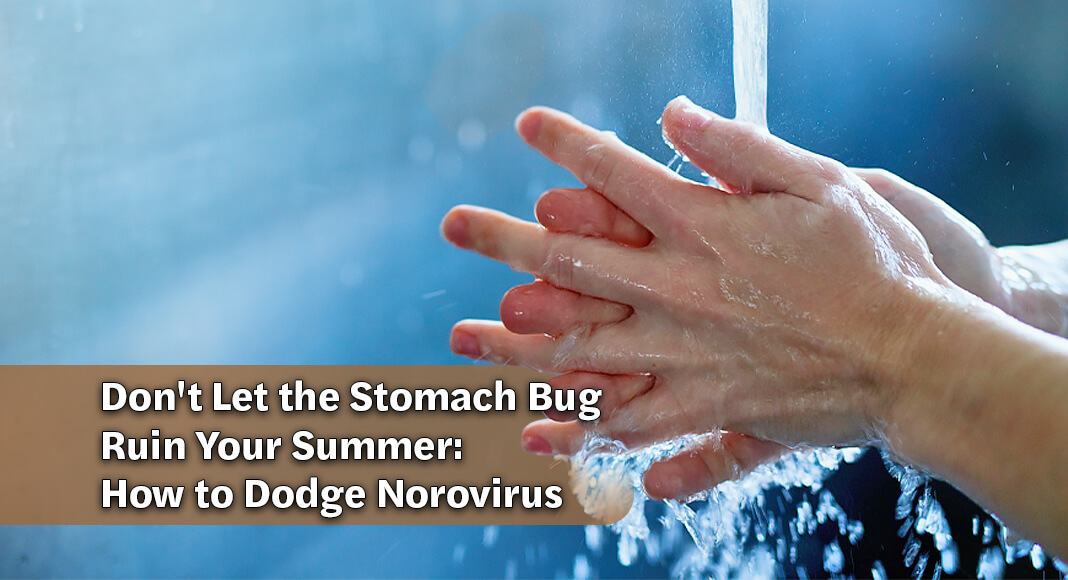
With summer travel ramping up, you may see headlines about norovirus outbreaks on cruise ships. If you’re wondering what that is and how you can help protect yourself, a Cleveland Clinic doctor explains. Image for illustration purposes
- Advertisement -

CLEVELAND CLINIC – With summer travel ramping up, you may see headlines about norovirus outbreaks on cruise ships. If you’re wondering what that is and how you can help protect yourself, a Cleveland Clinic doctor explains.

“Norovirus is a group of viruses that cause diarrhea and gastrointestinal illness. What makes it especially contagious is that it doesn’t take much – just a small number of viral particles from someone who is infected can make you sick. Because of that, one person can easily spread it to many others,” said Marianne Sumego, MD, a primary care physician with Cleveland Clinic.

Along with being very contagious, Dr. Sumego noted the virus is the leading cause of foodborne illness in the United States.

- Advertisement -

That’s because you can get norovirus from eating food that someone with the virus prepared without washing their hands. 

You can also pick it up by being near someone who has it or by touching surfaces they’ve come into contact with.

To protect yourself, frequently wash your hands, avoid touching your face, clean surfaces and cook food properly.

If you get norovirus, Dr. Sumego said it’s important to isolate and take steps to recover.

- Advertisement -

“We don’t want to use an anti-diarrheal. We want norovirus to run its course, which can help you recover faster. The old adage of the BRAT diet – eating bananas, rice, applesauce and toast – is a good place to start feeling better, but dehydration is the real concern. You want to make sure you’re replacing fluids and using electrolyte replacement solutions,” Dr. Sumego said.

If you experience dizziness, extreme thirst or other concerning symptoms, Dr. Sumego recommends checking in with your doctor. 

- Advertisement -
- Advertisement -

- Advertisement -

More Articles

The Hidden Chemicals Lurking in E-Cigarettes

Compared with traditional cigarettes, electronic cigarettes can seem simple and harmless. After all, they trade the eye-stinging smoke of burning tobacco leaves for something that looks like steam and might smell like air freshener. But that aroma masks a complex chemical mix that definitely worries experts who study the ingredients and effects of e-cigarettes, or vapes as they’re also known.

How Emerging Tick-Borne Viruses Evade the Human Immune System

Warmer temperatures bring out ticks that spread diseases such as Lyme disease and Rocky Mountain spotted fever. But another class of emerging tick-borne pathogens — nairoviruses — is on the rise.

Spotting Dehydration in Older Adults

As temperatures continue to heat up this summer, it’s important to keep a close eye on the older adults in your life.

$5.5 Million in Grants Awarded to Expand Texas Healthcare Services

Three Statewide Preceptorship Program (SPP) grants were awarded totaling $5.5 million to professional medical societies in Texas. The grants support hands-on training for Texas medical students in family medicine, general internal medicine, and pediatrics, including pediatric subspecialties. 
- Advertisement -

