







loader image
Tuesday, January 27, 2026
57.7 F
McAllen
- Advertisement -

Eating Citrus Fruit Like Oranges Tied To 20% Lower Depression Risk

Translate to Spanish or other 102 languages!

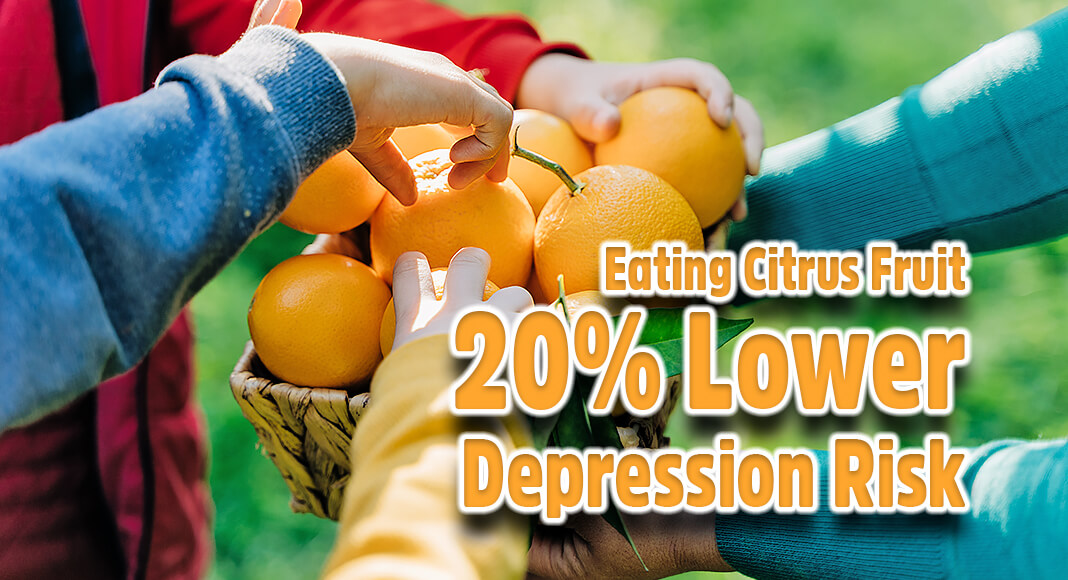
Oranges may help keep depression at bay, according to the findings of a recent study. Image for illustration purposes
- Advertisement -
  • An estimated 280 million people around the world live with depressive disorder.
  • Past studies show that certain lifestyle changes can help lower a person’s risk of developing depressive disorder, including certain foods such as olive oil and nuts. 
  • A new study has identified oranges as another food that may help decrease depression risk. 

An estimated 280 million peopleTrusted Source around the world live with clinical depression — a mental health condition that impacts a person’s mood and sense of self. 

There are a number of risk factors for depression, including family historyhormonal changes, other chronic diseasesTrusted Source, and constant stress.

Follow the link below to Medical News Today to read the full story:

- Advertisement -

https://www.medicalnewstoday.com/articles/eating-citrus-fruit-like-oranges-tied-to-20-lower-depression-risk

Information Source: https://www.medicalnewstoday.com

- Advertisement -

- Advertisement -

- Advertisement -

More Articles

Altered Sleep–Wake Cycles Linked to Dementia Development

isruptions in patterns of daily activity and rest may provide early clues to heightened dementia risk, a study co-led by a UT Southwestern Medical Center scientist found. The research, published in Neurology, suggests data from a widely used heart monitor could help identify circadian rhythm changes associated with dementia in older adults. 

UCLA Researchers Identify Bacterial Role in Kidney Stone Formation

 In an unexpected finding, a UCLA-led team has discovered that bacteria are present inside the most common type of kidney stone, revealing a previously unrecognized component involved in their formation.

Why Low‑Protein, High‑Sugar Foods Leave You Hungry

“Foods low in protein, high in refined sugars and lacking heart-healthy fats tend to leave us feeling hungry,” Eury said. “Examples would include sugary cereals, donuts, granola bars, white pasta and sweetened smoothies.”

How Much Protein Is Too Much? Experts Explain

New federal dietary guidelines and social media influencers certainly make protein-centric lifestyles seem like the right option. But a UNLV nutrition expert says the answer is more nuanced; it depends on the individual and what they hope to accomplish with their protein intake.
- Advertisement -
×


