








Mega Doctor News
By Karen Villarreal
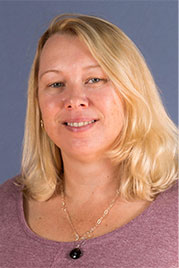
RIO GRANDE VALLEY, TX – Dr. Joanne Curran, a professor at the UTRGV School of Medicine’s South Texas Diabetes and Obesity Institute (STDOI), has been awarded a $2 million, four-year federal grant to identify rare gene mutations in large families in South Texas, including in the Rio Grande Valley.
Curran, principal investigator on the study, said their focus is to identify individuals at greater risk for developing Type 2 diabetes and contribute to treatment options for this disease, which is highly prevalent among the Hispanic population.

“We are learning more about the genetics of diabetes,” Curran said. “However, we’re still scratching the surface at this point, and there is still a lot to learn.”
In predominantly Hispanic South Texas, the area’s rate of Type 2 diabetes far surpasses the national and state rates, and Curran and her team of scientists believe the genetic makeup of the Hispanic community may hold the key to understanding how the disease functions.
By looking at large families, many with a history of Type 2 diabetes, Curran’s team hopes to identify rare mutations in their DNA. Any mutations with significant impact could be a clue for a cure, she said. When a rare mutation repeatedly shows up alongside diabetes, it becomes of interest to researchers because it could be a potential target for treatment.
The grant, awarded by the National Institutes of Health, is titled “Assessing the Influence of the Human Lipidome on Risk of Diabetes in a Minority Population.” It focuses on identifying how rare gene mutations that correlate with diabetes have an effect on lipids, one of the building blocks of proteins in human cells.
For this study, the STDOI team will use blood samples already available from a large biobank of South Texas Hispanic families. Curran said they are in the process of measuring the more than 800 different lipids in each of these samples for analysis.
A better understanding of the essential cellular functions involved with diabetes, including the role of lipids, can lead to future research to target those specific genes and develop drugs that address the damage caused by mutations.
For example, Curran said a gene mutation could be disturbing metabolic processes and not allowing cells to burn fat for energy. By systematically “turning off” those mutated genes, Curran and her team will gain a better idea of what pathways the rare mutations might be disturbing. That information can reveal where a drug is needed to pick up the slack to restore the function of the mutated gene.
“It’s all balancing,” Curran said, “trying to identify the role of those mutations and how we might counter their effect.”


