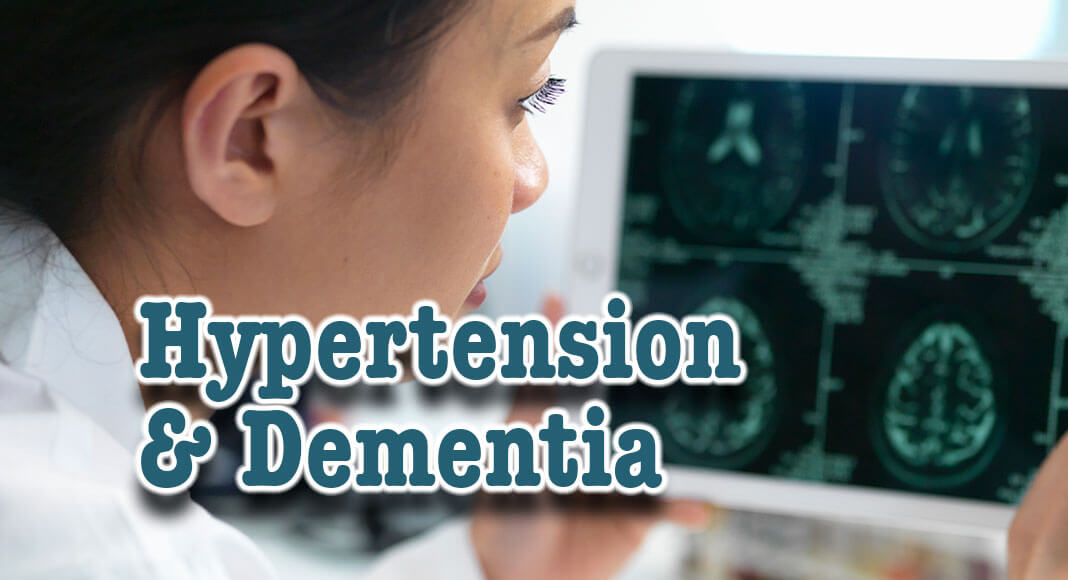
Dementia: Scientists Find Specific Brain Regions Damaged by High Blood Pressure

Translate to Spanish or other 102 languages!

More than 55 million people globallyTrusted Source have dementia — an umbrella term for a number of diseases causing memory loss and cognitive declineTrusted Source. Image for illustration purposes

Medical News Today

- Advertisement -

  • High blood pressure is a known risk factor for developing dementia. 
  • Researchers recently identified the specific areas of the brain that may be damaged by high blood pressure and are linked to the development of dementia. 
  • Further studies may help researchers identify patients at high risk of cognitive impairment. 

More than 55 million people globallyTrusted Source have dementia — an umbrella term for a number of diseases causing memory loss and cognitive declineTrusted Source.

Follow the link below to Medical News Today to read the full Story:

https://www.medicalnewstoday.com/articles/dementia-scientists-find-specific-brain-regions-damaged-by-high-blood-pressure

- Advertisement -

Information Source: https://www.medicalnewstoday.com

- Advertisement -

- Advertisement -

- Advertisement -

More Articles

FDA Clears Path for Expanded Testosterone Therapy Options for Men

The U.S. Food and Drug Administration is taking an initial step to advance treatment options for men’s health by encouraging sponsors of approved testosterone replacement therapy (TRT) products to contact FDA for information if they are interested in pursuing a potential new indication for low libido in men with idiopathic hypogonadism (without a known cause).

Study Finds Persistent Barriers to Hormone Therapy for Cervical Cancer Patients

Most oncologists say they would prescribe hormone therapy to cervical cancer patients who experience early menopause from radiation treatment, but barriers are keeping many from doing so in practice, according to a new University of Kentucky Markey Cancer Center study published in JAMA Network Open.

Three Everyday Habits That Could Be Ruining Your Sleep

 If you struggle to get a good night’s sleep, you may want to look at some of your habits – like what time you actually go to bed.

When GLP‑1s Fall Short

Over the last few years, glucagon-like peptide-1 (GLP-1) receptor agonistsTrusted Source have been growing in popularity for not only treating type 2 diabetes but also for weight loss. 
- Advertisement -