








loader image
Wednesday, December 3, 2025
70.8 F
McAllen
- Advertisement -

Dementia Cases Expected to Double by 2060, Study Shows

Translate to Spanish or other 102 languages!

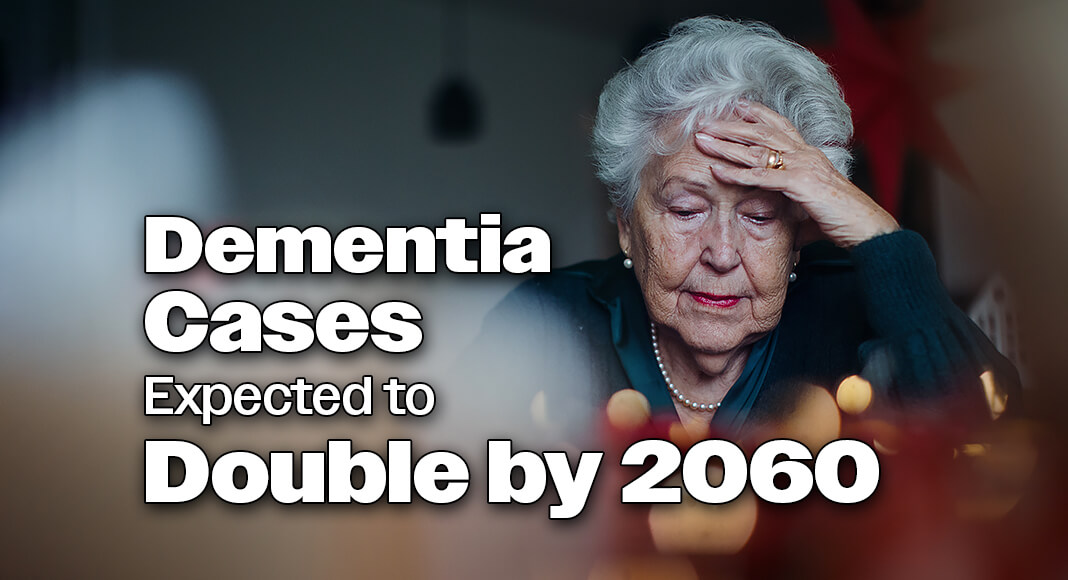
“The number of people over the age of 65 is expected to increase consistently over the many decades coming up, and age is the highest risk factor for onset of dementia,” explained Jagan Pillai, MD, neurologist at Cleveland Clinic. image for illustration purposes
- Advertisement -

CLEVELAND CLINIC – According to a recent study, the number of dementia cases here in the United States is expected to double by the year 2060.

But, why is that?

“The number of people over the age of 65 is expected to increase consistently over the many decades coming up, and age is the highest risk factor for onset of dementia,” explained Jagan Pillai, MD, neurologist at Cleveland Clinic.

- Advertisement -

Dr. Pillai was not a part of the study but said the findings highlight why more research is needed when it comes to prevention and treatment.

He also noted the disparities reported among women and black people.

The study shows they have a higher lifetime risk for dementia.

Dr. Pillai said dementia results from a decline in a person’s memory, reasoning, language, coordination or behavior, and can make it very difficult for someone to take care of themselves.

- Advertisement -

And while age is one of the biggest risk factors for dementia, lifestyle choices like smoking, family history and heart health can play a role too.

Diet and exercise also seem to help stave off the onset of dementia.

“The more physically active you are, that decreases your dementia risk. Healthy eating habits, like Mediterranean diet, are shown to be effective, along with being socially and cognitively engaged,” he said. “Picking up new skills, being socially active and engaged in the community also seems to stave about the onset of dementia.”

Right now, there is no cure for dementia.

However, there are different treatment options available which can, in some cases, help slow the progression of symptoms.


- Advertisement -
- Advertisement -

- Advertisement -

More Articles

Poor Kidney Health Linked to Higher Levels of Alzheimer’s Biomarkers in Blood

People with impaired kidney function have higher levels of Alzheimer’s biomarkers in their blood, but not an increased risk of dementia, according to a study published December 3, 2025, in Neurology®, the medical journal of the American Academy of Neurology.

Does Mental Illness Have a Silver Lining? 

An estimated one in five U.S. adults lives with mental illnesses, conditions that are almost universally characterized by their negative consequences. But there are also positive attributes associated with psychological disorders— and acknowledging them can reduce stigma and improve care.

Analysis Quantifies Life-Saving Potential of Stop the Bleed

Mega Doctor News By American College of Surgeons (ACS) Newswise - CHICAGO - Quicker access...

Why Undisturbed Sleep is Important to Brain Injury Recovery

A new study highlights how important uninterrupted sleep is to recovery after a traumatic brain injury, finding that fragmented sleep in injured mice is linked to a loss of rapid-eye-movement (REM) sleep and increased fatigue. 
- Advertisement -
×
