








Mega Doctor News
CLEVELAND CLINIC – There are countless gruesome and graphic videos being shared on social media following the tragedies in the news this week, and if you’re having a hard time being inundated by that content, you’re not alone – many are feeling sad, anxious and overwhelmed.
“When we’re seeing violence on social media, it in itself is traumatizing. And often on social media, things are not blocked out. You’re seeing the entire thing, which is not something that most of us are used to,” said Chivonna Childs, PhD, psychologist at Cleveland Clinic.
Dr. Childs said it’s completely understandable for someone to be upset after watching a violent video, which is why she advises people to not watch that same video again or anything related to it.

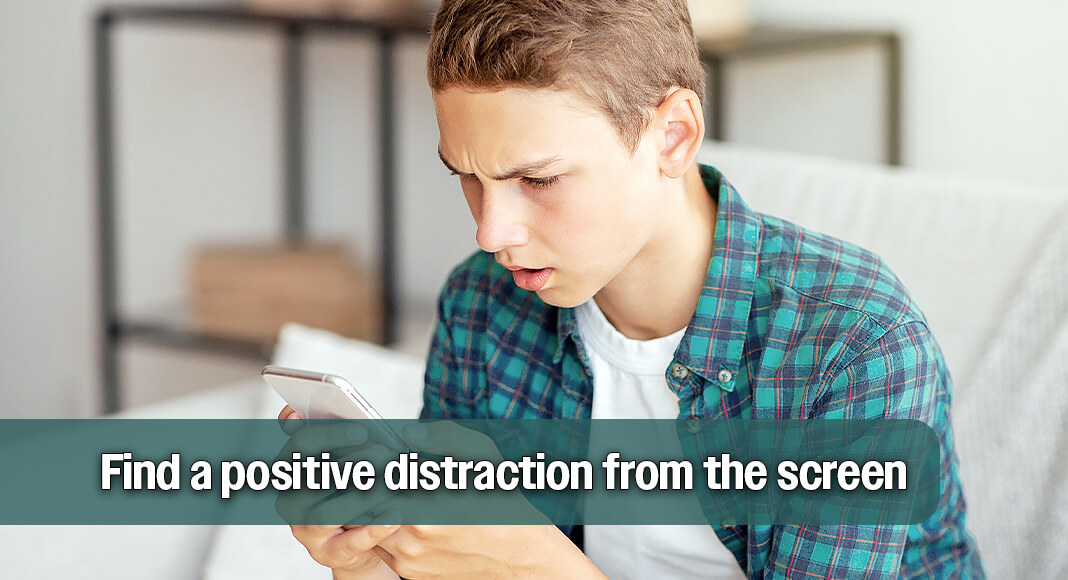
Instead, she recommends taking a break from social media and finding a positive distraction.
You could go outside and get some fresh air, play happy music or put on a favorite TV show.
You could also spend time with family and friends.
But if you are tempted to keep looking at those videos, know it could have negative consequences.
“If you are that person that goes down the rabbit hole, you have to dig, you’re like a reporter and you want to know all the bits and pieces, be wary of how you feel when you’re doing it and after you’re doing it because there are aftereffects. This is why people have nightmares. This is why they ask you not to sleep with your TV on. And if you are going to sleep with your TV on, be mindful of what’s playing in the background because those things can seep into our cognitive spaces. We don’t want that,” Dr. Childs explained.
Dr. Childs said if you start to notice extreme feelings of anxiety or depression, it’s important to reach out for help.
She also suggests using parental controls for your children’s devices to prevent them from seeing graphic videos.
If you do have a discussion with your kids, make sure it’s in an age-appropriate way.


