Mega Doctor News


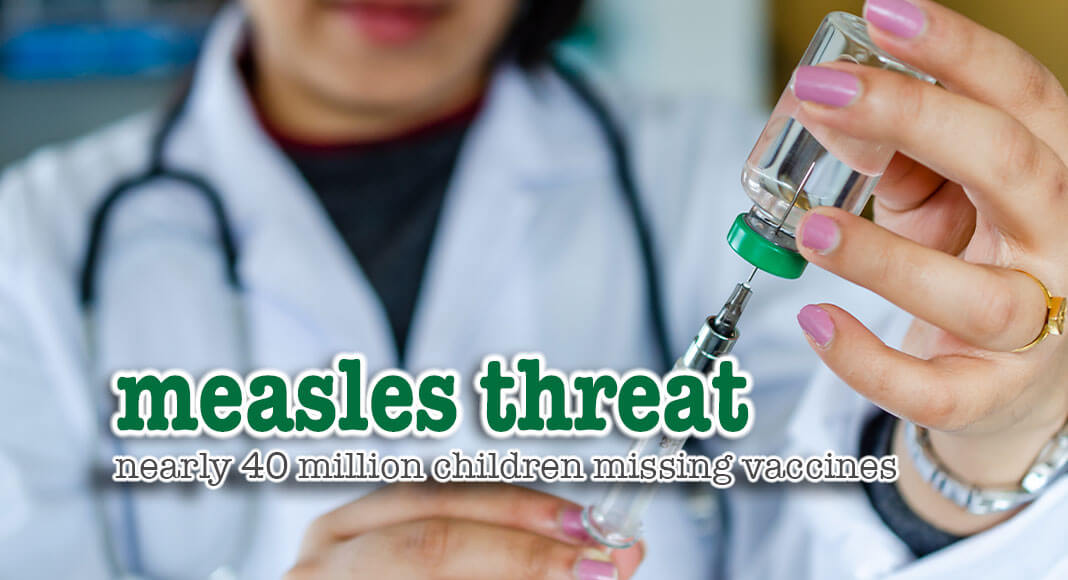
Measles vaccination coverage has steadily declined since the beginning of the COVID-19 pandemic. In 2021, a record high of nearly 40 million children missed a measles vaccine dose: 25 million children missed their first dose and an additional 14.7 million children missed their second dose, a joint publication by the World Health Organization (WHO) and the United States Centers for Disease Control and Prevention (CDC) reports. This decline is a significant setback in global progress towards achieving and maintaining measles elimination and leaves millions of children susceptible to infection.
In 2021, there were an estimated 9 million cases and 128,000 deaths from measles worldwide. Twenty-two countries experienced large and disruptive outbreaks. Declines in vaccine coverage, weakened measles surveillance, and continued interruptions and delays in immunization activities due to COVID-19, as well as persistent large outbreaks in 2022, mean that measles is an imminent threat in every region of the world.
“The paradox of the pandemic is that while vaccines against COVID-19 were developed in record time and deployed in the largest vaccination campaign in history, routine immunization programs were badly disrupted, and millions of kids missed out on life-saving vaccinations against deadly diseases like measles,” said WHO Director-General Dr Tedros Adhanom Ghebreyesus. “Getting immunization programs back on track is absolutely critical. Behind every statistic in this report is a child at risk of a preventable disease.”

The situation is grave: measles is one of the most contagious human viruses but is almost entirely preventable through vaccination. Coverage of 95% or greater of 2 doses of measles-containing vaccine is needed to create herd immunity in order to protect communities and achieve and maintain measles elimination. The world is well under that, with only 81% of children receiving their first measles-containing vaccine dose, and only 71% of children receiving their second measles-containing vaccine dose. These are the lowest global coverage rates of the first dose of measles vaccination since 2008, although coverage varies by country.
Urgent global action needed
Measles anywhere is a threat everywhere, as the virus can quickly spread to multiple communities and across international borders. No WHO region has achieved and sustained measles elimination. Since 2016, 10 countries that had previously eliminated measles experienced outbreaks and reestablished transmission.
“The record number of children under-immunized and susceptible to measles shows the profound damage immunization systems have sustained during the COVID-19 pandemic,” said CDC Director Dr. Rochelle P. Walensky. “Measles outbreaks illustrate weaknesses in immunization programs, but public health officials can use outbreak response to identify communities at risk, understand causes of under-vaccination, and help deliver locally tailored solutions to ensure vaccinations are available to all.”
In 2021, nearly 61 million measles vaccine doses were postponed or missed due to COVID-19-related delays in immunization campaigns in 18 countries. Delays increase the risk of measles outbreaks, so the time for public health officials to accelerate vaccination efforts and strengthen surveillance is now. CDC and WHO urge coordinated and collaborative action from all partners at global, regional, national, and local levels to prioritize efforts to find and immunize all unprotected children, including those who were missed during the last two years.
Measles outbreaks illustrate weaknesses in immunization programs and other essential health services. To mitigate risk of outbreaks, countries and global stakeholders must invest in robust surveillance systems. Under the Immunization Agenda 2030 global immunization strategy, global immunization partners remain committed to supporting investments in strengthening surveillance as a means to detect outbreaks quickly, respond with urgency, and immunize all children who are not yet protected from vaccine-preventable diseases.
More Information on Measles
For more information on CDC’s global measles vaccination efforts, visit cdc.gov/globalhealth/measles.
For more information on WHO’s measles response and support, visit who.int/factsheet/measles
Information Source: CDC