
Mega Doctor News
By Rutgers University-New Brunswick
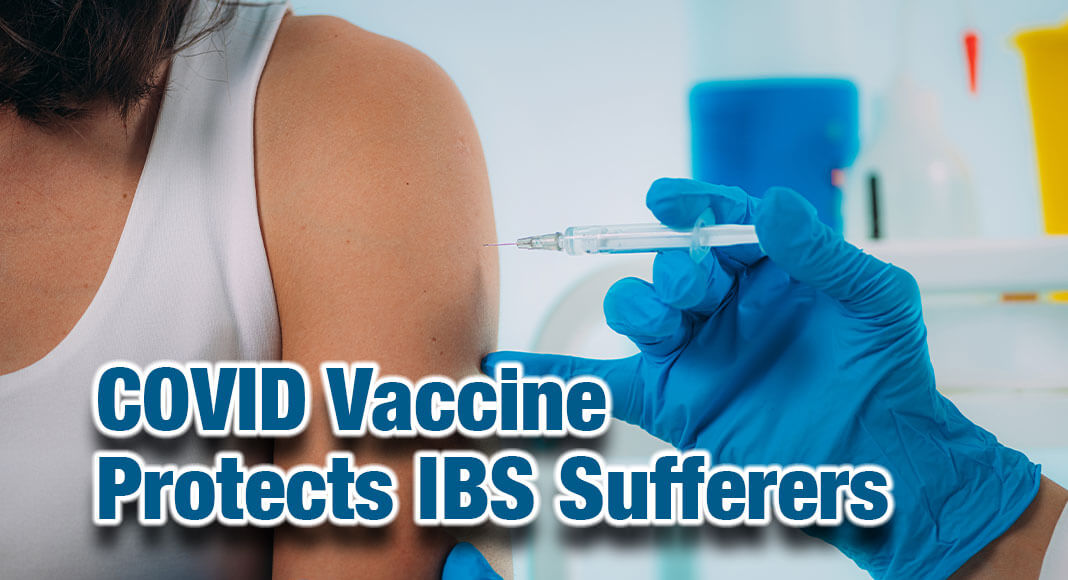
Newswise — COVID-19 vaccines taken by people with inflammatory bowel disease (IBD), which affects millions worldwide, safely and effectively protects them from the SARS-Cov-2 virus, a Rutgers study finds.
The comprehensive review, published in the journal Alimentary Pharmacology & Therapeutics, focused on all studies describing the response of patients with IBD who were administered a COVID-19 vaccine. People with IBD are commonly treated with drugs that suppress the immune system and have reported concerns over whether such treatments might weaken their response to the vaccine.

“We wanted to demonstrate in a systematic way that the vaccines will safely protect our IBD patients from COVID-19,” said study author Abhishek Bhurwal, an Advanced IBD Fellow in the Division of Gastroenterology and Hepatology at the Rutgers Robert Wood Johnson Medical School. “Our systematic review and meta-analysis confirmed that the vaccines are safe and work well in our patients.”
An estimated 3.1 million adults in the United States have been diagnosed with IBD, according to the Centers for Disease Control and Prevention. The disease, which includes Crohn’s disease and ulcerative colitis, causes chronic inflammation of the gastrointestinal tract. The numbers of such patients, Bhurwal said, are growing.
The study focused on four key aspects of COVID-19 vaccination of IBD patients: the strength of their immune response to the vaccine; the occurrence of breakthrough infections after taking the vaccine; the occurrence of adverse events to the vaccine; and whether differing IBD treatments affected vaccine effectiveness.
The analysis found the following:
- Vaccinated IBD patients showed high levels of antibody response, known as seroconversion, two weeks after the first vaccine, indicating a strong, positive response to the vaccine. The response was even higher after two doses, as compared with one dose.
- Vaccinated IBD patients did not experience a higher or lower rate of breakthrough infections than the control group in studies. However, the studies analyzed were likely not designed to allow for more subtle distinctions. Additionally, further studies regarding effectiveness for variants and booster doses are needed.
- Vaccinated IBD patients experienced a low rate of adverse events, and the most common events have also been seen in the general population: reactions at the injection site; headaches; backache; and joint pain.
- Vaccinated IBD patients on different immunosuppressive treatments had a similar response to the vaccine. Further studies are needed for assessing patients on corticosteroids for IBD.
Because of their treatment with immunosuppressive drugs, IBD patients are more susceptible to infectious disease than the general population. As a result, they have been encouraged to receive COVID-19 vaccines.
“Because members of the IBD population are immunocompromised, it was important to document that the SARS-CoV-2 vaccines work for them,” Bhurwal said. “With this analysis, we can say that two doses of the SARS-CoV-2 vaccines are safe and effective in the IBD population. But we need further studies regarding booster doses and COVID variants.”
Other Rutgers authors in the study were from the Division of Gastroenterology and Hepatology at Rutgers Robert Wood Johnson Medical School: Steven Brant, Lea Ann Chen, Carlos Minacapelli and Darren Seril.