






Coping with Back-to-School Anxiety

A child psychologist offers some tips to help ease your child's anxiety about heading back to school this month.

Translate to Spanish or other 102 languages!

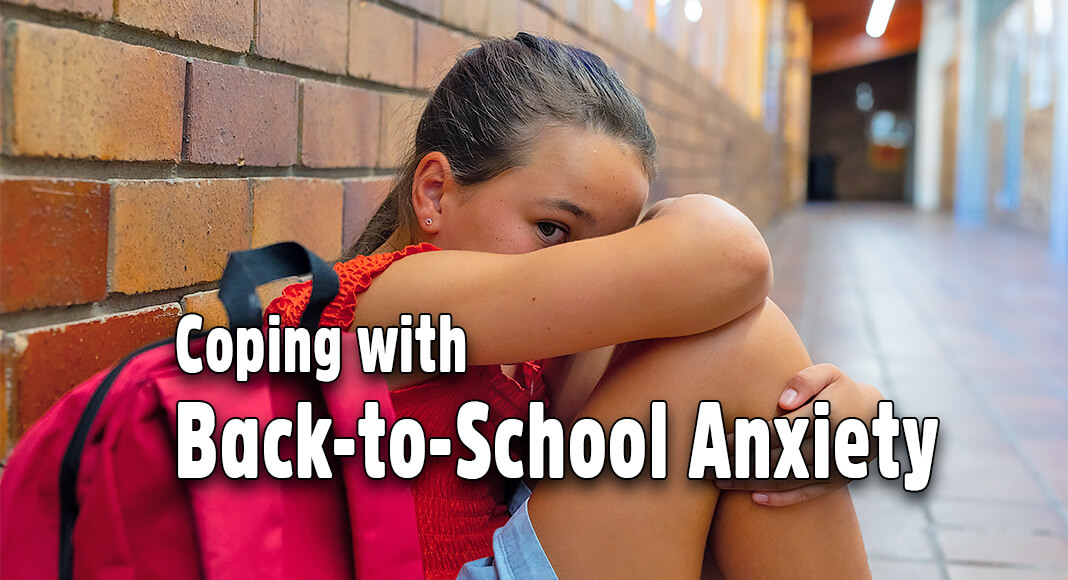
“Try to focus on the positives. You don't want to minimize the worries. You never want to say, ‘You have nothing to worry about.’ If they're worried, they're worried,” said Dr. Jensen. Image for illustration purposes
“Try to focus on the positives. You don’t want to minimize the worries. You never want to say, ‘You have nothing to worry about.’ If they’re worried, they’re worried,” said Dr. Jensen. Image for illustration purposes
- Advertisement -

CLEVELAND CLINIC – If your little one is anxious about going back to school, they’re not alone.

It can be a common feeling.

So, what can you do to help them with those first day jitters?

- Advertisement -

“For kids who are more anxious, you don’t want to feed into that too much. You want to start with like, ‘I’m so excited about you going into fourth grade this year,’ and see what they say,” said Vanessa Jensen, PsyD, psychologist for Cleveland Clinic Children’s. “I find ‘I’ statements work better than asking questions. When you say, ‘Are you worried about this year?,’ you’re kind of setting them up.”

Dr. Jensen said a child may not always tell you that they’re anxious.

Instead, you’ll notice signs with their behavior.

For example, they may keep asking which kind of school supplies they should buy or seem to be obsessing over what to wear the first day.

- Advertisement -

Dr. Jensen said that can be a good time to ask if something is on their mind.

And again, avoid asking them if they are “worried.”

You could say something like, “it’s okay to have wondering thoughts.”

Another tip is to share stories from when you were in school, which can show them you understand how they may be feeling.

“Try to focus on the positives. You don’t want to minimize the worries. You never want to say, ‘You have nothing to worry about.’ If they’re worried, they’re worried,” said Dr. Jensen. “But to help them understand, you know, we’ll get through it. I know we can do it. I know you can do it. And we’ll keep talking about it.”

Dr. Jensen said if your child is regularly making excuses for why they don’t want to go to school, it’s worth talking with their teacher or guidance counselor about the situation.

It may also be helpful for them to speak with a mental health professional.

- Advertisement -
- Advertisement -

- Advertisement -

More Articles

Study Links Childhood Chemo to Later-in-Life Health Issues

Chemotherapy, which saves the lives of many children with cancer, causes previously unknown DNA alterations in the liver and leaves genetic footprints in other healthy cells as well. These findings could potentially explain the higher risk of health problems later in life.

The Brain Benefits of Caring for Grandkids

If you enjoy spending time with your grandkids, you may be glad to know it can actually offer some cognitive benefits too.

Tick Bites & Arterial Plaque: The Alpha-Gal Link

Researchers are investigating whether the immune response underlying the condition, alpha-gal syndrome, may contribute to plaque buildup in the arteries.

Lifting Weights Shown Safe for Arrhythmogenic Cardiomyopathy Patients

People living with arrhythmogenic cardiomyopathy (ACM), a heritable heart condition that can significantly increase risks for sudden cardiac death, are advised to avoid high-intensity aerobic exercise. However, questions remain about whether higher-intensity strength training, which affects the heart differently from endurance exercise, could be less risky.
- Advertisement -

