Mega Doctor News

If you don’t have a battery-powered or battery back-up CO alarm, now is a great time to buy one. Each year, more than 400 Americans die from unintentional CO poisoning not linked to fires, more than 100,000 visit the emergency room, and more than 14,000 are hospitalized.
CO is found in fumes produced by furnaces, vehicles, generators, stoves, lanterns, gas ranges, or burning charcoal or wood. CO from these sources can build up in enclosed or partially enclosed spaces. People and animals in these spaces can be poisoned and can die from breathing CO.
When power outages occur during emergencies, such as ice storms or other severe weather, the use of alternative sources of power for heating or cooking can cause CO to build up in a home, garage, or camper and to poison the people and animals inside.

You Can Prevent Carbon Monoxide Exposure:
Do
Have your heating system, water heater and any other gas, oil, or coal burning appliances serviced by a qualified technician every year.
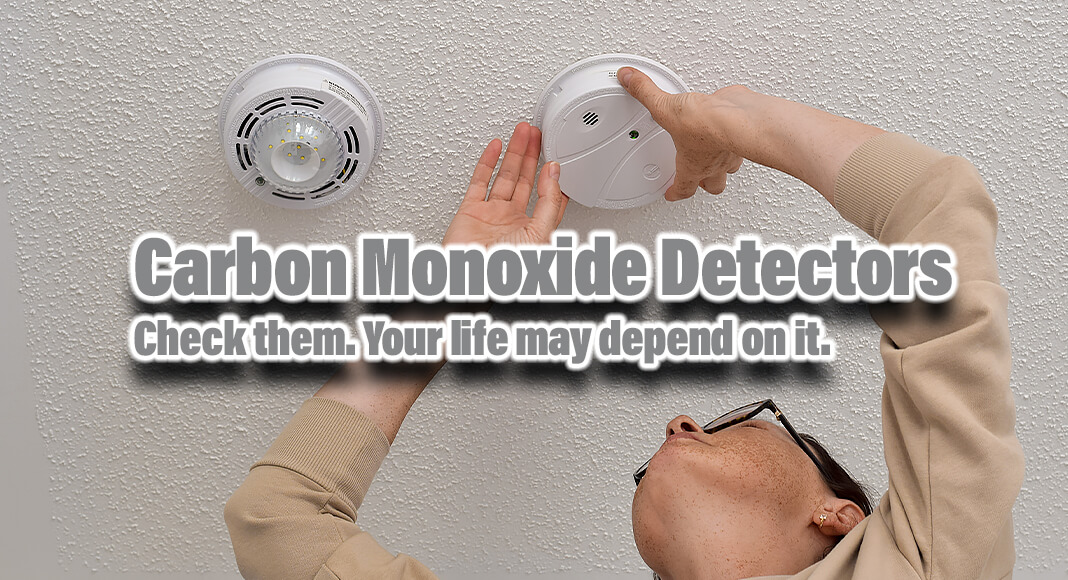
Install a battery-operated or battery back-up CO detector in your home and check or replace the battery when you change the time on your clocks each spring and fall.
Leave your home immediately and call 911 if your CO detector ever sounds. Seek prompt medical attention if you suspect CO poisoning and are feeling dizzy, light-headed, or nauseated.
Don’t
Run a car or truck inside a garage attached to your house, even if you leave the door open.
Burn anything in a stove or fireplace that isn’t vented.
Heat your house with a gas oven.
Use a generator, charcoal grill, camp stove, or other gasoline or charcoal-burning device inside your home, basement, or garage or outside less than 20 feet from a window, door, or vent.
CO poisoning is entirely preventable. You can protect yourself and your family by learning the symptoms of CO poisoning and acting wisely during a power outage.
Visit Prevention Guidelines for important CO poisoning prevention tips in 10 additional languages.
For more information, please visit CDC’s CO Poisoning website.