








Mega Doctor News
ATLANTA – The Centers for Disease Control and Prevention (CDC) released an update on the ongoing investigation of infant botulism cases linked to ByHeart infant formula. After assessing previously reported infant botulism cases in collaboration with the California Department of Public Health’s Infant Botulism Treatment and Prevention Program (IBTPP), CDC investigators expanded the outbreak date range to include 10 cases dating back to December 2023.
As of December 10, 2025, a total of 51 sick infants from 19 states have been hospitalized and treated with BabyBIG® in this outbreak. No deaths have been reported. Infant botulism happens when a baby swallows Clostridium botulinum spores that grow in the gut and make toxin. Infant botulism often starts with constipation but is usually first noticed as difficulty feeding (sucking and swallowing), a weak and altered cry, and lack of head control.
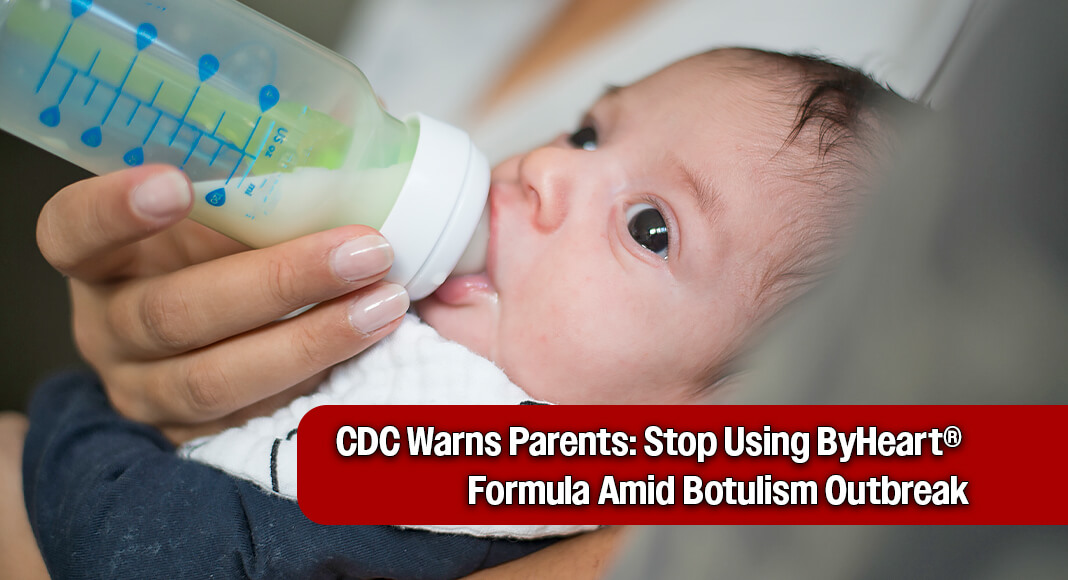
CDC continues to urge parents to stop using any ByHeart Whole Nutrition infant formula immediately, even if it is mistakenly found for sale in stores or online. Laboratory tests have shown that the formula is contaminated with botulism spores and can make infants sick.

This investigation is an outstanding example of CDC’s ability to rapidly respond to threats to Americans’ health and safety. On November 7, 2025, CDC was notified by IBTPP of a concerning increase in infant botulism, typically a rare illness, in infants consuming ByHeart infant formula. “While we typically expect to see 150-180 individual cases of infant botulism annually, an outbreak of infant botulism is unprecedented,” says Dr. Jennifer Cope, the chief of the Enteric Diseases Epidemiology Branch. That evening, CDC and the U.S. Food and Drug Administration were already on the phone with ByHeart urging swift action to remove some of their formula from the market. The next day, November 8, CDC urged all parents in America to stop using two lots of ByHeart formula and informed them of the outbreak.
The outbreak team continued to evaluate data in real time, and by November 11, CDC expanded its warning to immediately stop using any ByHeart infant formula. CDC laboratories are testing clinical samples from sick infants and samples from open containers of ByHeart infant formula collected from homes of sick infants.
Although this is the first ever outbreak of infant botulism, CDC experts used their rapid response skillset to act immediately to save the lives of infants in America and provide clear guidance to frightened parents during a health emergency.
Information source: CDC


