CDC Recommends RSV Vaccine for Older Adults

Translate to Spanish or other 102 languages!

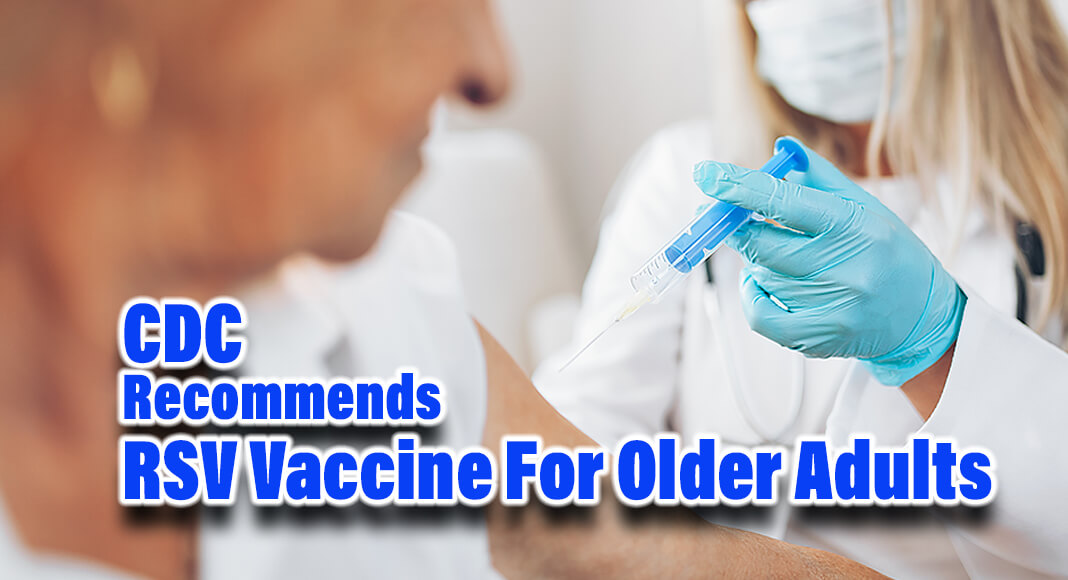
CDC Director Rochelle P. Walensky, M.D., M.P.H., endorsed the CDC Advisory Committee on Immunization Practices’ (ACIP) recommendations for use of new Respiratory Syncytial Virus (RSV) vaccines from GSK and Pfizer for people ages 60 years and older. Image for illustration purposes

Mega Doctor News

- Advertisement -

CDC Director Rochelle P. Walensky, M.D., M.P.H., endorsed the CDC Advisory Committee on Immunization Practices’ (ACIP) recommendations for use of new Respiratory Syncytial Virus (RSV) vaccines from GSK and Pfizer for people ages 60 years and older, using shared clinical decision-making. This means these individuals may receive a single dose of the vaccine based on discussions with their healthcare provider about whether RSV vaccination is right for them.

Adults at the highest risk for severe RSV illness include older adults, adults with chronic heart or lung disease, adults with weakened immune systems, and adults living in nursing homes or long-term care facilities. CDC estimates that every year, RSV causes approximately 60,000–160,000 hospitalizations and 6,000–10,000 deaths among older adults.

These new vaccines – which are the first ones licensed in the U.S. to protect against RSV – are expected to be available this fall. These vaccines provide an opportunity to help protect older adults against severe RSV illness at a time when multiple respiratory infections are likely to circulate. Healthcare providers should also talk to their adult patients about what other vaccines they will need this fall to help prevent respiratory infections.


- Advertisement -
- Advertisement -

- Advertisement -

More Articles

Exploring Facial Processing Differences in Autism

Some of the hallmark characteristics of autism are the tendencies to avoid looking at other’s faces and making less eye contact.

STHS’ Freestanding ERs Earn National Recognition for High-Quality Resuscitation Care

Sudden cardiac arrest is a life-threatening medical emergency that occurs when the heart unexpectedly stops beating, abruptly cutting off blood flow to the brain and other vital organs. It can strike anyone, at any age, often without warning.

New Lancet Commission Outlines Roadmap to Close the Gender Gap in Blood Disorders

A new report in The Lancet Haematology, led by Cleveland Clinic hematologist Bethany Samuelson Bannow, M.D., outlines practical strategies to improve diagnosis, care and outcomes globally for women and girls with hematological conditions, such as bleeding disorders, heavy menstrual bleeding, postpartum hemorrhage, thrombosis and maternal hematologic complications.

DHR Health Neuroscience Institute Nationally Recognized for Commitment to Excellence in Stroke Care

DHR Health Neuroscience Institute received the American Heart Association’s Get With The Guidelines® - Stroke Gold Plus quality achievement award for its commitment to ensuring people experiencing a stroke receive timely, appropriate treatment based on nationally recognized, research-based guidelines, ultimately helping to save lives and reduce disability.
- Advertisement -