








Mega Doctor News
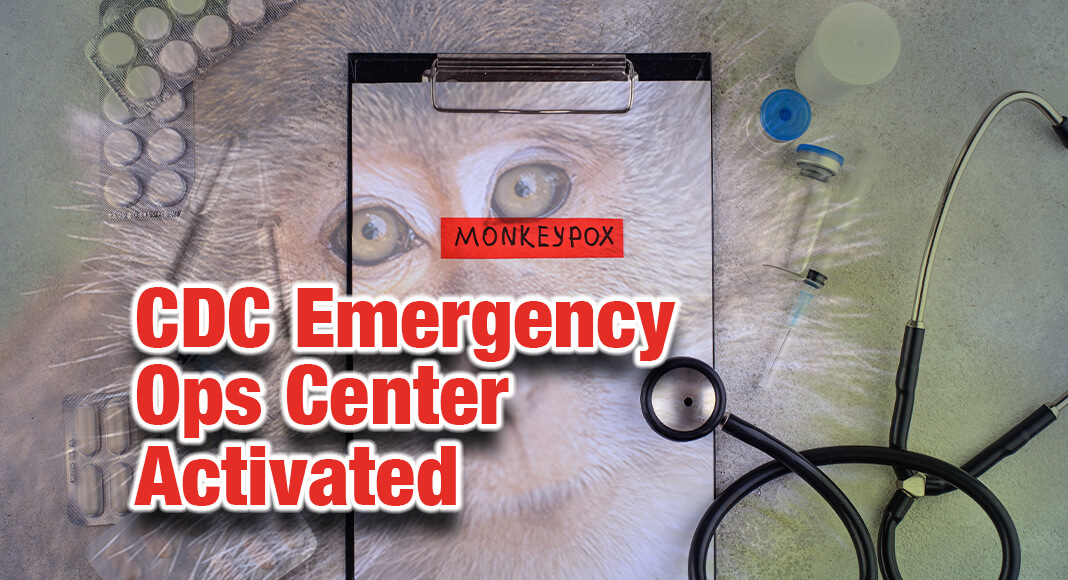
The CDC continues to lean forward with an aggressive public health response to the monkeypox outbreak by activating its Emergency Operations Center (EOC). This action stands up the CDC’s command center for monitoring and coordinating the emergency response to monkeypox and mobilizing additional CDC personnel and resources. CDC’s activation of the EOC allows the agency to further increase operational support for the response to meet the outbreak’s evolving challenges. It is home to more than 300 CDC staff working in collaboration with local, national, and international response partners on public health challenges. The activation of the EOC will serve to further supplement the ongoing work of CDC staff to respond to this outbreak.
Globally, early data suggest that gay, bisexual, and other men who have sex with men make up a high number of monkeypox cases. CDC continues to provide guidance and raise awareness among frontline healthcare providers and public health. CDC is also raising awareness of the current situation with the public through its website and social media in addition to direct partner and community outreach.
In June, CDC updated and expanded the monkeypox case definition and continues to encourage health care providers to consider testing for all rashes with clinical suspicion for monkeypox. Health care providers who see a patient with a rash that resembles monkeypox or might be more characteristic of more common infections (e.g., varicella zoster, herpes zoster, or syphilis) should carefully evaluate the patient for monkeypox and should consider testing. Anyone who has risk factors for monkeypox, and a new rash should seek care and testing.

Last week, CDC began shipping orthopoxvirus tests to five commercial laboratory companies, including the nation’s largest reference laboratories, to quickly increase monkeypox testing capacity and access in every community. This development will facilitate increased testing, leverage established relationships between clinics, hospitals and commercial laboratories, and support our ability to better understand the scope of the current monkeypox outbreak.


