loader image
Monday, December 22, 2025
84.7 F
McAllen
- Advertisement -

Cancer and Men

Men have higher rates of getting and dying from cancer than women. You can lower your chance of getting certain kinds of cancer.

Translate to Spanish or other 102 languages!

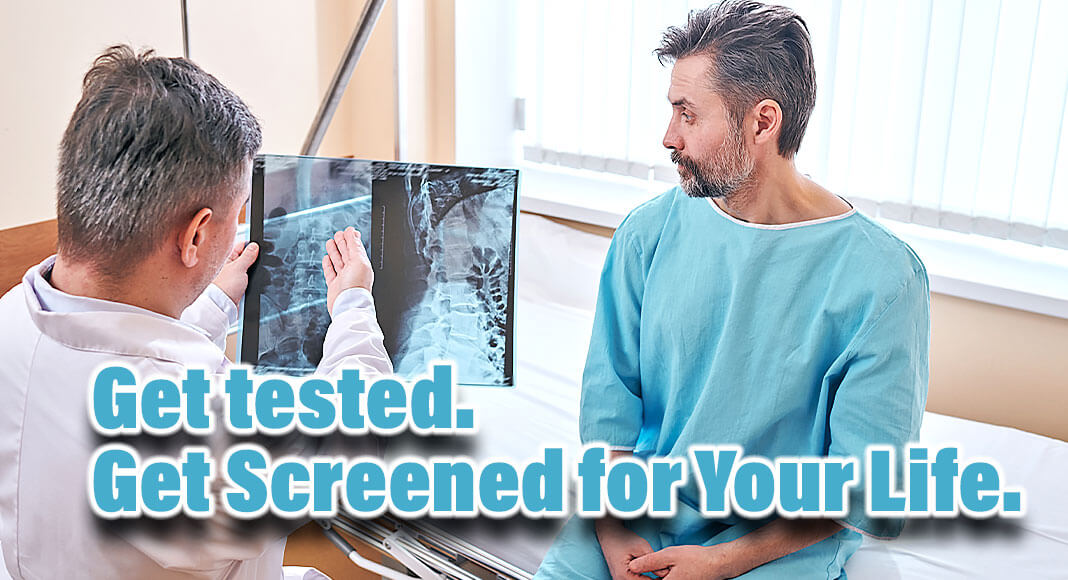
 Two of the most important things you can do are making healthy choices and getting the screening tests that are right for you. Image for illustration purposes
Two of the most important things you can do are making healthy choices and getting the screening tests that are right for you. Image for illustration purposes

Mega Doctor News

- Advertisement -

Most cancers take years to develop. Many things can affect your chance of getting cancer. Things that raise your chance of getting cancer are called risk factors.

You can’t control some risk factors, like getting older. But you can control many others. In fact, there are things you can do every day to avoid getting cancer. Two of the most important things you can do are making healthy choices and getting the screening tests that are right for you.

Healthy Choices

Quitting smoking is one of the best ways to lower your cancer risk. Smoking can cause cancer almost anywhere in the body. If you don’t smoke, make sure you stay away from other people’s smoke.

- Advertisement -

The link between smoking and cancer is well-known. But you may be surprised by other things that can lead to cancer.

  • Ultraviolet (UV) rays from the sun or artificial sources like a tanning bed, booth, or sunlamp can cause skin cancer, the most common cancer.
  • Drinking alcohol raises your risk of getting five kinds of cancer, including liver cancer and colorectal cancer.
  • About 40% of all cancers are associated with overweight and obesity.

Screening Tests

Screening means checking your body for cancer before you have symptoms. All screening tests have benefits and harms. Screening is recommended when the benefits outweigh the harms.

Information Source: CDC

- Advertisement -
- Advertisement -

- Advertisement -

More Articles

6 Depression Symptoms in Midlife Linked to Almost 50% Higher Dementia Risk

In 2021, about 57 million people globally were living with dementia — an umbrella term for neurological conditions that impact a person’s cognitive skills and memory, such as Alzheimer’s disease and vascular dementia

FDA Approves Daily Pill to Treat Low Libido in Women After Menopause

On December 15, 2025, the U.S. Food and Drug Administration (FDA) approved the medication Addyi (flibanserin) for the treatment of hypoactive sexual desire disorder (HSDD) in postmenopausal women under the age of 65.

Heart Association Highlights 2025’s Major Research Findings

In 2025, cardiovascular investigators worldwide reported findings that could help fill important gaps in preventing and managing conditions including high blood pressure, stroke, heart failure, dangerous blood clots and aortic stenosis.

Uniting Experts to Revolutionize Cancer Treatment

More than 70% of all cancers are impacted by mutations caused by a group of DNA-editing enzymes that drives tumor growth and drug resistance. The apolipoprotein B mRNA-editing enzyme catalytic polypeptide, or APOBEC, family, is a dominant factor in many cancers including bladder, breast, cervical, head and neck and lung.
- Advertisement -
×