








Can Snoring be a Sign of Something More Serious?

Translate to Spanish or other 102 languages!

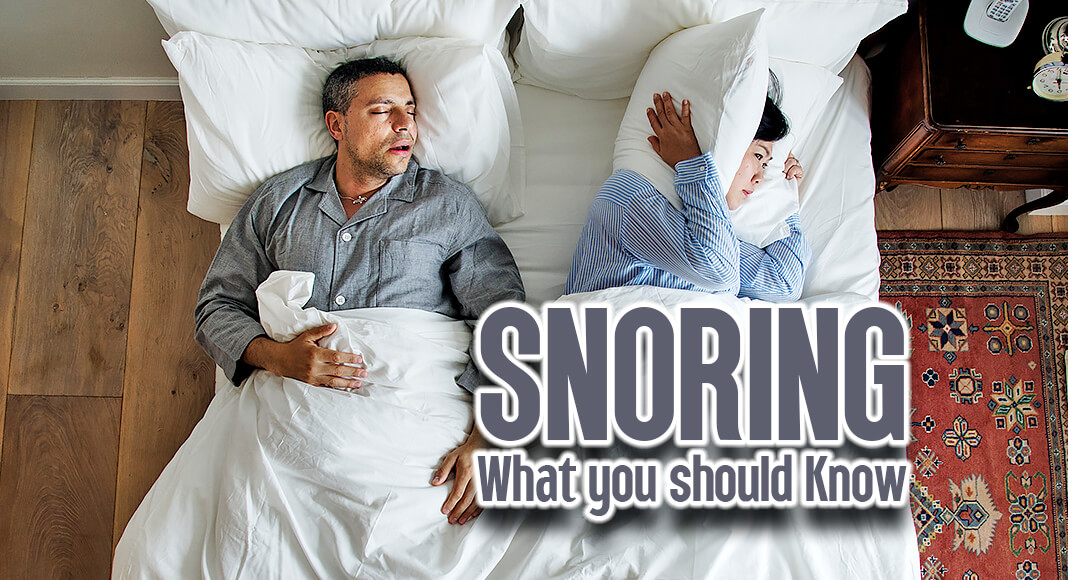
If you have a partner who snores, you know how annoying it can be. But that pesky noise could actually be a sign of something more serious. Image for illustration purposes

Mega Doctor News

- Advertisement -

CLEVELAND CLINIC – If you have a partner who snores, you know how annoying it can be. 

But that pesky noise could actually be a sign of something more serious.

“Snoring is really the sound that is made by the upper airway muscles when the airway is collapsing. And when we see the airway collapse in sleep, we call that sleep apnea – typically obstructive sleep apnea,” explains Nancy Foldvary, MD, sleep specialist for Cleveland Clinic. “So, snoring can be a disorder in and of itself, but most people who snore have some degree of obstructive sleep apnea.”


- Advertisement -

Dr. Foldvary said besides snoring, sleep apnea has other symptoms too. 

For example, a person may frequently wake up during the night or feel like they didn’t get a solid night’s sleep. They may also notice daytime sleepiness. 

Even more severe, an observer may notice that the person’s breathing stops and restarts while they’re sleeping. And that can lead to chronic diseases affecting the heart, brain and metabolism.   

Dr. Foldvary said if you or someone you know has any of these symptoms, you should speak with your physician. Sleep disorders shouldn’t be ignored. 

- Advertisement -

“Most recently we’ve learned that people who don’t get at least seven hours of sleep per night, and this includes people with sleep apnea who have a lot of sleep disruptions, are at higher risk to develop dementia over the course of their lifetime when they get older,” she said.

Of course, snoring can be caused by other factors too, like after having a few glasses of wine, if you’re sick or are dealing with allergies. 

In those cases, where it’s temporary, Dr. Foldvary said it’s likely nothing to worry about. 

- Advertisement -
- Advertisement -

- Advertisement -

More Articles

United States and Mexico Lose Measles Elimination Status Amid Continued Outbreaks

The United States, Mexico and Bolivia have lost their measles elimination status after the highly contagious virus circulated continuously for more than 12 months, the Pan American Health Organization (PAHO) announced November 17, 2026.

Eating and sleeping later associated with increased health risks

Staying up late and eating later in the evening could increase the risk of metabolic syndrome, a term that refers to conditions that increase the risk of type 2 diabetes, cardiovascular disease, and high cholesterol.

Health Officials Release Joint Statement Regarding Loss of U.S. Measles Elimination Status

CDC and its partners are committed to stopping measles outbreaks, protecting Americans, and regaining measles elimination status.

Why Kids Need Less Screen Time Before Bed

Phone notifications can feel nonstop – even for kids. Brian Chen, MD, a sleep specialist with Cleveland Clinic Children's, said it’s important to make sure those are muted and that screens are limited before bedtime.
- Advertisement -