
Mega Doctor News
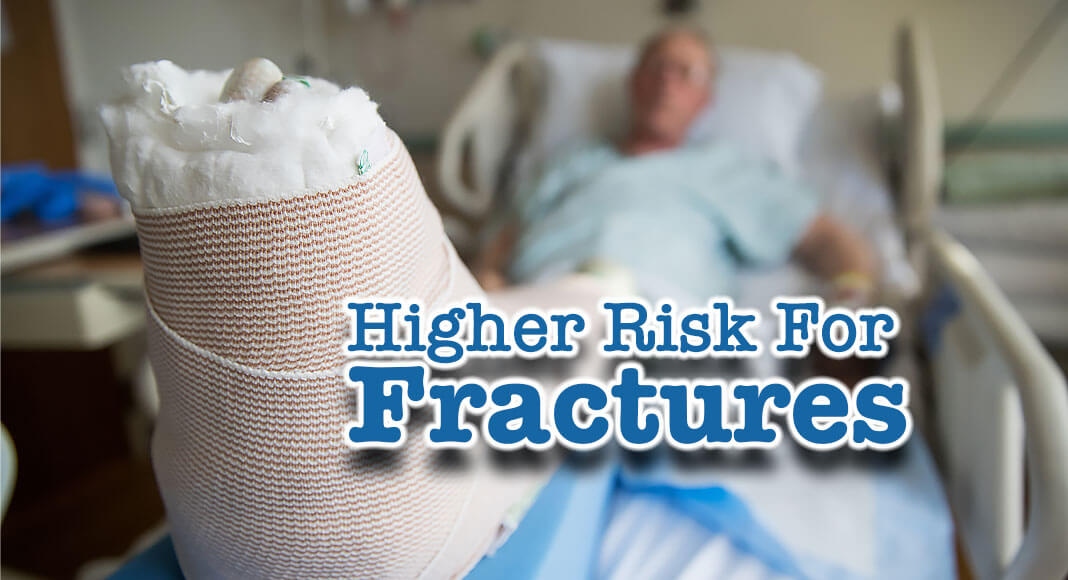
Newswise — ATLANTA, Georgia — Adult cancer survivors, particularly those diagnosed within five years and/or have a history of chemotherapy, have an increased risk for bone fractures, specifically pelvic and vertebral fractures, compared to older adults without cancer, according to a new large study by researchers at the American Cancer Society (ACS). Also, survivors who were physically active tended to have a lower risk of bone breakage, and survivors who smoked were associated with a higher risk. The findings were published today in the Journal of the American Medical Association (JAMA)Oncology.
“These findings are important as the number of cancer survivors living in the United States is projected to rise to 26.1 million by 2040. Research like this seeks ways for cancer survivors to have a better quality of life after their diagnosis,” said Dr. Erika Rees-Punia, senior principal scientist, behavioral and epidemiology research at the American Cancer Society and lead author of the study. “Fractures of the pelvis and vertebrae are more than just broken bones – they are serious and costly.”
Researchers analyzed data from participants of the Cancer Prevention Study-II Nutrition Cohort linked to Medicare claims from 1997-2017. They investigated the associations between cancer diagnoses, including time since and stage at diagnosis, and risk of pelvic, radial, and vertebral fractures (separately and combined) compared to adults without a history of cancer. Secondarily, they examined differences in the risk of fracture stratified by modifiable behaviors, treatment, and cancer type.

The results showed among the 92,431 participants included in the study, 12,943 experienced a frailty-related bone fracture. Compared to participants without a history of cancer, cancer survivors who were more recently diagnosed within five years with an advanced stage cancer had the highest risk of fracture. The higher fracture risk in cancer survivors was driven largely by vertebral and pelvic fracture sites. Compared to cancer survivors who did not receive chemotherapy, survivors who received chemotherapy were more likely to have a fracture; this association was stronger within five years of diagnosis, but still suggestive five years after diagnosis. The study also showed that physical activity may be associated with lower risk and current smoking was associated with a higher risk of fracture among cancer survivors 5 or more years post-diagnosis.
“We hope our findings will inform clinical guidance on fracture prevention, which could incorporate physical activity with exercise cancer professionals and smoking cessation programs, to improve quality of life after a cancer diagnosis,” added Rees-Punia.
Dr. Lauren Teras is senior author of the study. Other ACS authors include: Christina Newton, Amber Grant, Matthew Masters, W. Ryan Diver, and Dr. Alpa Patel.
Physical Activity guidelines for cancer survivors from the ACS can be found here. Resources from the ACS on quitting smoking can be found here.