
By Senator Juan “Chuy” Hinojosa, January 2022


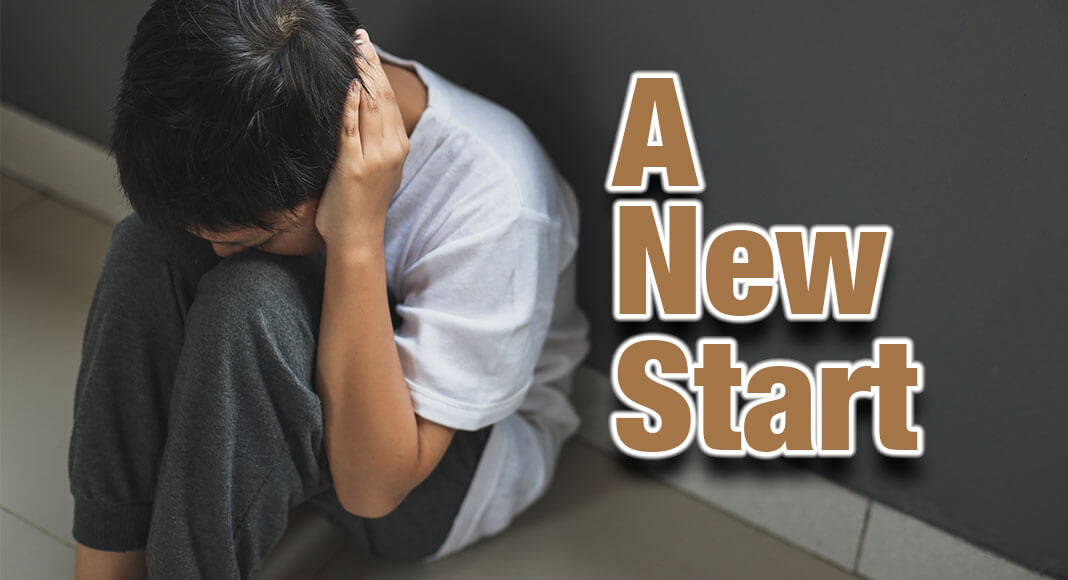
As we begin a new year, many of us are certainly making resolutions involving our health – eat better, exercise more, get more sleep, to name just a few. But often left off this list is to improve our mental health. Our brains make everything else we do possible and should be prioritized just like the rest of the body. This is especially true for our children whose brains are still rapidly developing and who are learning healthy habits that will be with them for the rest of their lives.
In normal times, children experience all forms of stress that come with “growing up.” These stresses have only been multiplied with the COVID-19 pandemic and the constant shifting sands of online, in-person, or hybrid school; cancellations of extracurricular activities; and limited interactions with their friends and family. As we navigate this new year, it is important for us to do everything we can to provide these children with the tools and resources to ensure they are able to maintain good mental health. It is also important for schools to identify students at risk of committing suicide or that can harm others to intervene as quickly as possible.
One critical tool we have is the array of resources developed through the Texas Child Mental Health Care Consortium created by legislation which I co-authored in 2019. The Consortium works through regional health institutions to close gaps in mental health care across the state. In South Texas, UTRGV was selected to serve in this role and increase access for all children in our region. In 2019, as vice chair of the Senate Finance Committee, I supported the initial appropriation of $99 million dollars for the Consortium to begin its work. This past Third Called Special Session, we appropriated an additional $113 million to ensure the resources are there for not just preserving mental health services for children but to also expand mental health initiatives for pregnant women, and women who are up to one year postpartum.

A key program created through the Consortium is the Texas Child Health Access Through Telemedicine (TCHATT) program, which provides school-based access to mental health services. This program creates or expands telemedicine and telehealth programs to identify and assess the mental health needs of at-risk children and youth where they are, school. To date, Brownsville, Corpus Christi, Hidalgo, La Joya, Lasara, McAllen, Rio Hondo, and United school districts as well as the Jubilee Academies participate in this program. This is a good start, but I encourage more school districts to join TCHATT and bring these valuable resources to more students.
Another important program created through the Consortium is the Child Psychiatry Access Network (CPAN), which consists of a network of psychiatrists that provide consultation services and training to primary care physicians throughout the state to improve care for children with behavioral health needs. So far, just short of 2,000 providers have enrolled in CPAN, a number which has been limited due to difficulties associated with COVID-19. As with TCHATT, I urge every provider to enroll in this Network so that children’s mental health issues can be spotted earlier and on a more widespread basis.
We all have a role to play in promoting good physical and mental health. As we begin a new year that is very focused on many aspects of our physical health, let’s not forget the importance of mental health for everyone, children and adult alike.