









AMA Backs Updated Dietary Guidelines, Commits to Advancing Nutrition in Medicine

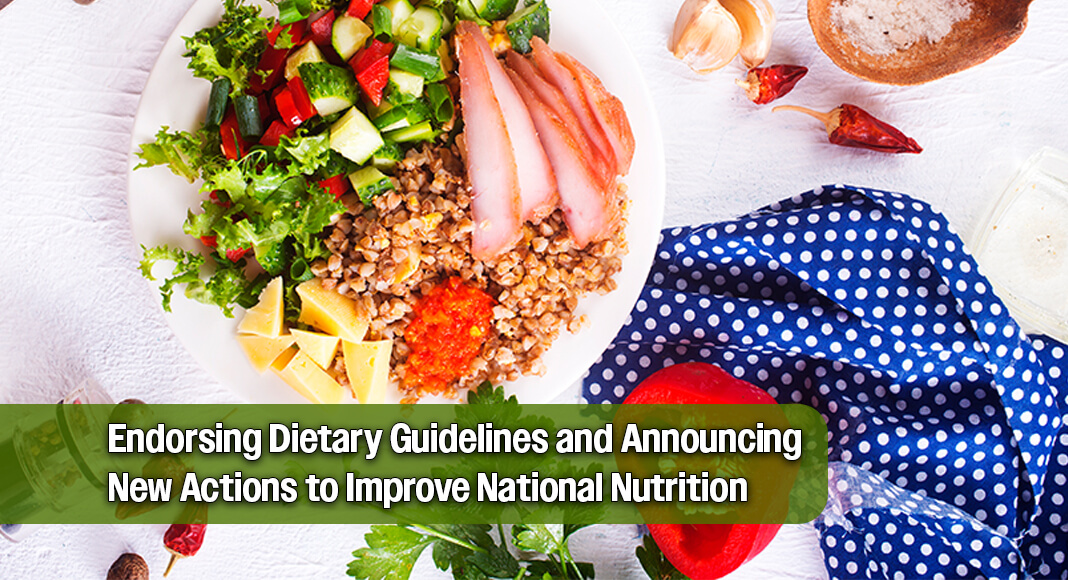
Endorsing Dietary Guidelines and Announcing New Actions to Improve National Nutrition

Translate to Spanish or other 102 languages!

“Today the AMA is making significant commitments to improve clinical competency, deliver educational resources for physicians, and work with Congress to enact meaningful, lasting nutrition change that can improve lives. The AMA is focused on helping physicians translate this science into everyday care and helping patients improve their overall health.” –Bobby Mukkamala, MD, President, American Medical Association" image for illustration purposes
“Today the AMA is making significant commitments to improve clinical competency, deliver educational resources for physicians, and work with Congress to enact meaningful, lasting nutrition change that can improve lives. The AMA is focused on helping physicians translate this science into everyday care and helping patients improve their overall health.” –Bobby Mukkamala, MD, President, American Medical Association” image for illustration purposes
- Advertisement -
Bobby Mukkamala, MD, President, American Medical Association. Courtesy image

“The American Medical Association (AMA) applauds the Administration’s new Dietary Guidelines for spotlighting the highly processed foods, sugar-sweetened beverages, and excess sodium that fuel heart disease, diabetes, obesity, and other chronic illnesses. The Guidelines affirm that food is medicine and offer clear direction patients and physicians can use to improve health.

“Today the AMA is making significant commitments to improve clinical competency, deliver educational resources for physicians, and work with Congress to enact meaningful, lasting nutrition change that can improve lives. The AMA is focused on helping physicians translate this science into everyday care and helping patients improve their overall health.” –Bobby Mukkamala, MD, President, American Medical Association

The AMA will:

- Advertisement -
  1. Launch a curated collection of nutrition education resources and continuing medical education (CME) on the AMA Ed Hub™. Additionally, the AMA will make curated educational resources available through institutional curriculum products that face specific audiences of medical students, residents and fellows, and physicians; 
  2. Convene a series of roundtables with physicians, nutrition experts, and public health leaders to strengthen nutrition education and clinical competency. These efforts–driven by the new Guidelines–should also make it easier for physicians to talk to patients about the role of food in preventing, and even treating, chronic disease; and
  3. Work with Congress to incentivize nutrient dense foods, expand food labeling efforts, define ultra-processed foods, and increase investment in nutrition research.

See related story:

- Advertisement -
- Advertisement -

- Advertisement -

More Articles

Record Participation Showcases STHS’ Ongoing Commitment to Nursing Excellence

Mega Doctor News At the center of every healing journey are nurses,...

Blood Test Predicts Dementia in Women as Many as 25 Years Before Symptoms Begin

Researchers from the University of California San Diego have found that a novel blood-based biomarker can predict a woman’s risk of developing dementia as many as 25 years before symptoms appear.

Why Peanuts Deserve a Place in Your Pantry

Mega Doctor News CLEVELAND CLINIC - March is National Peanut Month. Did you know...

STHS McAllen Reaches 500 Robotic Surgeries in Under a Year

Mega Doctor News As robotic surgery continues to reshape modern healthcare, it...
- Advertisement -

