
Why 2026 Will Reshape Access to GLP-1 Weight Loss Drugs

Translate to Spanish or other 102 languages!

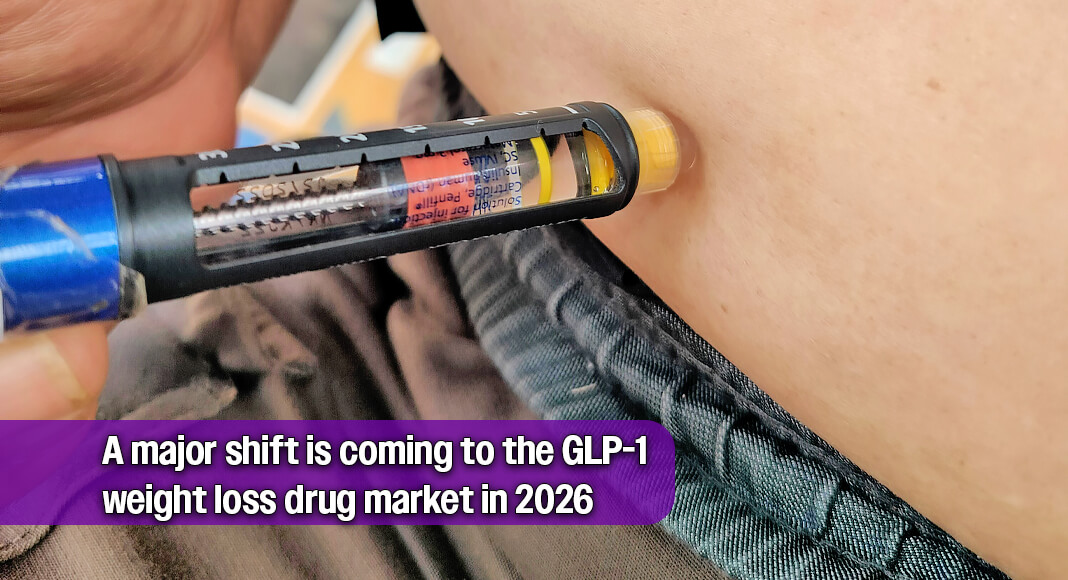
A major shift is coming to the GLP-1 weight loss drug market in 2026 — one that could dramatically change who can access these medications, how they’re taken, and how much they cost. Image for illustration purposes
- Advertisement -

By George Washington University

Newswise — A major shift is coming to the GLP-1 weight loss drug market in 2026 — one that could dramatically change who can access these medications, how they’re taken, and how much they cost.

After years defined by shortages, high prices, and weekly injections, GLP-1 drugs like Wegovy and Zepbound are entering a new era. Oral weight loss pills are arriving, competition is increasing, and cash-pay programs and retailer partnerships are reshaping access for people whose insurance doesn’t cover obesity treatment.

- Advertisement -

What’s changing:

  • First GLP-1 weight loss pill approved: Novo Nordisk’s oral Wegovy is expected to be widely available, with another pill from Eli Lilly likely later this year — offering a needle-free option many patients prefer.
  • Lower prices, more competition: Starting doses of GLP-1 pills are expected to cost as little as $149 a month for cash-paying patients, compared with $349 or more for injections.
  • More powerful injections on the horizon: Lilly’s experimental drug retatrutide produced nearly 29% average weight loss in trials — the highest seen yet — but with higher dropout rates due to side effects.
- Advertisement -

- Advertisement -

- Advertisement -

More Articles

New Noninvasive Tech Tracks Infant Vital Signs Without Wires

In the neonatal intensive care unit, the most fragile patients in medicine are often the most heavily wired. Premature babies, some weighing less than a pound, can be tethered to a tangle of cables, monitors, and sensors. Each blood draw to check sugar levels or electrolytes means another needle, another bandage, another moment of stress for an infant whose skin is still forming.

STHS McAllen Receives National Award for Advancing Cardiac Arrest Care & Improving Patient Survival

In the moments following cardiac arrest, every second counts. Rapid intervention, seamless teamwork and evidence-based care can make the difference between life and death.

The Truth About Hot Dogs and Your Health

July is National Hot Dog Month. Reports show Americans eat roughly 20 billion hot dogs every year. While they’re okay to have on occasion, they shouldn’t be a regular part of your diet.

Study Links Type 2 Diabetes to Higher Risk of Hearing Loss

Diabetes is well known to increase the risk of complications throughout the body, potentially affecting the eyes, kidneys, and nerves. 
- Advertisement -