



Mega Doctor News
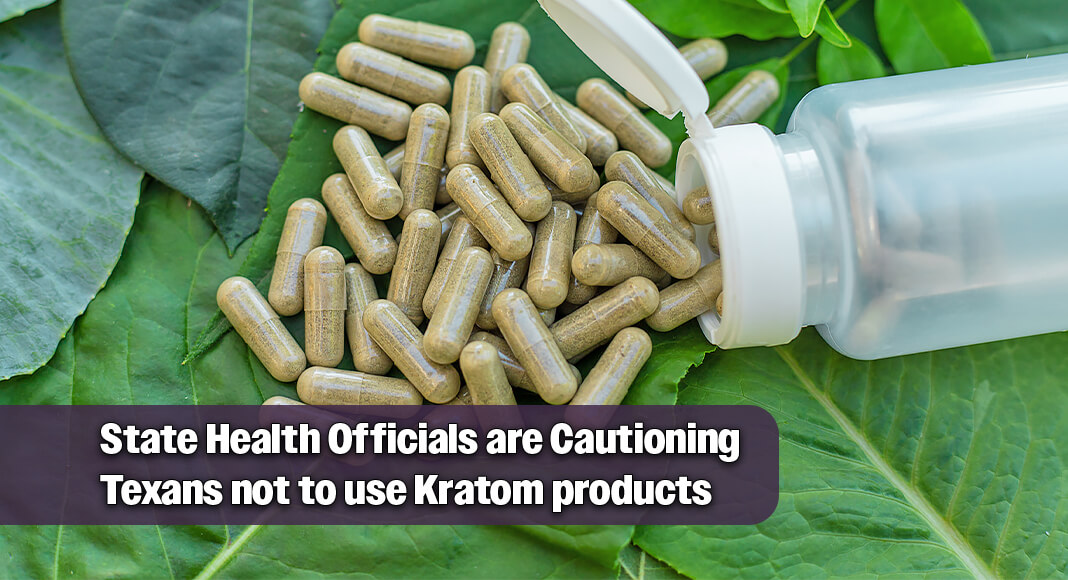
Given a recent spike in people suffering harm from exposures to the opioid-like chemical found in the kratom plant, physicians and state health officials are cautioning Texans not to use the products and offering guidance to help people suffering their ill effects.
“Using kratom is like buying an opioid on the street, with the same risks – and harder to stop using,” said Texas Medical Association (TMA) pain and addiction medicine specialist Michael P. Sprintz, DO, a member of the TMA Committee on Behavioral Health. “Just because something is ‘natural’ or legal does not mean that it is safe.”
Semi-synthetic or synthetic kratom products containing a higher concentration – up to 98% – of the psychoactive compound 7-hydroxymitragynine (7-OH) can cause significant health problems and may have the potential for dependence or abuse. Unsynthesized kratom products typically contain a low concentration of 7-OH, less than 2% the total content.

Often marketed as natural remedies for pain, anxiety, and to ease opioid withdrawal, concentrated 7-OH products are sold at gas stations, smoke shops, and online as pills, gummies, candies, and imitation ice cream cones. Typical 7-OH symptoms, according to the Texas Department of State Health Services (DSHS), include high blood pressure, rapid heart rate, sweating, agitation, confusion, nausea/vomiting, and seizures, among others.
TMA also outlined kratom’s known risks to the Texas Legislature in 2025 in support of a bill to prohibit kratom and other hallucinogenic substances, citing liver toxicity, seizures, and substance use disorders.
Despite kratom not being approved nor regulated by the U.S. Food and Drug Administration, an estimated 1.7 million Americans aged 12 and older used the drug in 2021, TMA testified. “Though the health effects of kratom still need to be further researched, studies so far have also shown risks of addiction and potential long-lasting cognitive and behavioral deficits among adolescents.”
As of late August (the most recent data available), the Texas Poison Center Network had received 192 reports of exposures involving kratom or another product containing 7-OH this year, versus 107 exposures in all of 2024 and 122 in all of 2023. Of 19 patients reporting exposure to concentrated 7-OH products in 2025, 11 required treatment at a health care facility, DSHS reported in its health alert.
People might turn to kratom to treat pain conditions, but Dr. Sprintz says they must understand there are huge risks in buying and taking a drug that has no regulation on how it is made or how potent it is.
“When someone uses kratom and its metabolites like 7-OH for a period of time, they develop dependence so if they suddenly try to stop using kratom, they will go into withdrawal,” said Dr. Sprintz. They suffer from opioid-type withdrawal, but also the kind of withdrawal that happens when people suddenly stop using certain antidepressants.
“My recommendation to the public is not to start using kratom because it is not safe to use and does cause dependence,” he said “Additionally, the dose of active drug is variable, so the overdose risk is high.”
TMA is the largest state medical society in the nation, representing more than 59,000 physician and medical student members. It is located in Austin and has 110 component county medical societies around the state. TMA’s key objective since 1853 is to improve the health of all Texans.
Information Source: TMA