




Mega Doctor News

By American Academy of Sleep Medicine (AASM)
Newswise – Social media trends have become increasingly influential, even changing bedtime routines and sleep habits for many Americans. According to a 2025 survey from the American Academy of Sleep Medicine, 56% of U.S. adults have tried one of this year’s viral social media trends related to sleep.
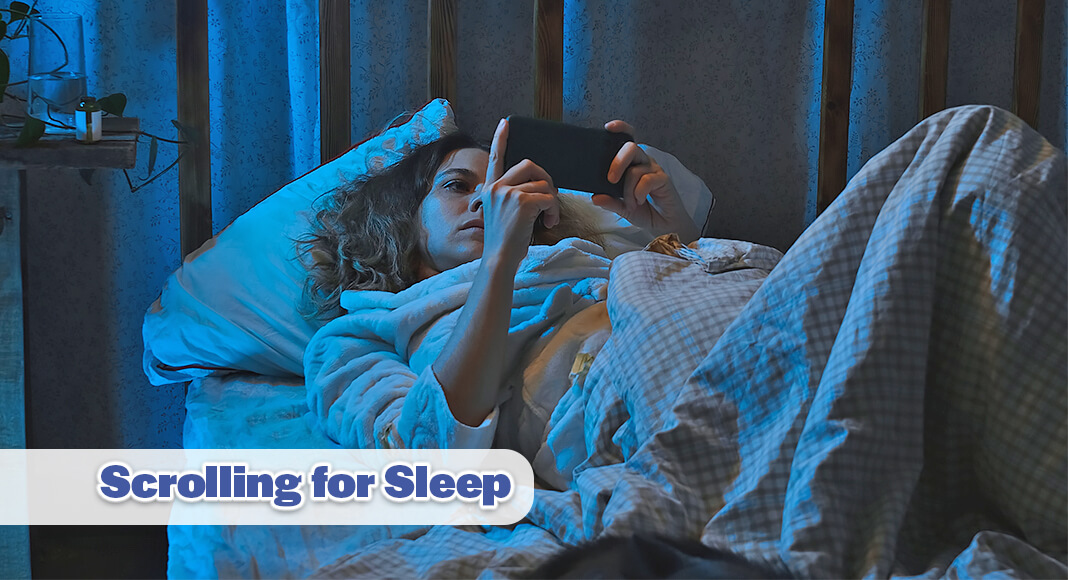
“Bed rotting,” which is defined as staying in bed for extended periods of time, is popular among Gen Z, with almost one-third (31%) of people in that age group claiming to have tried it. The practice reflects a generational difference, with only 5% of U.S. adults 65 and over saying they have tried “bed rotting.”

“Staying in bed for long periods of time for activities other than sleep may hurt sleep health, and potentially mental health,” said Dr. John Saito, a sleep medicine physician and spokesperson for the AASM. “If you retire to your bed to ‘rot’ away anxiety or daily challenges, it can cause negative thoughts and emotions to fester and potentially worsen over time.”
| Other popular sleep trends on social media that have influenced individual sleep habits include: |
| Practicing mindfulness, meditation or breathwork (27%) |
| “Sleepmaxxing,” the investment in products and strategies to optimize sleep quality (12%) |
| Sleeping in 90-minute increments (12%) |
| Mouth taping (7%) |
Another trend gaining traction is the use of magnesium, popularized with the “sleepy girl mocktail” and its purported ability to improve sleep. In 2025, 19% of U.S. adults reported taking magnesium to aid sleep, compared to 9% in 2024. Despite its growing use, there is little research on magnesium supplements for insomnia and other sleep disorders.
“Social media can be a great tool to expand knowledge on health, but online trends can sometimes be more distracting than helpful in the quest for healthy sleep,” Saito noted. “The most important attributes of a healthy sleep routine are keeping a consistent sleep schedule, having a cool, comfortable environment, and getting at least seven hours of sleep per night.”
The AASM recommends that adults get seven or more hours of sleep a night for optimal health and safety.
For more information, or to find a local AASM-accredited sleep center, please visit sleepeducation.org.
View 2025 AASM Sleep Prioritization Survey results in the AASM newsroom.
###
About the Survey
The American Academy of Sleep Medicine commissioned an online survey of 2,007 adults in the U.S. The overall margin of error fell within +/- 2 percentage points with a confidence interval of 95 percent. Fieldwork took place between June 5-13, 2025, by Atomik Research, an independent market research agency.
About the American Academy of Sleep Medicine
Established in 1975, the AASM is a medical association that advances sleep care and enhances sleep health to improve lives. The AASM membership includes more than 9,500 physicians, scientists, and other health care professionals who help people who have sleep disorders. The AASM also accredits 2,300 sleep centers that are providing the highest quality of sleep care across the country (aasm.org).