







Mega Doctor News

Texas Medical Association
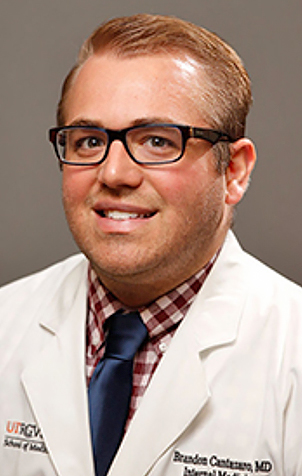
Brandon Cantazaro, MD, calls diabetes a silent disease. Many people don’t realize they are living with it until they have serious complications, often starting with loss of feeling in their limbs due to nerve damage.
“The burden of the disease is profound,” says the internist and member of the Texas Medical Association’s (TMA’s) Council on Health Promotion. He practices in the Rio Grande Valley, which has some of the highest diabetes rates in the country at one in four people – 26% – compared with just under 12% nationally.

This National Diabetes Awareness month, TMA physicians are reminding Texans about the dangers of undiagnosed or unmanaged diabetes. Over 38 million people in the U.S. – including 2.9 million in Texas – live with the disease. More than one in 10 (12.7%) Texans have diabetes. About 90% have type 2 diabetes – which causes a spike in blood sugar levels and can lead to serious health problems.
San Antonio wound care specialist and TMA President Jayesh “Jay” Shah, MD, sees those serious problems. His patients have “some of the most unfortunate end-stage complications of diabetes, like end-stage kidney disease, having no circulation in the limbs, patients getting amputations, and patients having trouble with healing.”
Diabetes’ damage is often hidden until it becomes very serious.
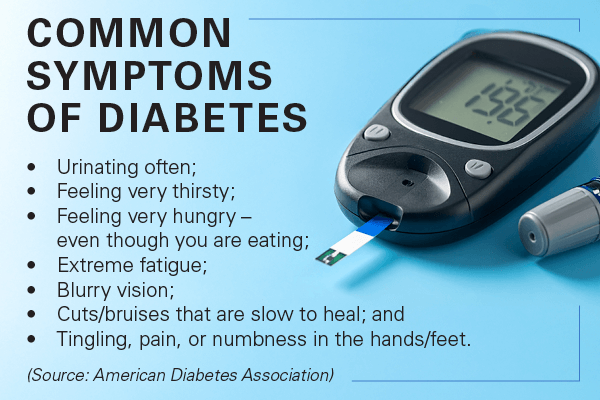
“A lot of those patients don’t know they have a cut on their foot,” said Dr. Cantazaro. “There will be nerve damage to where they will not have sensation.”
For many patients living with diabetes, that cut also won’t heal due to poor blood circulation.
“A lot of these patients are young with a young family, and it really is very devastating for these families to have their breadwinner getting disabled because of diabetes,” Dr. Shah added.
Both Drs. Shah and Cantazaro say people who are overweight, have a family history of diabetes, or belong to an ethnicity that has a higher risk for the disease should speak with a physician and get tested.
Diabetes can also occur and be diagnosed during pregnancy. Gestational diabetes affects up to 9% of pregnancies every year in the U.S. Patients can manage the condition by seeing a physician for screening and a treatment plan.
While type 2 diabetes can cause many health complications, patients may be able to avoid them with lifestyle changes and seeking a physician’s care.
“Having the discipline of making sure you are following a healthy diet, you are taking the medication as prescribed by your doctor, and you are exercising, you can control diabetes and even reverse some of the conditions,” said Dr. Shah.
“You can start making small changes over time, little by little,” Dr. Cantazaro advises his patients.
He described one patient with diabetes who said they drink multiple sugar-filled soft drinks each day. He asked the patient to skip a few of the drinks every day, advocating for a gradual and sustainable approach to help his patient bring down their blood sugar levels.
He also spoke of a younger patient with high blood-sugar levels who pledged to make changes to her everyday life to manage her diabetes. She started walking regularly, monitored the portion sizes of her food, and took her prescribed medication. After several months, she had significantly lowered her blood-sugar levels and reduced the risk of diabetes-related complications.
Managing diabetes by yourself can be overwhelming, said Dr. Cantazaro, but “it is not your identity. With support and small lifestyle changes, you can live a long, healthy, and active life.”
TMA is the largest state medical society in the nation, representing more than 59,000 physician and medical student members. It is located in Austin and has 110 component county medical societies around the state.


