
Mega Doctor News

By American Diabetes Association
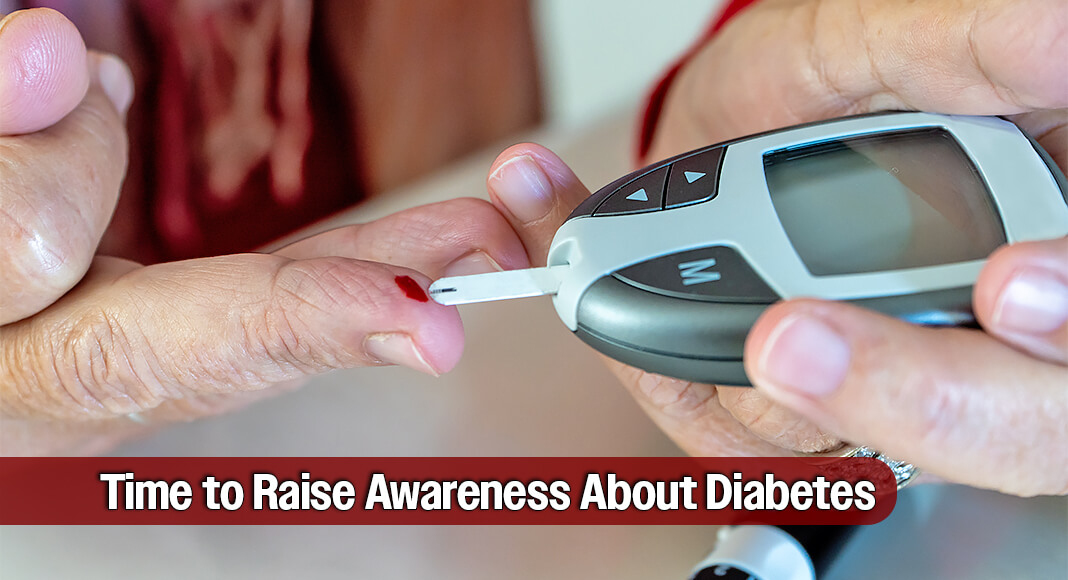
November is American Diabetes Month®, a time to raise awareness about diabetes and join together in the work for a cure. Diabetes is one of the fastest growing chronic diseases in the world. Nearly one in two Americans has diabetes or prediabetes.
2025 marks the 85th year of the American Diabetes Association® (ADA), and while there have been extraordinary advancements in diabetes knowledge, treatment, and care, there remains more to be done to prevent and cure diabetes and to improve the lives of all people affected by the disease.

“Looking back at the progress made over the last 85 years, you can see how every learning, every policy shift, every moment spent in pursuit of a cure helped get to where we are today. It all mattered— and it still does as we continue toward a future free from diabetes and all its burdens,” said Charles “Chuck” Henderson, the ADA’s chief executive officer.
This November, the ADA will be taking to screens both big and small, encouraging everyone to gather hope and join the fight to end diabetes in whatever way they can. A public service announcement will run ahead of big holiday blockbusters at AMC, Cinemark, and Regal cinemas, as well as regional and smaller theaters across the country. Throughout the month on the ADA’s social media channels, people will find inspirational stories, opportunities for community, resources, and encouragement in the fight.
Whether it’s donating, sharing your story and spreading awareness about diabetes, or joining an event in person, every contribution keeps the momentum going.
Information source: American Diabetes Association
About the American Diabetes Association
The American Diabetes Association (ADA) is the nation’s leading voluntary health organization fighting to end diabetes and helping people thrive. This year, the ADA celebrates 85 years of driving discovery and research to prevent, manage, treat, and ultimately cure diabetes—and we’re not stopping. There are 136 million Americans living with diabetes or prediabetes. Through advocacy, program development, and education, we’re fighting for them all. To learn more or to get involved, visit us at diabetes.org or call 1-800-DIABETES (800-342-2383). Join us in the fight on Facebook (American Diabetes Association), Spanish Facebook (Asociación Americana de la Diabetes), LinkedIn (American Diabetes Association), and Instagram (@AmDiabetesAssn). To learn more about how we are advocating for everyone affected by diabetes, visit us on X (@AmDiabetesAssn).