










Signs of Anxiety and Depression in Children

Translate to Spanish or other 102 languages!

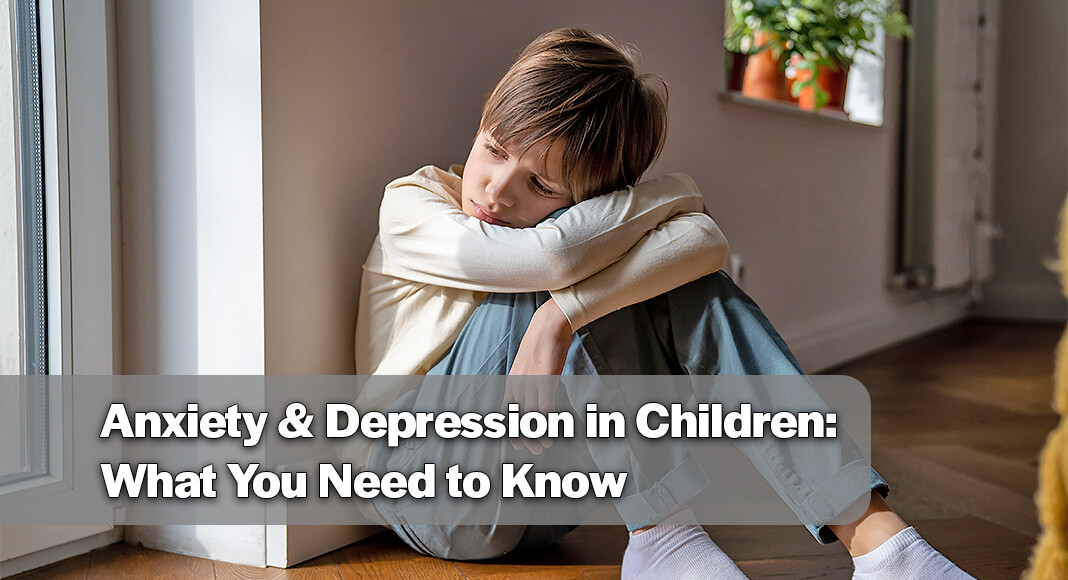
October 10th marks World Mental Health Day. Everyone feels sad or worried from time to time – including kids. Image for illustration purposes
- Advertisement -

CLEVELAND CLINIC – October 10th marks World Mental Health Day.
Everyone feels sad or worried from time to time – including kids.

But how can parents tell when it’s something more serious?

“Are they no longer engaging in the things that they want to do, or the things that they need to do, or maybe they’re still doing their homework, but the product that they’re producing isn’t what they’re used to. And so, we look for those changes in behavior,” said Kate Eshleman, PsyD, child psychologist at Cleveland Clinic Children’s.


- Advertisement -

Dr. Eshleman said other warning signs include increased crying, irritability or anger.

Physical complaints – like frequent headaches or stomach aches – can be red flags too.

If you notice an increase in physical or emotional symptoms, she suggests calmly asking your child about them.

“I think it’s always important to approach with curiosity, so ask open-ended questions. How are you feeling? How did you feel about that? And then, you know, kind of pare down if you feel like you need to,” she said.

- Advertisement -

Dr. Eshleman said mood concerns are common in children and teens and supporting them through it is important.If your child isn’t opening up 

- Advertisement -
- Advertisement -

- Advertisement -

More Articles

Tick Bites & Arterial Plaque: The Alpha-Gal Link

Researchers are investigating whether the immune response underlying the condition, alpha-gal syndrome, may contribute to plaque buildup in the arteries.

Lifting Weights Shown Safe for Arrhythmogenic Cardiomyopathy Patients

People living with arrhythmogenic cardiomyopathy (ACM), a heritable heart condition that can significantly increase risks for sudden cardiac death, are advised to avoid high-intensity aerobic exercise. However, questions remain about whether higher-intensity strength training, which affects the heart differently from endurance exercise, could be less risky.

Essential Tips for Dealing with an Empty Nest

Are you a parent whose child recently left home for college or another adventure? If so, you may be dealing with empty nest syndrome.

Texas Releases Its First-Ever Official Nutrition Guidelines 

The Texas Nutrition Advisory Committee published the first nutritional guidelines created by Texans for Texans.
- Advertisement -

