

How Protein Can Help Us Stay Sharp As We Age

Translate to Spanish or other 102 languages!

When it comes to staying sharp as we age, there are many factors that can play a role – including what we eat. Image for illustration purposes
- Advertisement -

CLEVELAND CLINIC – When it comes to staying sharp as we age, there are many factors that can play a role – including what we eat. 

As Sandra Darling, DO, who specializes in lifestyle medicine at Cleveland Clinic explains, it’s especially important to make sure we’re getting enough protein. 

“Protein is one of the macronutrients that we need to maintain muscle. There’s research showing that when people consume an adequate amount of protein as we age, it can actually protect our brain health and it can slow cognitive decline that occurs naturally as we age,” said Dr. Darling.

- Advertisement -

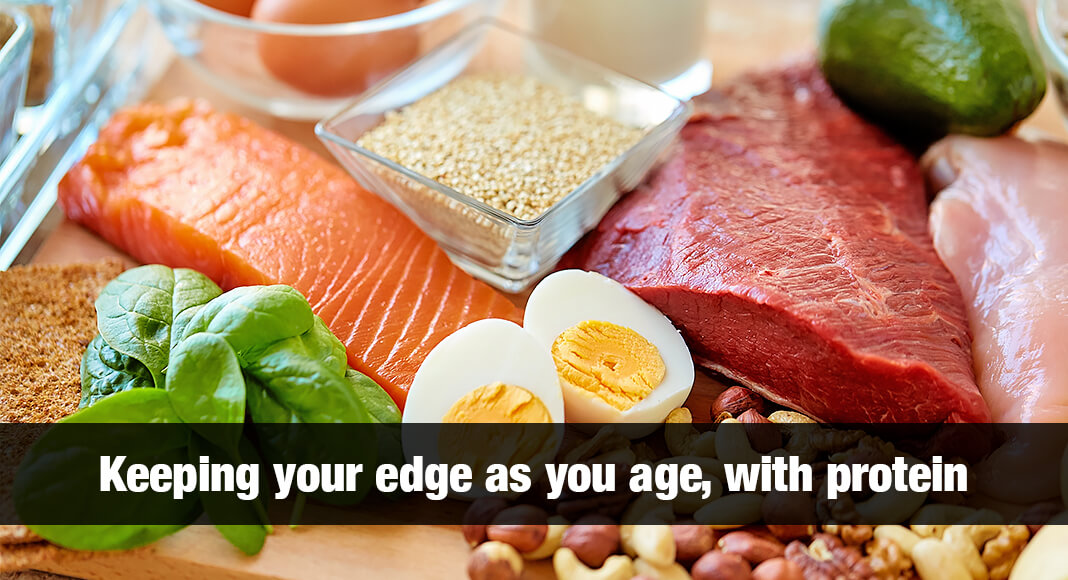
She said protein can be found in all kinds of foods, including meat, cheese, eggs, fish, beans, lentils, nuts and seeds. 

So how much protein should we be eating on a daily basis? 

For adults, about one gram of protein per kilogram of body weight is recommended up until the age of 65. 

After that, it should be increased to 1.2 grams. 

- Advertisement -

And while it may be tempting to only get your protein from foods like meat and cheese, you should look at plant-based sources too. 

They contain more fiber and other vital nutrients. 

“One other tip, we need to consume that amount of protein per day but specifically divided among three meals. So, people tend to increase their protein intake in the evening. For example, eating meat with dinner. But it’s better for our health and for maintaining muscle mass to divide up that total protein among three meals per day.”

Dr. Darling adds that protein bars and protein powders are okay to consume on occasion. 

However, since they often contain sweeteners and other additives, it’s best to get your protein from whole foods. 

- Advertisement -
- Advertisement -

- Advertisement -

More Articles

New Noninvasive Tech Tracks Infant Vital Signs Without Wires

In the neonatal intensive care unit, the most fragile patients in medicine are often the most heavily wired. Premature babies, some weighing less than a pound, can be tethered to a tangle of cables, monitors, and sensors. Each blood draw to check sugar levels or electrolytes means another needle, another bandage, another moment of stress for an infant whose skin is still forming.

The Truth About Hot Dogs and Your Health

July is National Hot Dog Month. Reports show Americans eat roughly 20 billion hot dogs every year. While they’re okay to have on occasion, they shouldn’t be a regular part of your diet.

Study Links Type 2 Diabetes to Higher Risk of Hearing Loss

Diabetes is well known to increase the risk of complications throughout the body, potentially affecting the eyes, kidneys, and nerves. 

Researchers Unlock New Way to Help Fight Skin Cancer

Researchers at the UNC School of Medicine and UNC Lineberger Comprehensive Cancer Center have identified a potential solution. In a new study published in the Journal of Clinical Investigation, researchers have found that by inhibiting a problematic protein, the immune system can better fight off melanoma, decreasing tumor growth and bolstering the body’s immune cells.
- Advertisement -