








loader image
Thursday, February 5, 2026
72 F
McAllen
- Advertisement -

The Connection Between Sleep and Hunger

Translate to Spanish or other 102 languages!

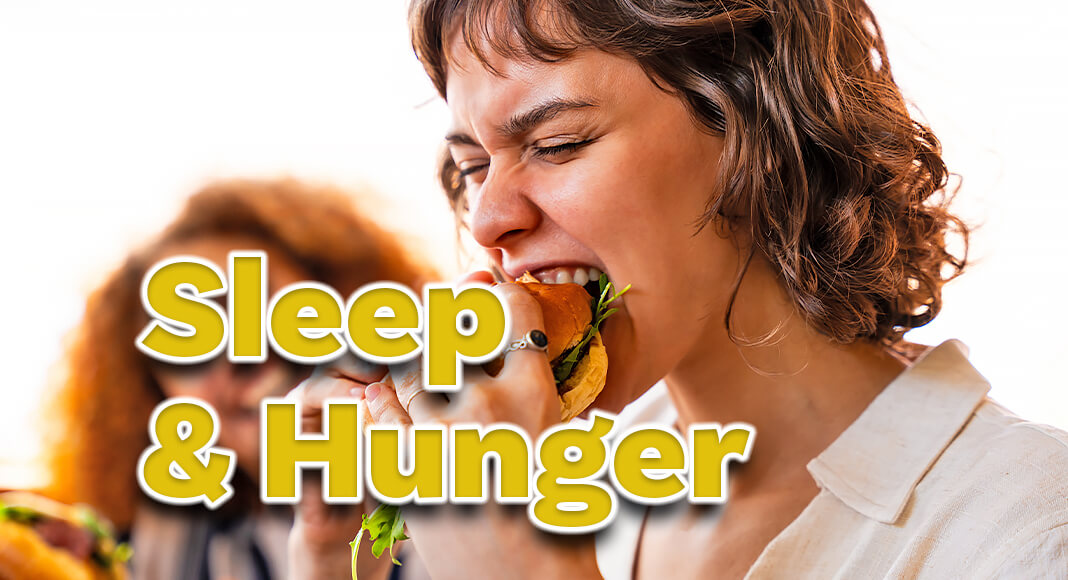
But not getting a good night’s rest can have you feeling more than just tired and groggy – it can also make you hungrier. Image for illustration purposes
- Advertisement -

CLEVELAND CLINIC – Many of us struggle to get enough sleep and find ourselves paying for it the next day.

But not getting a good night’s rest can have you feeling more than just tired and groggy – it can also make you hungrier.

“Sleep regulates the release of hormones, and some of those hormones include the appetite hormones,” explained Nancy Foldvary, DO, a sleep specialist for Cleveland Clinic.

- Advertisement -

When we’re sleep deprived, Dr. Foldvary said our appetite hormones get thrown off and may make us eat more the next day.

Not only that, but we also tend to crave more unhealthy foods when we’re tired.

Dr. Foldvary said this is one of the many reasons why getting a good night’s rest is key to our overall health.

If you’re having trouble sleeping, it’s important to create a regular nighttime routine and aim to wake up at the same time each day.

- Advertisement -

Dr. Foldvary added that avoiding an afternoon cup of coffee can help as well.

“Caffeine can have a widely variable half-life. It can linger in the central nervous system far beyond what you might expect. Some of us are sensitive to this and really can’t have caffeine beyond early morning,” Dr. Foldvary said. “Certainly, drinking caffeine or eating foods with caffeine in them, including chocolate, after noon or 2 p.m. is likely to lead to some sleep fragmentation.”

If you continue to toss and turn at night, Dr. Foldvary recommends seeing a sleep specialist for help and to rule out any underlying sleep disorders.

- Advertisement -
- Advertisement -

- Advertisement -

More Articles

FDA Updates Guidance on “No Artificial Colors” Labels as Natural Options Expand

The U.S. Food and Drug Administration took additional steps to support the transition of our nation’s food supply from the use of artificial petroleum-based colors to alternatives derived from natural sources. Companies will now have flexibility to claim products contain ‘no artificial colors’ when the products do not contain petroleum-based colors. In the past, companies were generally only able to make such claims when their products had no added color whatsoever — whether derived from natural sources or otherwise

Patients Get More Control as Health Spending Accounts Begin Covering Direct Primary Care

Mega Doctor News Texas Medical Association (TMA) Patients who see physicians in direct...

What Women Need to Know About Heart Disease: Insights From a Mayo Clinic Expert

Mega Doctor News By Deb Balzer / Mayo Clinic News Network Heart disease affects women differently...

How Self‑Checks Can Help You Spot Health Problems Early

Self-checks are extremely important when it comes to not just early cancer detection but identifying other illnesses too. 
- Advertisement -
×
