








Why You Shouldn’t Skip the Flu Vaccine

Translate to Spanish or other 102 languages!

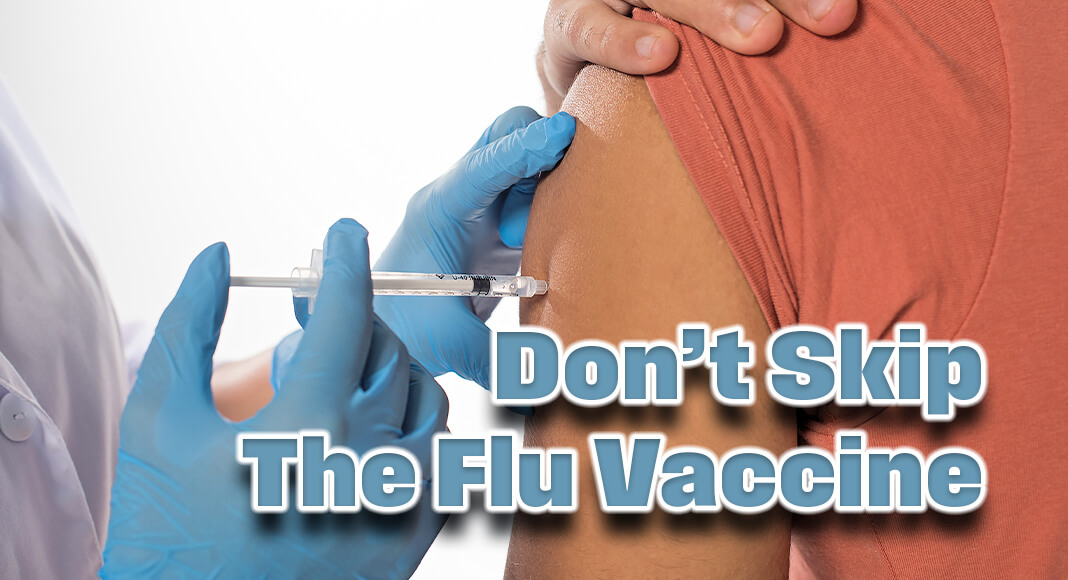
If you haven’t gotten your flu vaccine yet, now is a good time to do so – especially as family and friends come together for the holidays. Image for illustration purposes
- Advertisement -

CLEVELAND CLINIC – It’s National Influenza Awareness Week.

If you haven’t gotten your flu vaccine yet, now is a good time to do so – especially as family and friends come together for the holidays.

“You may be surrounded by people who are older or younger or can’t receive the vaccines and are actually immunocompromised, so it’s really important to protect not only yourself but your loved ones,” explained Neha Vyas, MD, family medicine physician for Cleveland Clinic.

- Advertisement -

Dr. Vyas said the flu vaccine can also help reduce the severity of symptoms if you do end up getting sick.

According to the CDC, the vaccine is recommended for anyone six months and older.

Side effects are generally mild and short-lived, if you do experience any.

They may include soreness at the injection site, fever, fatigue, muscle aches and headache.

- Advertisement -

“In addition to immunizing yourself and your loved ones, it’s important that you make sure you cover your cough, or if you’re not feeling well, be sure to wear a mask,” advised Dr. Vyas. “It’s also important that you wash your hands before you touch your face or before you eat, and ensure that all high touch surfaces such as doorknobs, kitchen sinks, and faucets are cleaned regularly with a sanitizing or disinfecting wipe.”

Dr. Vyas said besides the flu vaccine, the public should also get vaccinated for COVID-19, pneumonia and RSV, if eligible.


- Advertisement -
- Advertisement -

- Advertisement -

More Articles

New $2.5 Million Funding Boosts Stroke Care Access

Governor Greg Abbott announced $2.5 million in grant funding for hospitals to increase access to lifesaving stroke care through mobile stroke units.

DHR Health Encourages Community to Recognize the Signs of Stroke

The DHR Health Neuroscience Institute is urging the community to learn vital stroke prevention and response strategies. According to the Centers for Disease Control and Prevention (CDC), stroke remains a leading cause of death and disability worldwide.

TMA’s Prescription for Texas Lawmakers

To curb rising health care costs, physicians say Texas must reduce administrative waste, preserve meaningful coverage, and scrutinize market structures that reward consolidation and higher-cost settings.

How Dreaming Under Anesthesia Helps Ease Surgery Anxiety

A new study suggests anesthesiologists may be able to safely increase the likelihood that patients dream during surgery — and that those dreams are typically positive, calming and associated with a better overall surgical experience.
- Advertisement -
