






Mega Doctor News
By American Society of Anesthesiologists (ASA)
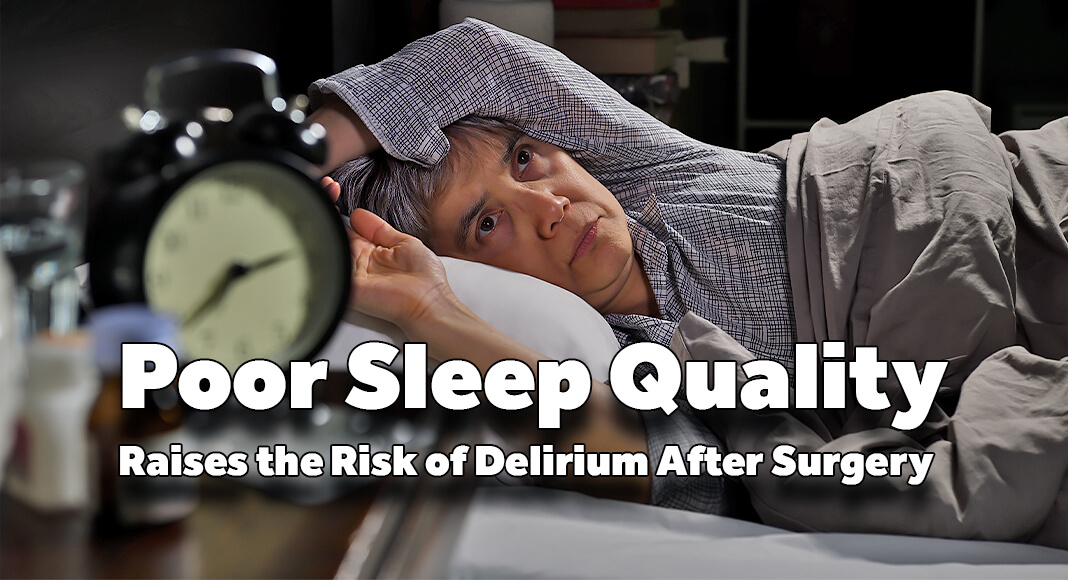
Newswise — PHILADELPHIA — People who experience poor sleep in the month before surgery may be more likely to develop postoperative delirium, according to new research being presented at the ANESTHESIOLOGY® 2024 annual meeting.
Postoperative delirium is a change in mental function that can cause confusion and occurs in up to 15% of surgical patients. In certain high-risk patients, such as those with hip fractures, the incidence can be even higher. It is a significant complication in older adults. Pain, age, stress, anxiety and insomnia are known to contribute to the risk for postoperative delirium. The researchers believe this study is the first to assess sleep quality before surgery as it relates to postoperative delirium.

“Good sleep quality before surgery is crucial for the recovery period,” said Faegheh Miryousefiata, M.D., MPH, lead author of the study and clinical researcher at the Cleveland Clinic Foundation Outcomes Research Consortium. “People may not get good sleep because they are nervous right before surgery, but it is really important to get the best sleep possible, especially for those over 65, who are at greater risk for postoperative delirium.”
The study included 150 patients having general anesthesia for non-cardiac surgeries, mostly abdominal and gynecologic procedures, of more than two hours. The day before the surgery, the researchers had the patients assess their sleep quality using the Pittsburgh Sleep Quality Index (PSQI), which evaluates sleep duration, disturbance, efficiency and overall quality, length of time to fall asleep, daytime dysfunction due to sleepiness and use of sleep medication. Scores for each category range from 0 (no difficulty) to 3 (severe difficulty), with total scores ranging from 0 to 21. A score of 5 or above indicated poor sleep. After surgery, they assessed postoperative delirium using the Intensive Care Unit Confusion Assessment Method (ICU-CAM) and the Three-minute Diagnostic Confusion Assessment Method (3D-CAM). They checked patients’ hospital records for three days after surgery for postoperative delirium.
Researchers determined:
- 44 patients had poor sleep and 11 of those (25%) experienced delirium
- 106 patients had good sleep and 19 of those (17.9%) experienced delirium
- When comparing all patients who experienced delirium, there was a 39.66% higher rate of delirium among those who had poor sleep, compared to those who had good sleep
“Doctors should make it their mission to let patients know it’s important to get good sleep before surgery to protect their brains, as well as provide some tips,” said Yasin Tire, M.D., senior author of the study and an anesthesiologist at Konya City Hospital, University of Health Science, Konya, Turkey.
To improve sleep quality in general, as well as before surgery, the researchers recommend:
- Going to bed and waking up at the same time every day
- Creating a bedtime ritual, such as reading a book, taking a warm bath or practicing relaxation techniques
- Keeping the bedroom cool, dark and quiet
- Avoiding phones, tablets and computers at least an hour before bed
- Staying active during the day, but not exercising too close to bedtime
- Using stress-management techniques such as mindfulness or deep breathing
*** ANESTHESIOLOGY 2024 news releases may contain updated data that was not originally available at the time abstracts were submitted.
THE AMERICAN SOCIETY OF ANESTHESIOLOGISTS
Founded in 1905, the American Society of Anesthesiologists (ASA) is an educational, research and scientific society with more than 58,000 members organized to advance the medical practice of anesthesiology and secure its future. ASA is committed to ensuring anesthesiologists evaluate and supervise the medical care of all patients before, during and after surgery. ASA members also lead the care of critically ill patients in intensive care units, as well as treat pain in both acute and chronic settings.
For more information on the field of anesthesiology, visit the American Society of Anesthesiologists online at asahq.org. To learn more about how anesthesiologists help ensure patient safety, visit asahq.org/madeforthismoment. Join the ANESTHESIOLOGY® 2024 social conversation today. Like ASA on Facebook, follow ASALifeline on X and use the hashtag #ANES24.