Mega Doctor News
- Advertisement -


| KEY POINTS |
| There are many things you can do to manage arthritis symptoms. |
| The things you do to manage your condition and stay healthy are called “self-management” or “self-care.” |
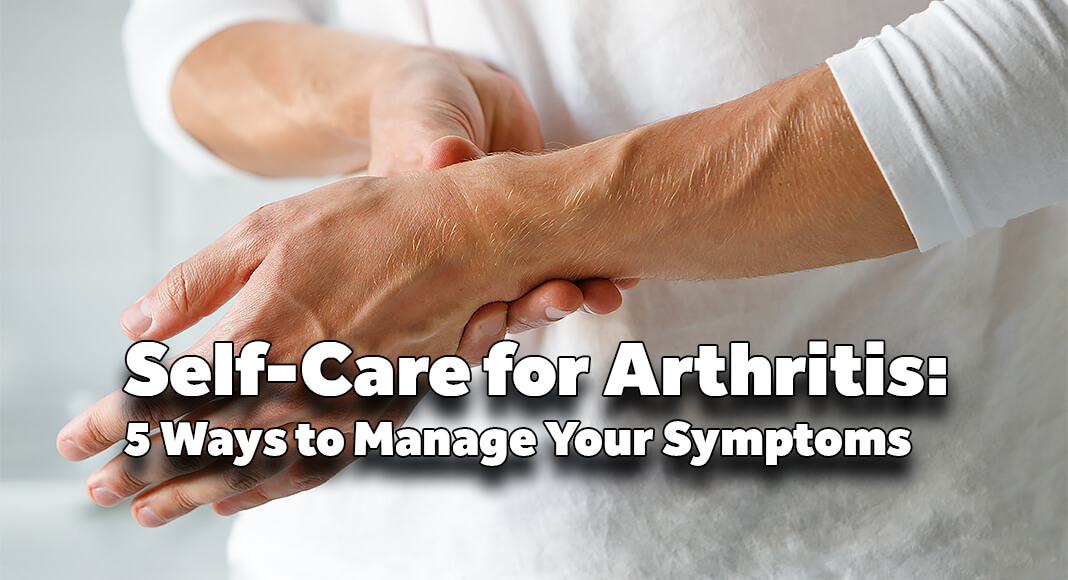
| Here are five of the most effective things you can do—without medicine—to control arthritis pain and symptoms. |
Why it matters
Managing arthritis can help relieve your symptoms so you can do the activities that are important to you. It can also help you manage other chronic conditions you may have, such as diabetes, heart disease, or obesity.
- Advertisement -
Follow these five key steps to manage your arthritis:
1. Learn the skills you need to manage arthritis
- Learn the skills you need and gain confidence to manage your condition.
- There are low-cost self-management education workshops (about $25–$35) across the country.
- These workshops can help you learn to manage pain, exercise safely, and gain control of your arthritis.
2. Be active
- Research shows physical activity for arthritis:
- Reduces pain.Improves physical function.
- Delays physical limitations that can be caused by arthritis.
- All adults, including those with arthritis, should try to get at least 150 minutes (2.5 hours) each week of moderate physical activity, such as fast walking or bicycling.
Meeting the recommended guidelines
- Advertisement -
- You can make it easier to get the recommended (150 minutes a week of) physical activity by:
- Choosing activities that you enjoy.
- Breaking it up into small chunks—for example, 30 minutes a day, 5 days a week.
- Taking personal or group exercise programs.
- If you are not able to meet the recommendation, be as active as you can. Even small amounts of physical activity can have some health benefits.
- Learn about CDC-recognized physical activity programs for people with arthritis.
Get started on Walk With Ease
Walk With Ease is a CDC-recognized program that can help you increase your physical activity safely and comfortably. Register for a free copy of the guidebook (for U.S. residents) to get started at your own pace.
3. Keep a healthy weight
- Keeping a healthy weight can help slow arthritis symptoms from getting worse so you can keep doing the activities you enjoy.
- For adults who have overweight or obesity, even a small amount of weight loss can help reduce arthritis-related pain and disability.
- Even a 5%, or 12-pound loss, for a 250-pound person can help.
See your health care provider
- If you have arthritis (especially inflammatory arthritis), it is important that a health care provider detect it early.
- Health care providers can recommend physical activity and other ways to manage arthritis without medicine so you can maintain a good quality of life.
- If medicines are needed to help you cope with symptoms, health care providers can prescribe them.
- This may be the case with rheumatoid arthritis and other arthritis conditions.
5. Protect your joints
- Avoiding injuries to joints can reduce the chances of getting osteoarthritis or making it worse.
- Doing sports or jobs that have repetitive motions, such as repeated knee bending, put people at higher risk for this type of arthritis.
- Check out these resources for tips on how to prevent joint injuries at work, in sports, and from falls:
- About Managing Your Arthritis with Physical Activity
- Physical Activity and Self-Management Programs for Arthritis
- Physical Activity Guidelines for Americans, 2nd Edition
- About Arthritis-Appropriate, Evidence-Based Interventions (AAEBIs)
Information Source: CDC
- Advertisement -