








Swimming Safety Tips to Keep in Mind

Translate to Spanish or other 102 languages!

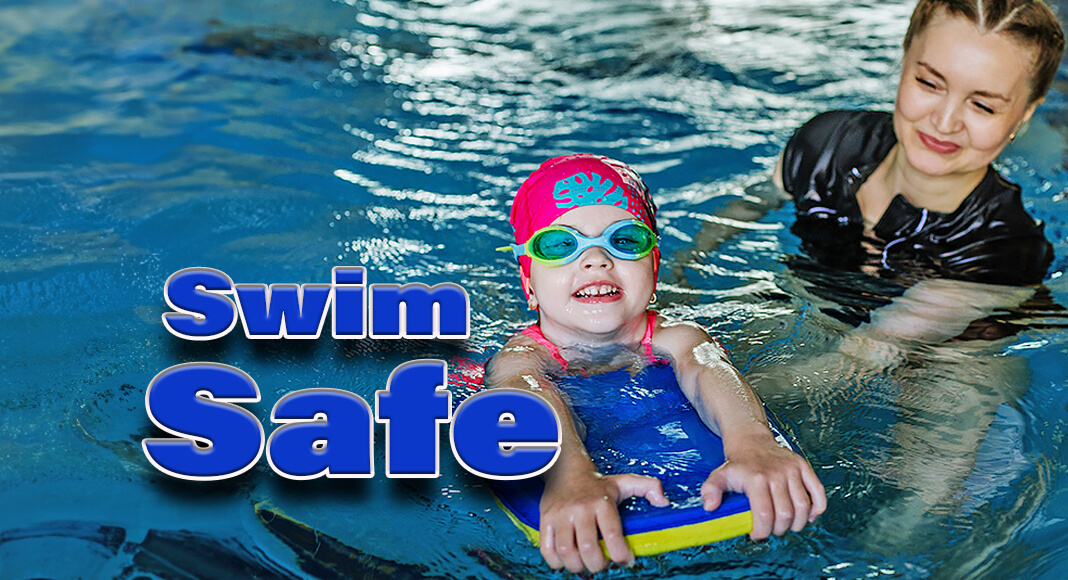
“There should be an adult water watcher within arm’s length of your kids while they’re at any public pool or even any personal pool,” said Richard So, MD, pediatrician for Cleveland Clinic Children’s. Image for illustration purposes
- Advertisement -

CLEVELAND CLINIC – Many pools will be reopening this Memorial Day.

And if you’re planning to take your little ones swimming, there are some safety tips parents should keep in mind.

“There should be an adult water watcher within arm’s length of your kids while they’re at any public pool or even any personal pool,” said Richard So, MD, pediatrician for Cleveland Clinic Children’s.

- Advertisement -

Dr. So said it only takes a second for an accident to happen.

According to the CDC, more children ages one to four years old die from drowning than any other cause of death.

To help avoid that kind of tragedy, it’s recommended that children take swimming lessons by the age of four.

Or even earlier if they live near a pool or pond or have a boat.

- Advertisement -

When it comes to lifejackets, those should be Coast Guard approved.

Dr. So said for anyone who owns a pool, it’s important to make sure they’re fenced in and have a working alarm on the gate.

That way if your child does somehow sneak out, you’ll be alerted.

“Besides swimming lessons to protect your child, I think everyone who owns a pool should have at least have an adult who knows CPR,” he said. “You can go to your local American Red Cross, and you can take an easy basic life-saving classes. If you have a pool, it comes up with a lot of responsibility. You’ve got to have a fence, and someone needs to know CPR.”

Don’t forget to wear plenty of sunscreen this summer.

Doctor So said sunscreen should be reapplied every two hours and even sooner if your child is swimming and it washes off.


- Advertisement -
- Advertisement -

- Advertisement -

More Articles

DHR Health Launches Support Group for Heart Health and Healing

If you have undergone open-heart surgery and are looking to connect with others who understand the recovery journey, the DHR Health Cardiac and Open-Heart Support Group invites you to attend its monthly meetings.

Mayo Clinic Q&A: Heartburn or heart attack? How to tell the difference

Many people worry that heartburn-like symptoms could be a heart attack — and that concern is understandable.

AI-Powered Blood Test Successfully Detects Liver Cancer

Researchers at the Johns Hopkins Kimmel Cancer Center validated an artificial intelligence (AI)-powered blood test that accurately detected liver cancer in people from two geographically and biologically distinct populations and also uncovered the underlying biological signals that make the test effective.

Updated Level IV Trauma Center Standards Announced by ACS

The American College of Surgeons Committee on Trauma (ACS COT) has released new standards for Level IV trauma centers. The new resource, Resources for Optimal Care of the Injured Patient: Level IV Trauma Center Standards (2026), can help Level IV trauma centers assess capabilities, identify improvement opportunities, and strengthen trauma care delivery. 
- Advertisement -
