Mega Doctor News

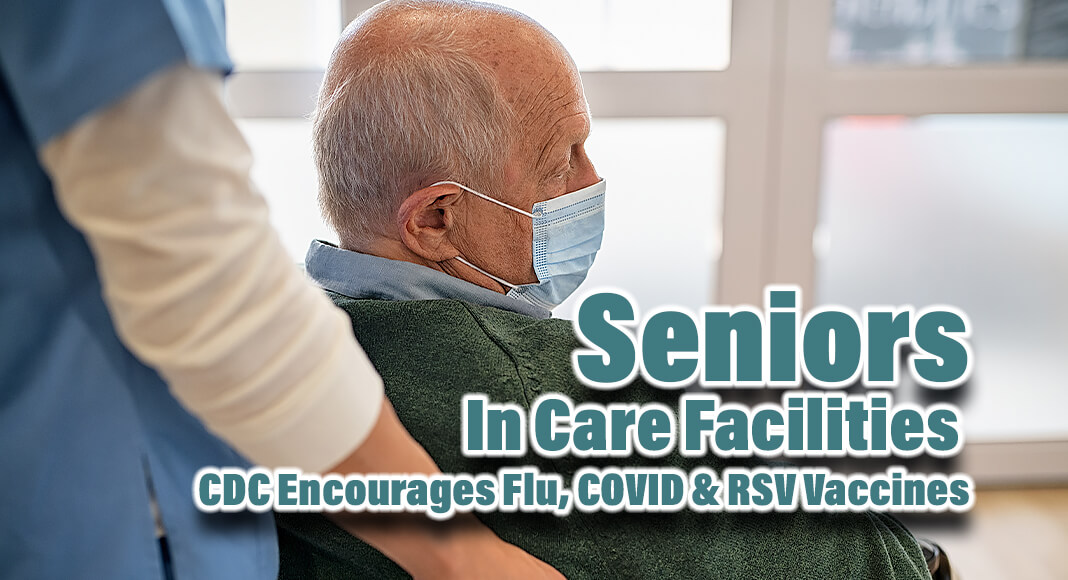
New research in this week’s MMWR finds that most nursing home residents haven’t received an updated COVID-19 vaccine or the new RSV vaccine.
This year, for the first time, vaccines are available to protect older adults in the United States against all three fall/winter respiratory illnesses: flu, COVID-19 and RSV. Older Americans who are not vaccinated are at greater risk of serious illness.
Leading up to this virus season, and throughout the fall, CDC has worked with other federal agencies, state and local health departments, and health care partners to address vaccine access issues and encourage uptake. CDC was a key participant in the Long Term Care Facility Summit on October 18, 2023, which was co-hosted by the Secretary of Health and Human Services and the Director of the Office of Pandemic Preparedness and Response Policy. In addition to other activities, CDC regularly:

- Monitors all reports and data about the safety and effectiveness of these vaccines.
- Convenes bi-weekly calls with long-term care partners to address challenges/develop solutions.
- Works to improveequitable access to vaccines by connecting manufacturers with long-term care pharmacies to prioritize vaccine distribution for the Bridge Access Program.
- Distributes a weekly newsletter with respiratory virus resources and information specific to long-term care providers. (e.g., toolkits, FAQs, clinical resources, vaccine confidence resources)
- Supports the education of partners through participation in speaking engagements and webinars.
- Engages with the Centers for Medicare and Medicaid Services (CMS) toidentify solutions to address feedback from long-term care partners around billing and reimbursement challenges which have been a barrier to vaccine administration. As a result, CMS issued a letter to plans and pharmacy benefit managers to outline the concerns and provide guidance on ways to improve practices.
Health care providers can continue to do their part by offering recommended vaccinations to residents. Nursing homes are encouraged to collaborate with state, local and federal public health, and long-term care pharmacy partners to address barriers contributing to low vaccination coverage. Vaccination is a key way to prevent severe disease, hospitalization, and death from flu, COVID-19 and RSV.
Information source: CDC