



Preventing Infections in Cancer Patients

Call your doctor right away if you get a fever or feel sick during your chemotherapy treatment.

Translate to Spanish or other 102 languages!

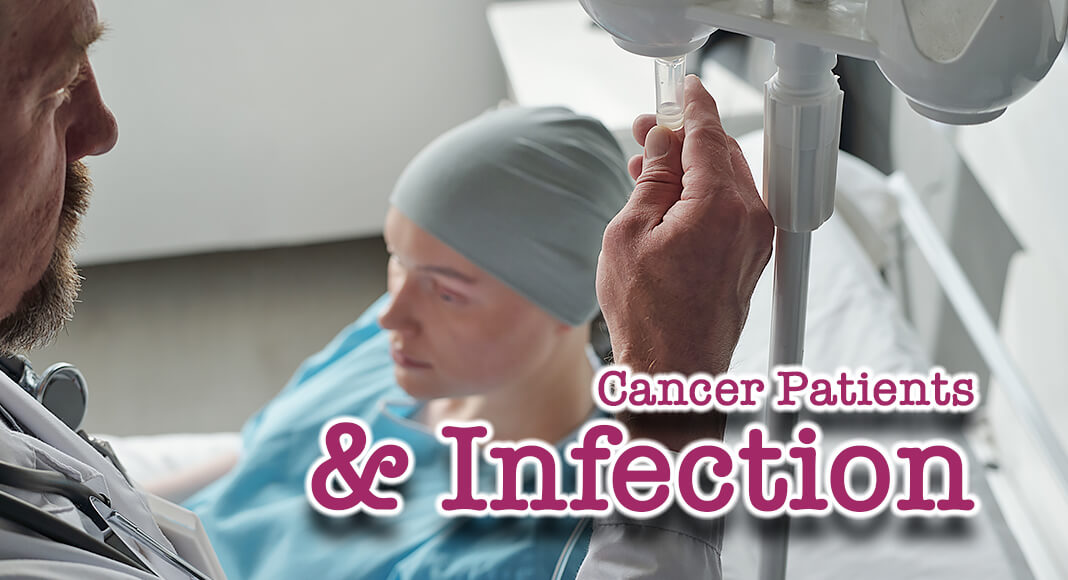
An infection can lead to sepsis, the body’s extreme response to an infection. It is a life-threatening medical emergency. Image for illustration purposes
- Advertisement -

People with cancer who are treated with chemotherapy are more likely to get infections. Your immune system helps your body protect itself from getting an infection. Cancer and chemotherapy can damage this system by reducing the number of infection-fighting white blood cells. This condition is called neutropenia.

An infection can lead to sepsis, the body’s extreme response to an infection. It is a life-threatening medical emergency.

Find out from your doctor when your white blood cell count is likely to be lowest, since this is when you’re most at risk for infection. This usually occurs between 7 and 12 days after you finish each chemotherapy dose, and may last as long as one week.

- Advertisement -

Information Source: CDC

- Advertisement -

- Advertisement -

- Advertisement -

More Articles

Why Strength Training Is Your Best Defense Against Osteoporosis

Reports show women are at higher risk for developing the bone weakening condition as they get older.

FDA Approves Once-Weekly Generic Hormone Therapy Patch for Women

The U.S. Food and Drug Administration approved the first generic of Climara Pro (estradiol and levonorgestrel transdermal system, 0.045 mg per day/0.015 mg), a transdermal hormone therapy patch for women with an intact uterus applied once a week. The approval aligns with FDA’s Public Health Pillar: Increasing Access to Affordable Medicines & Medical Products.

STHS Dedicating Latest “South Texas Healthy Living” Episode to Osteoporosis, Oct. 25th

Strong, healthy bones are essential to overall well-being. They support mobility, help prevent painful fractures and play a vital role in maintaining independence as we age.

Simple Tips to Make Desk Jobs Pain-Free

Is your desk job a pain in the neck or back? If you’re achy at the end of the workday, poor ergonomics could be to blame.
- Advertisement -